







Introduction:Typica, as one of the most original and representative varieties of Arabica coffee, is not only the ancestor of many other cultivars but also holds a pivotal position in global coffee culture. This article delves into the botanical characteristics of Typica, its historical spread, flavor variations across different regions, and offers practical roasting and pour over brewing parameters to help coffee enthusiasts fully appreciate the unique charm of this classic variety.
Typica is the oldest and most iconic original variety within Arabica coffee, regarded as the foundational prototype of all Arabica cultivars. Its history can be traced back to the birthplace of coffee—southwestern Ethiopia—and from there it spread via Yemen, India, Java, and the Netherlands, eventually reaching South America and then the rest of the world. Typica coffee trees have distinctive physical traits, including bronze-colored top leaves, a tall and slender tree structure, and long, slender beans that taper at both ends. In terms of flavor, Typica typically exhibits bright citrus acidity and a clean sweetness, but it is highly susceptible to diseases, has very low yield, and requires high maintenance costs.
From a botanical classification perspective, coffee is mainly divided into three main species: Arabica, Robusta, and Liberica. Among them, Arabica is the dominant variety in global commercial cultivation, accounting for approximately 70–80% of total production, and is widely praised for its rich flavors, bright acidity, prominent sweetness, and relatively low bitterness. Typica is universally recognized as the most original variety of Arabica, embodying the classic characteristics of the species in both appearance and flavor. It's worth noting that while Typica belongs to Arabica, not all Arabicas are Typica—the two should not be confused.
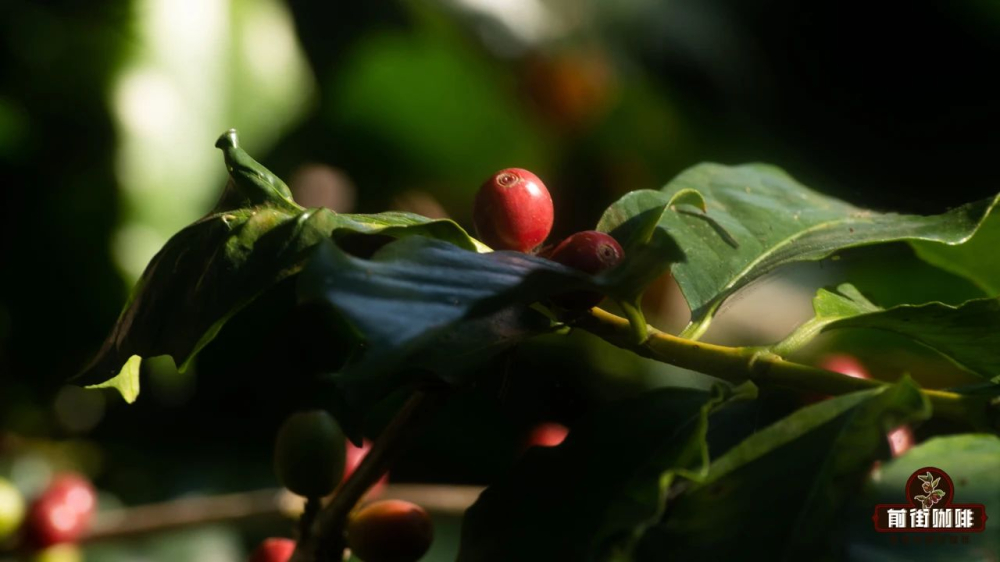
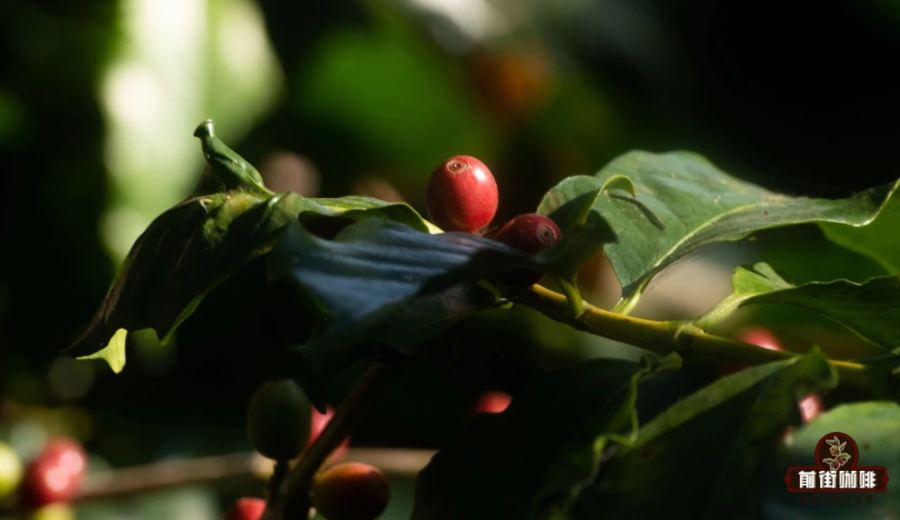
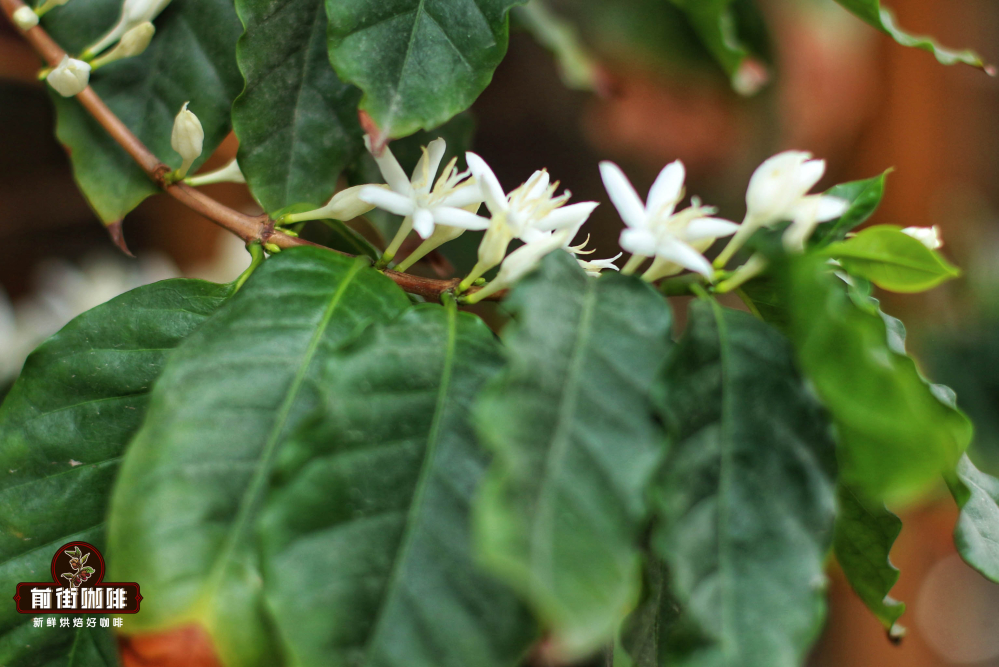
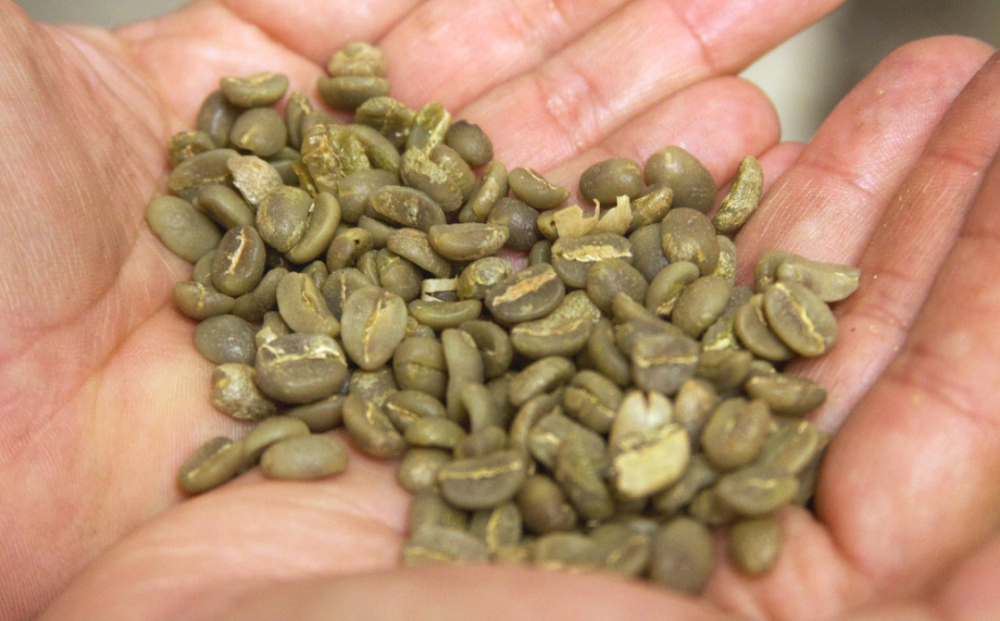
The most easily recognizable feature of the Typica coffee tree is the reddish-bronze color of its young top leaves, which is why it is also referred to as "red-topped coffee." Its trunk is slender, branches are thin and slightly outward-extending, with side branches typically forming an angle of 50 to 70 degrees with the main stem. The plant can grow up to 5 meters tall, presenting a challenge for harvesting. Additionally, Typica coffee beans are generally larger, long, and pointed at both ends, resembling the shape of an egg. In terms of flavor, Typica often presents a refreshing citrus acidity with a distinct sweetness in the aftertaste, making it one of the representatives of elegant and layered flavors. However, its greatest weakness is its extremely poor disease resistance—it is especially vulnerable to common diseases such as leaf rust and berry disease, and once infected, plants often wither or die, severely impacting yield and economic returns.
The cultivation and maintenance of Typica are costly, not only because of its low yield but also due to its high requirements for environmental conditions, plant management, harvest ripeness, and post-harvest processing. Only when each of these aspects is precisely controlled can coffee beans with pure flavor and elegant taste be produced. As a result, many producers have gradually shifted to planting more disease-resistant and higher-yield varieties, such as hybrid types like Catimor. However, for enthusiasts who pursue the essence of coffee and classic flavors, Typica still holds an irreplaceable status.
The global spread of Typica can be traced back to the 15th and 16th centuries, when wild Arabica coffee trees collected from southern Ethiopia were introduced to Yemen. By around the year 1700, some seeds were brought to the Malabar Coast of India and the western Java region of Indonesia—these coffee trees were then named Typica. In 1760, seeds were transported from Java to the botanical gardens in the Netherlands, and in 1722 they were taken to the Suriname colony in South America. They later arrived in northern Brazil in 1727, marking the beginning of their expansion across the Americas.
By the late 19th century, Typica had been widely planted in Central America, South America, and the Caribbean, including on several islands such as Jamaica. The variety then spread back from Central America to Africa and Asia, eventually covering the entire American continent. It’s important to note that when Typica is introduced to different geographic and climatic environments, it undergoes subtle genetic adjustments based on local conditions, leading to nuanced flavor differences. Nonetheless, its overall profile remains known for its clean and clear taste—a key reason why it is favored by coffee professionals.
Currently, Typica is primarily grown in island-type climate regions, such as Papua New Guinea, Jamaica, and Hawaii’s Kona, as well as in limited quantities in China’s Yunnan and Ethiopia. In actual tasting experiences, examples such as Papua New Guinea’s “Bird of Paradise,” Jamaica’s “Blue Mountain No. 1,” Tanzania’s “Kilimanjaro,” and Yunnan’s Lincang region’s sun-dried Typica are all quite representative.
Among them, Jamaica Blue Mountain No. 1 is regarded as the benchmark for Typica flavor. After medium to dark roasting, this variety showcases intense black chocolate aroma, accompanied by gentle citrus acidity and a distinct caramel sweetness, with a balanced acidity-sweetness-bitterness profile and a solid, rich mouthfeel. Similarly hailing from an island-type climate, Papua New Guinea’s “Bird of Paradise,” though also medium to dark roasted, leans more toward nutty and toasted bread aromas, offering a refreshing and comfortable overall experience, earning it the nickname “Little Blue Mountain.” As for the Typica grown in Yunnan’s Lincang region, thanks to the altitude of 1300 meters and the inherent delicate characteristics of Typica, even compared to the commonly grown Catimor in the area, it delivers a purer taste and more distinct layers.
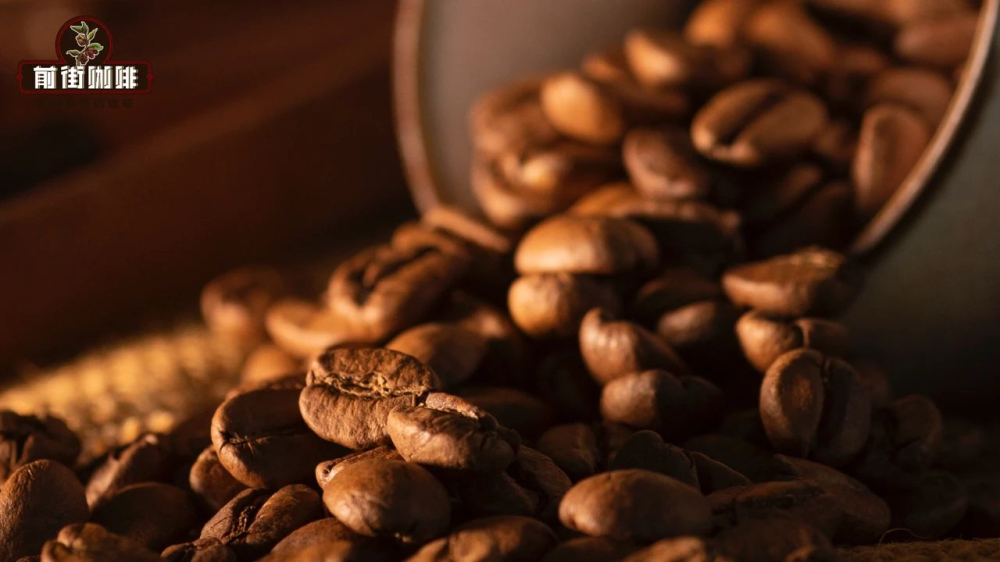
In terms of roasting and pour over brewing, it is recommended to use a medium roast level to preserve Typica’s elegant acidity and aroma. Taking Yunnan-grown beans as an example, producers often opt for medium roast and present its nuanced and balanced flavors through pour over. Pour over is the most suitable brewing method for general coffee enthusiasts to practice at home. It is recommended to use a V60 dripper, paired with medium-fine grind size and water temperature of around 90°C, with a water-to-coffee ratio set at 1:15. A three-stage pouring method is advised: begin with a 30-second bloom using twice the weight of the coffee in water, followed by pouring in a small circular motion from the center outward until reaching 125 grams for the first pour. Once the coffee bed descends to about half the height of the dripper, pour again up to 225 grams to complete extraction, with a total brew time of approximately 2 minutes.
For beans roasted to different levels, adjust the water temperature and grind size accordingly. For instance, medium-dark roasted Mandheling or Brazilian beans can use water at 87–88°C with a medium-coarse grind; whereas lightly roasted high-altitude beans, such as Yirgacheffe or Geisha, benefit from high temperatures of 91–93°C and a medium-fine grind to fully bring out their aroma. For Yunnan Typica, using moderate water temperature and grind size effectively balances acidity and body, highlighting plum-like acidity, nutty aromas, brown sugar sweetness, and black tea-like aftertaste—making it particularly suitable for coffee lovers who enjoy distinct layers and a refreshing cup.
The above content is compiled by CoffeeHunters, a coffee news website.


