







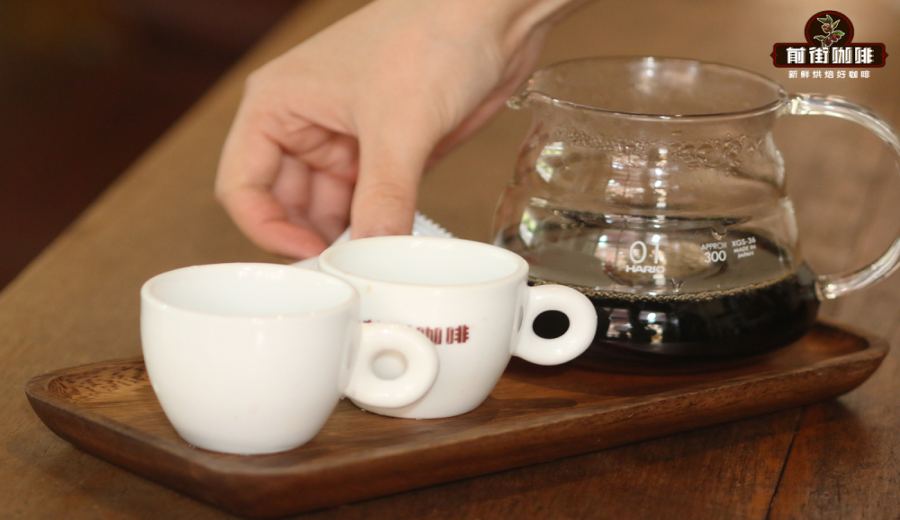
Introduction:Golden Mandheling is an iconic specialty coffee from Indonesia’s Sumatra region, highly regarded for its intense aroma, rich body, and well-balanced sweetness. This article delves into its regional background, varietal characteristics, wet-hulled processing method, and reveals how Pawani Company achieves high-quality beans through rigorous selection. It also provides practical pour over parameters and steps to help you fully showcase the layers and cleanliness of Golden Mandheling.
Mandheling coffee from Sumatra has long been known for its bold, full-bodied profile, low acidity, and unique herbal and earthy notes, making it a favorite among many black coffee enthusiasts. Among them, Golden Mandheling stands out as the cream of the crop in this region, celebrated in the specialty coffee market for its outstanding aromatic expression, balanced acidity-sweetness-bitterness, and delicate aftertaste.
Golden Mandheling is not merely a geographical name but a premium brand launched by Indonesian green bean trading company Pawani, representing the top-tier beans carefully selected from the region. This coffee is primarily marketed for its “high quality and low defect rate,” with stringent controls applied throughout the processes of planting, harvesting, processing, and exporting. In particular, its three rounds of hand-picking ensure that every coffee bean meets exceptionally high standards.
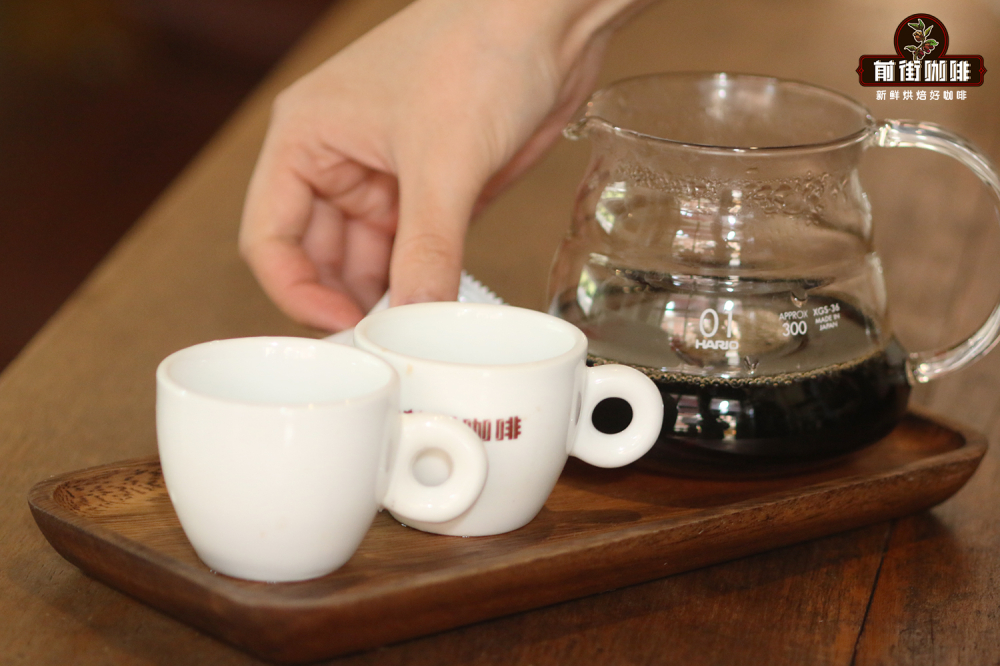
To deeply understand Golden Mandheling, we must first explore Sumatra’s coffee ecosystem. The region’s primary production area is the Gayo Highlands in Aceh Province, especially the high-altitude slopes around the town of Takegon and Lake Tawar, with elevations averaging between 1100 and 1600 meters—ideal for cultivating high-quality Arabica coffee. The cool climate and significant day-night temperature variation here help coffee cherries ripen slowly, accumulating richer flavor compounds.
Currently, Golden Mandheling mainly uses the locally adaptable Ateng variety, which is actually the internationally common Catimor, but is referred to as Ateng in Indonesia. Although this variety is not a traditional Typica or Bourbon, it exhibits unique aromas and a rich body under Aceh’s soil and climate conditions, making it particularly suitable for producing dark or medium-dark roast specialty coffee.
What makes Golden Mandheling even more distinctive is its unique “wet-hulled processing method.” This technique, developed in Indonesia due to the high-humidity environment, accelerates the drying process of coffee beans while preserving a full body and low acidity. Notably, after wet hulling, Pawani performs an additional three rounds of manual sorting to remove defective beans, ensuring uniform bean size and intact appearance in the final product.
In the market, many consumers easily confuse Golden Mandheling with regular Mandheling G1, but there are significant differences between the two. First, Golden Mandheling is a registered brand of Pawani, and only specific batches produced by this company can be called Golden Mandheling. Second, its packaging uses 30-kilogram jute sacks, distinctly different from the common 60-kilogram Mandheling packaging, and each sack comes with an official certification, which serves as an important basis for authenticity verification.
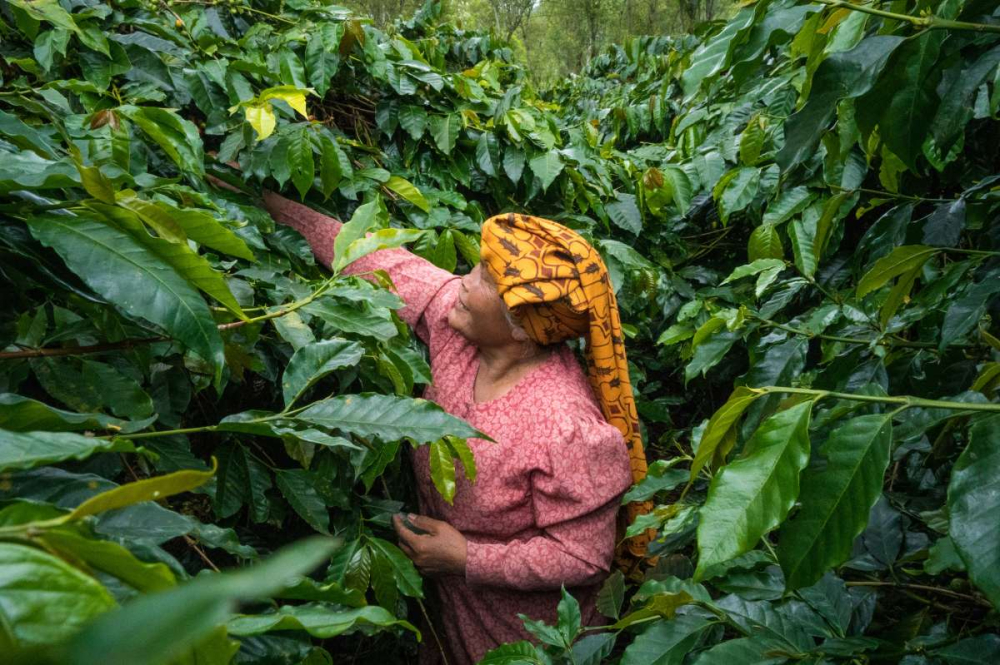
If you wish to brew Golden Mandheling at home using the pour over method, the following professional-recommended parameters and process can fully highlight its rich, clean, and layered characteristics. It is recommended to use a KONO filter, whose design is similar to a cloth filter, bringing out a fuller body and more concentrated aroma.
It is suggested to use beans roasted to a medium-dark level, with a grind size set to approximately 70% passing through a standard #20 sieve, considered a medium-coarse grind. The powder-to-water ratio should be controlled at 1:15; for example, using 15 grams of coffee powder, you would pour 225 milliliters of water. The water temperature is recommended to be set at 87°C, which helps bring out sweetness and a rich flavor while avoiding over-extraction that could lead to bitterness.
The specific brewing steps are as follows: First, wet the filter paper and preheat the filter and server. Spread the coffee powder evenly in the filter, gently leveling the powder bed—do not shake vigorously to avoid affecting the bloom. In the first stage, pour 30 grams of water, slowly making small circles in the center of the coffee bed, with a 30-second bloom time during which the coffee bed will gradually expand into a “hamburger shape.”
In the second stage, pour 95 grams of water in a circular motion from the center outward, keeping the water stream close to the surface of the coffee bed and moving slowly to avoid excessive agitation that may impact flow rate. In the final stage, pour another 100 grams of water. Once all the coffee liquor has completely dripped through, remove the filter. The total extraction time should be controlled around 2 minutes to achieve a Golden Mandheling pour over coffee with balanced mouthfeel and clear flavors.
The above content is compiled by CoffeeHunters, a coffee news website.


