







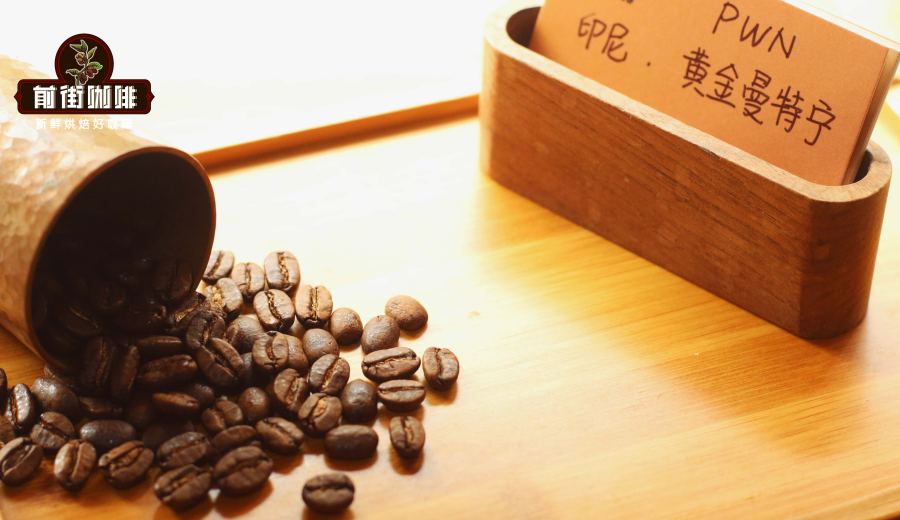
Introduction:Golden Mandheling is often misunderstood as a bitter and intense dark roast coffee, but in fact, its original flavor profile is full of potential. This article delves into the sweet-and-acidic balance of this Indonesian classic bean, the strict selection standards of the PWN company, and how to bring out its rich, delicate notes of chocolate, spices, and lingering sweetness through the right roast curve and pour over technique—perfect for coffee enthusiasts who want to explore the true essence of Mandheling flavors.
When it comes to Golden Mandheling, many people immediately think of a bold, low-acid cup with deep chocolate and woody notes. But this impression largely stems from the medium-to-dark or even dark roasting methods commonly seen in the market. In reality, Golden Mandheling green beans inherently possess relatively pronounced fruity acidity potential, and the final flavor profile is closely related to the roast level.
From the perspective of green beans, Golden Mandheling is an Arabica variety from Indonesia’s Sumatra region. Processed using the region’s unique wet-hulling method, it develops a distinctive full-bodied texture. However, due to factors such as short processing time and moisture control, it tends to have a relatively higher defect rate. To ensure quality, the PWN (Pwani) company selects only beans of size 18 or above with good ripeness, and manually sorts them at least three times, keeping the defect rate extremely low (no more than 3 defects in a 300g sample), ultimately achieving the highest-grade G1 Golden Mandheling.
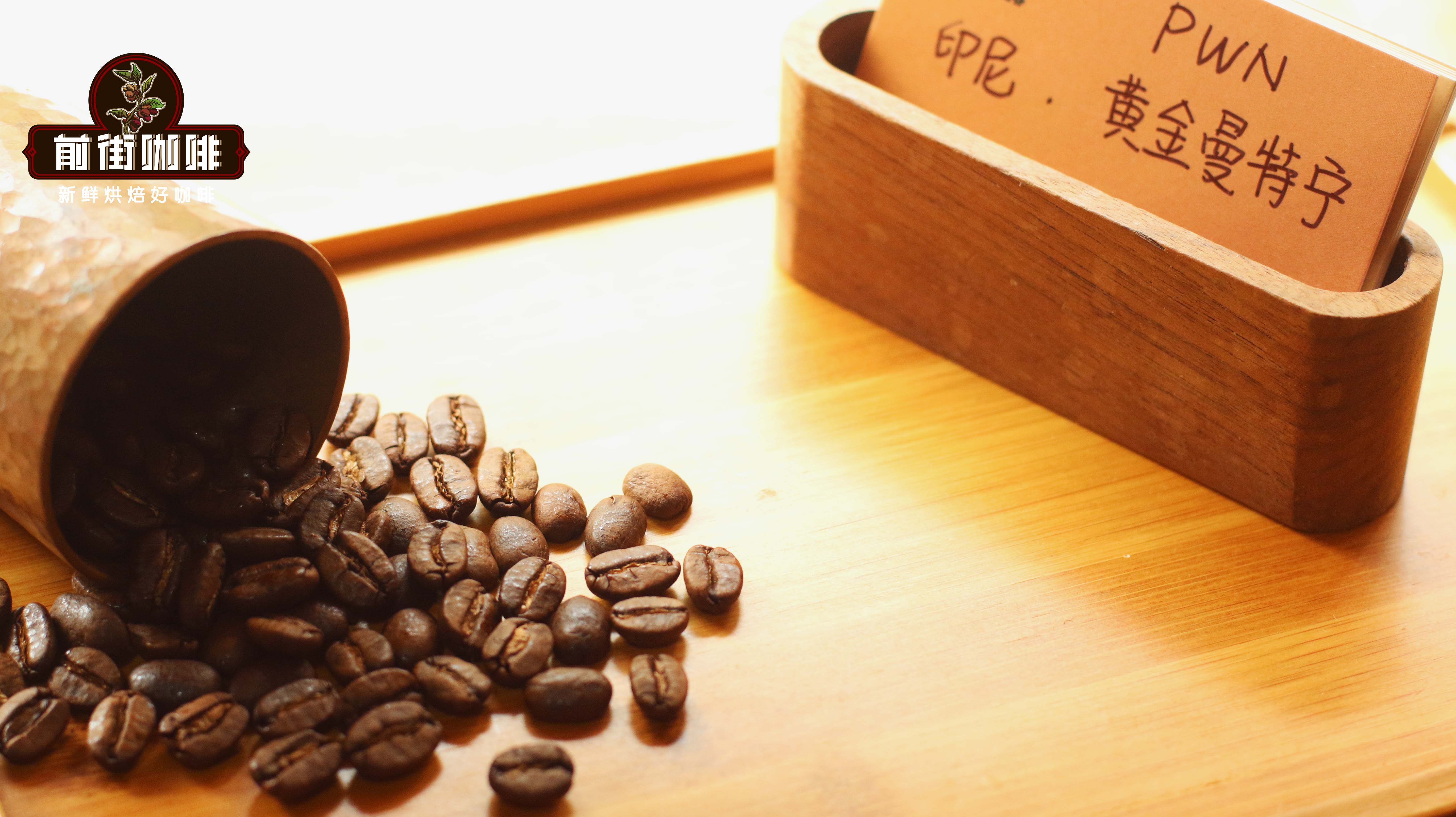
It’s worth noting that Golden Mandheling is called “Golden” not only because the green beans exhibit a beautiful golden hue, but also because it represents a high-value, premium-quality specialty-grade Mandheling in the market. Compared to the common Mandheling found on the market, which usually undergoes only multiple mechanical screenings, PWN’s Golden Mandheling shows clear advantages in flavor purity, consistency, and defect control, making it a classic choice favored by many coffee aficionados.
In terms of roasting strategy, since the Sumatra growing region is not at high altitude, the coffee beans are of relatively light density and looser bean structure. As a result, precise control over heat application during roasting is more critical. If the temperature is too high or the ramp-up too rapid, it can easily lead to excessive scorching on the bean surface while the interior hasn’t fully transformed in flavor, resulting in smoky, burnt, bitter, or even woody off-notes.
A generally recommended roast profile can refer to the following practical parameters: using a charge weight of 480g as an example, the initial drum temperature is set to 200°C with the airflow at level 3. About 1 minute in, reduce the heat to 160°C, keeping the airflow unchanged. At around 5 minutes and 40 seconds, when the bean surface turns yellow and grassy notes fade—this is when the temperature is about 148°C, indicating the end of the drying phase—the heat is then adjusted to 140°C and the airflow slightly increased to level 4. By the 9th minute and 40 seconds, as the bean surface shows obvious wrinkles and dark spots, transitioning from the aroma of toasted bread to that of coffee, these are the signs just before first crack. When first crack begins at 9 minutes and 54 seconds, reduce the heat to 60°C and open the airflow to level 5. The roast is typically dropped at 204.5°C, usually falling between the end of first crack and the beginning of second crack, achieving the best balance of body and complexity.
This roasting approach fully highlights the herbal, cocoa, spice, and dark chocolate aromatic characteristics of Golden Mandheling, while maintaining good cleanliness and a pronounced lingering sweetness—ideal for coffee lovers who enjoy a bold taste but without excessive intensity.
As for pour over brewing, since Golden Mandheling is mostly medium-to-dark roasted, it is recommended to use a coarser grind size (similar to coarse sugar, with about 70% passing through a standard #20 sieve), and to control the water temperature around 88°C. This effectively avoids over-extraction that could lead to bitterness and off-flavors. A filter cone with immersion characteristics, such as the KONO filter, is recommended—it helps achieve even extraction and extends the contact time between water and coffee grounds, enhancing the roundness of the mouthfeel.
In actual practice, you can use a 1:15 coffee-to-water ratio. Start with a 30g bloom for 30 seconds, then proceed to the second pour by circling small amounts of water up to 125g. Once the water level drops by half, pour again in circles up to 225g. The total brew time should be controlled around 2 minutes and 10 seconds. These parameters help balance the sweet and acidic notes, bring out the rich foundational flavors, and preserve the sweet and spicy aftertaste.
Overall, Golden Mandheling is not just a “bitter and strong” coffee. Under the right roasting and brewing conditions, it can showcase a rich array of layers: from the opening notes of nuts and spices, to the mid-palate of herbs and dark chocolate, and finally the lingering finish of licorice and caramel. Every sip reveals the unique charm of Sumatran coffee. With the right green bean source, roast finesse, and pour over details, you can taste the true potential of this classic bean.
The above content is compiled by CoffeeHunters, a coffee news website.


