







Introduction:Tamping may seem simple, but it is a key step that affects the extraction uniformity of espresso. This article delves into the principles of tamping, compares the differences between tamped and untamped shots through experiments, and details the key points of tamping pressure, angle, and stance. It also provides practical tips for solving uneven tamping issues. Additionally, it shares professional-level espresso extraction parameters and the flavor profiles of blend beans to help coffee enthusiasts improve their extraction quality.
Making an ideal shot of espresso often overlooks the tamping step, yet it has a direct impact on extraction uniformity. Starting with experiments, this article shows how tamping alters flow rate and flavor, and explains the roles of distribution and tamping. The focus is on mastering tamping pressure, angle, and stance, as well as addressing common issues like uneven tamping. Professional espresso extraction parameters and blend bean information are also provided at the end.
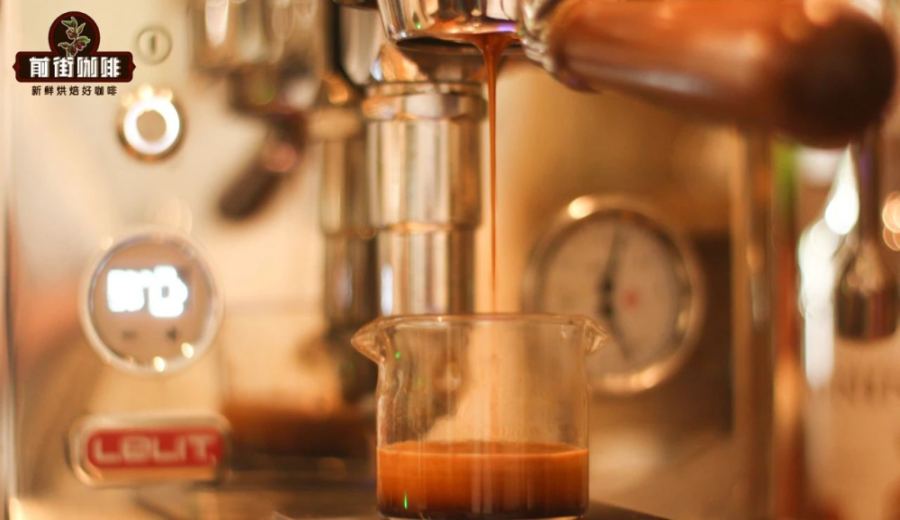
First, we conducted a set of comparative experiments: one group was properly tamped, while the other group was completely untamped, with all other conditions being identical. Using 20 grams of coffee grounds, the target was to extract 40 grams of espresso. The results showed that the tamped group had a smooth extraction process with a stable flow rate, completing in 27 seconds; whereas the untamped group initially sprayed coffee, with an overly fast and unstable flow rate, finishing 8 seconds faster, and the taste was noticeably watery and thin.
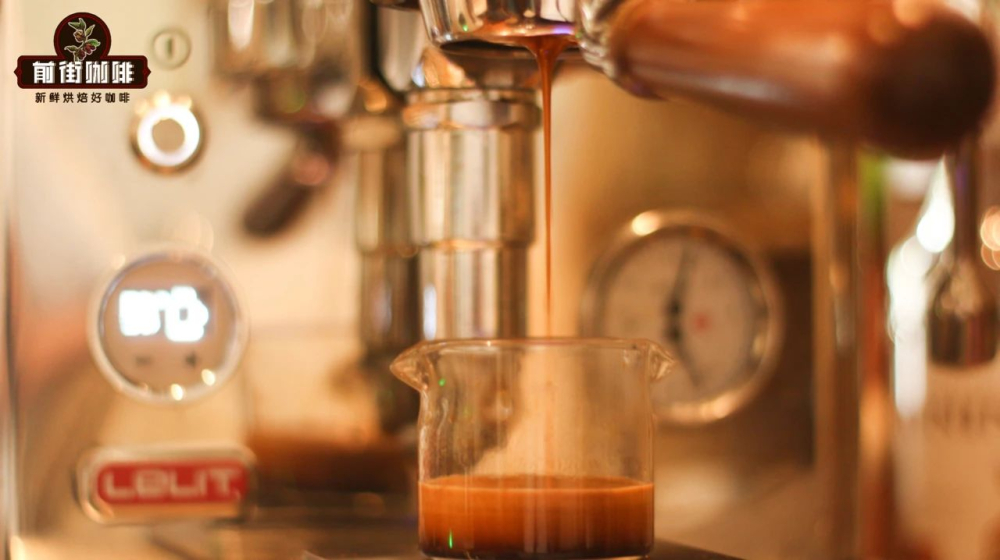
This experiment clearly demonstrates that tamping is crucial for espresso extraction. Only by compacting and leveling the coffee grounds can you ensure the espresso machine extracts fully. Otherwise, the extraction speed will increase, the coffee grounds won’t fully release their flavors, and the final taste will be compromised. Therefore, proper distribution and tamping steps are indispensable when making espresso.
The purpose of distribution is to evenly spread the coffee grounds in the portafilter basket. At this stage, the coffee grounds are still loose, with varying sizes of gaps between particles. If you skip tamping and go straight to extraction, under the machine’s 9-bar high pressure, the water will quickly pass through the coffee bed, automatically seeking the path of least resistance, leading to channeling—some areas become over-extracted while others are under-extracted.
The role of tamping is to compress the coffee grounds, reduce the gaps between particles, and increase the resistance against the water flow, allowing the water to pass uniformly through the coffee layer. So, how much pressure should be used when tamping? Many beginners use brute force, thinking the harder the better, but actually, with the correct method and angle, moderate and skillful force can achieve the desired effect.
Professional baristas, when tamping, first place the portafilter level, grip the tamper handle at its end with their palm, keep their thumb facing downward, and use their thumb and index finger to hold the base of the tamper. When tamping, the elbow joint, forearm, tamper, and portafilter should remain in a straight vertical line perpendicular to the horizontal plane, applying force directly downward to compress the coffee grounds in one firm motion.
The key point is: the tamper handle must remain level, and the tamper must apply force vertically downward. Many espresso machines’ handles and portafilters are not perfectly level, so you need to adjust the angle to ensure a perfect downward force. If the tamping direction is skewed, the coffee puck will be uneven—higher on one side and lower on the other—leading to uneven extraction.
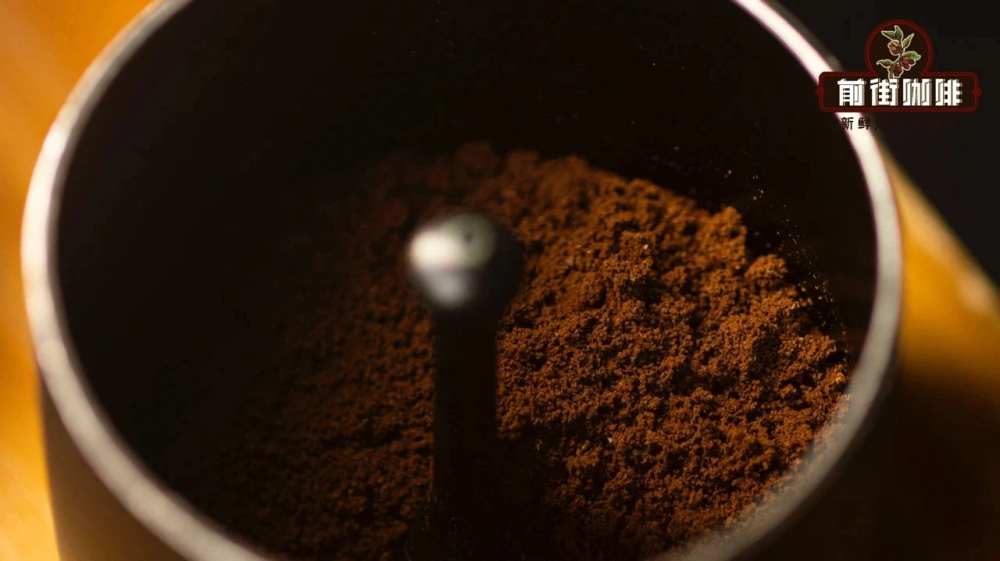
To address the common issue of uneven tamping, there are two practical solutions: one is to use three fingers to hold the tamper, which makes it easier to sense the overall downward direction and reduces mistakes; the other is to use a tamper with a built-in alignment guide or a leveling tool, which can effectively solve directional deviation issues with assistance.
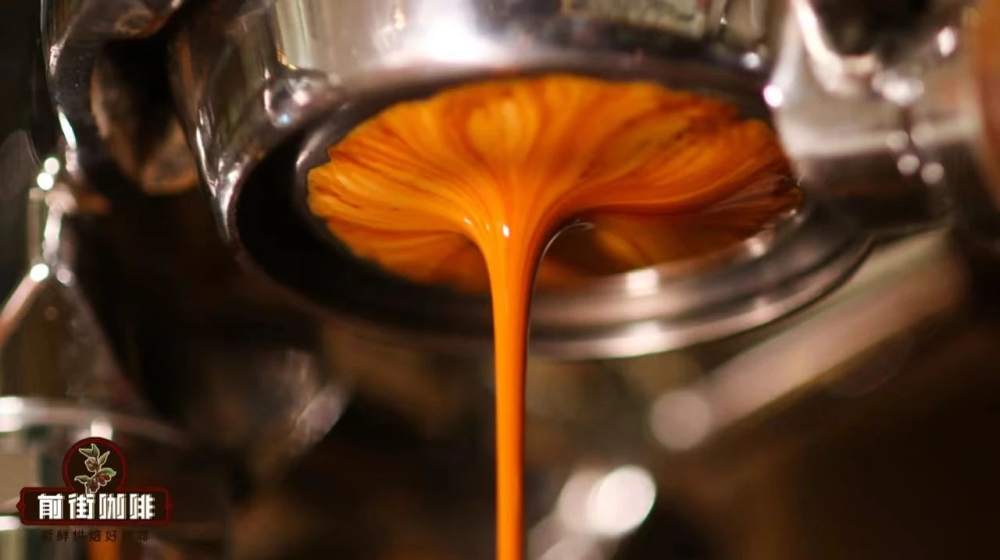
Below are professional espresso extraction parameter references: using an espresso machine with 9-bar pressure, control the water temperature between 90.5–96 degrees Celsius, the recommended extraction time is 20–30 seconds, and the coffee-to-water ratio is 1:1.7–1:2. For coffee dose, use 10 grams for a single shot and 20 grams for a double shot, yielding 20 milliliters for a single and 40 milliliters for a double.
As for coffee bean selection, an excellent espresso blend can significantly enhance the flavor of your shot. The recommended blend consists of Honduran Sherry and Yirgacheffe Natural Red Cherry, with flavor notes that include pronounced fruit acidity, subtle berry aroma, wine-like notes, rich chocolate tones, and a distinct sweet aftertaste. This blend works well for both espresso and pour over. When used for espresso, it showcases a fermented wine aroma, with citrus and berry acidity on the palate, accompanied by whisky-like notes, and a finish of deep dark chocolate.
The above content is compiled by CoffeeHunters, a coffee news website.


