







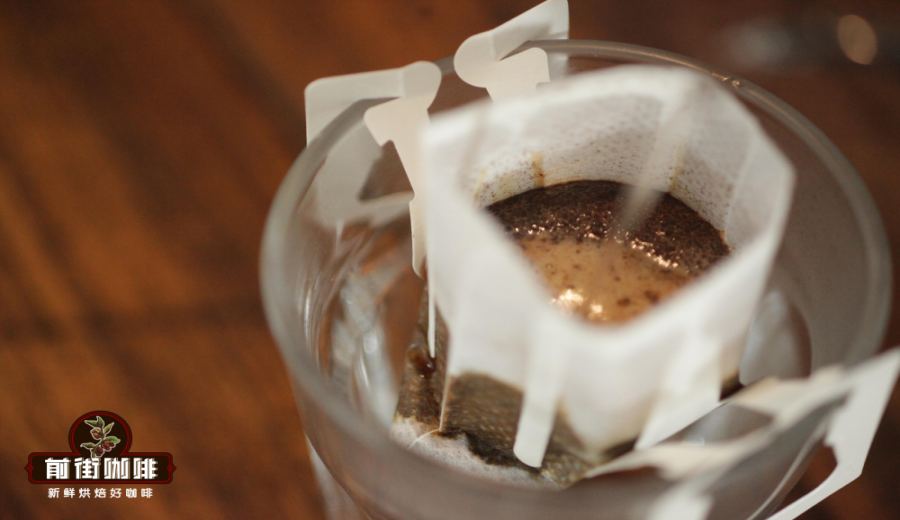
Introduction:Drip bags are a convenient pour over option that has gained widespread popularity in recent years, but how exactly do they differ from instant coffee? Can you just drop them straight into a cup? And how many brews can you get out of one? This article will delve into the brewing principles, proper steps, and how to choose the right type of coffee beans based on your personal preferences, helping you enjoy this premium coffee—situated between instant and pour over—with greater expertise.
Drip bags are a type of drip-filtered coffee that combines convenience with the quality of hand brewing. They typically consist of freshly roasted whole beans ground into uniform particles, packed into non-woven filter bags equipped with two paper "ears" on either side. All you need is hot water and a cup to easily brew coffee with a flavor profile close to that of traditional pour over.
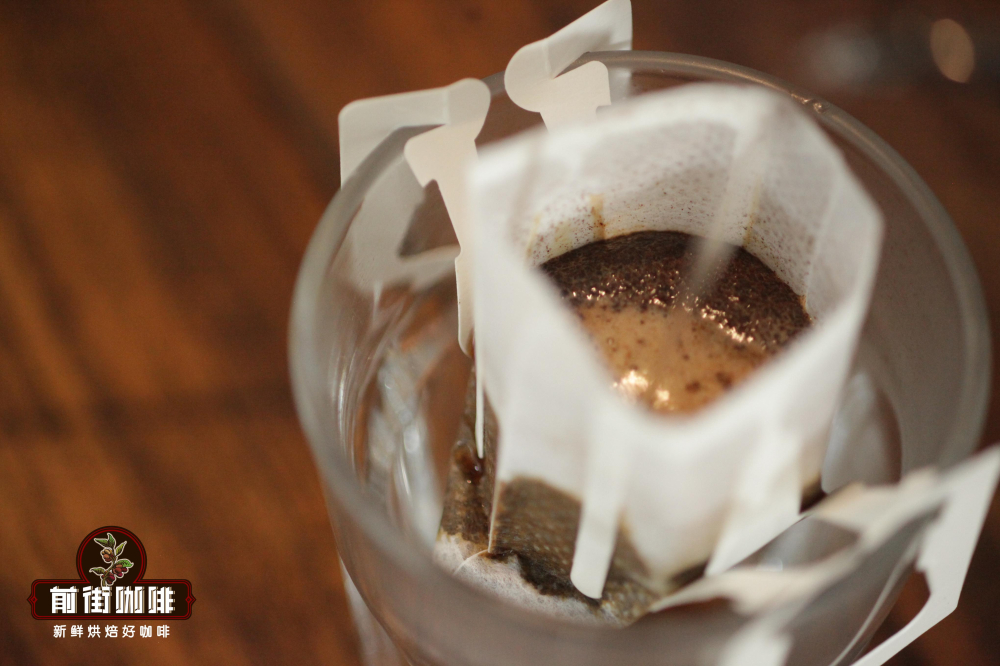
Compared to traditional instant coffee, the biggest difference with drip bags is that they fully preserve the natural flavors and aromas of the coffee beans. Instant coffee is usually made by extracting and concentrating roasted coffee beans under high temperature and pressure, then drying it into powder. This process often leads to significant loss of original aroma, and to compensate for the flavor, artificial flavorings are frequently added. As a result, the “coffee taste” of instant coffee mostly comes from blending rather than the true expression of the beans.
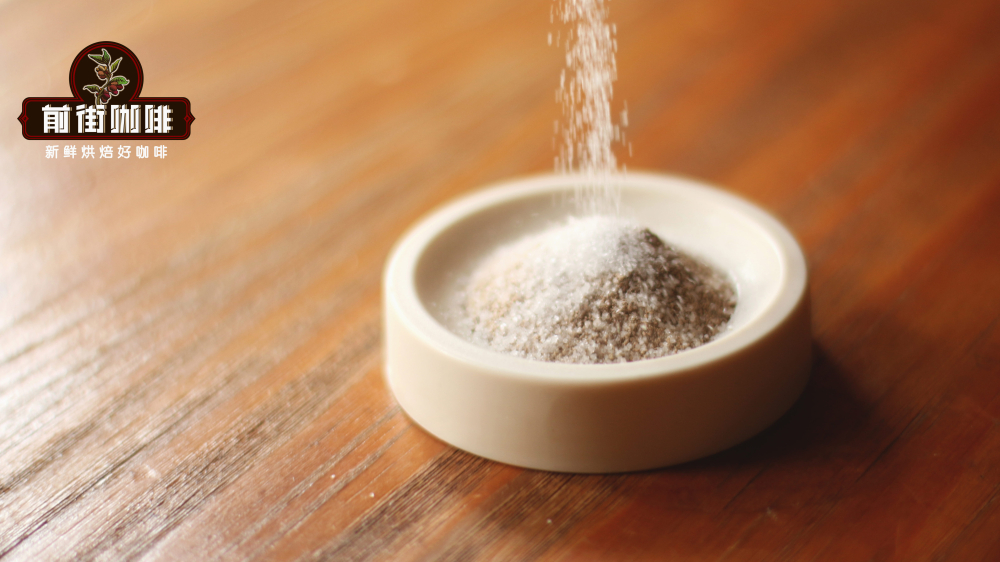
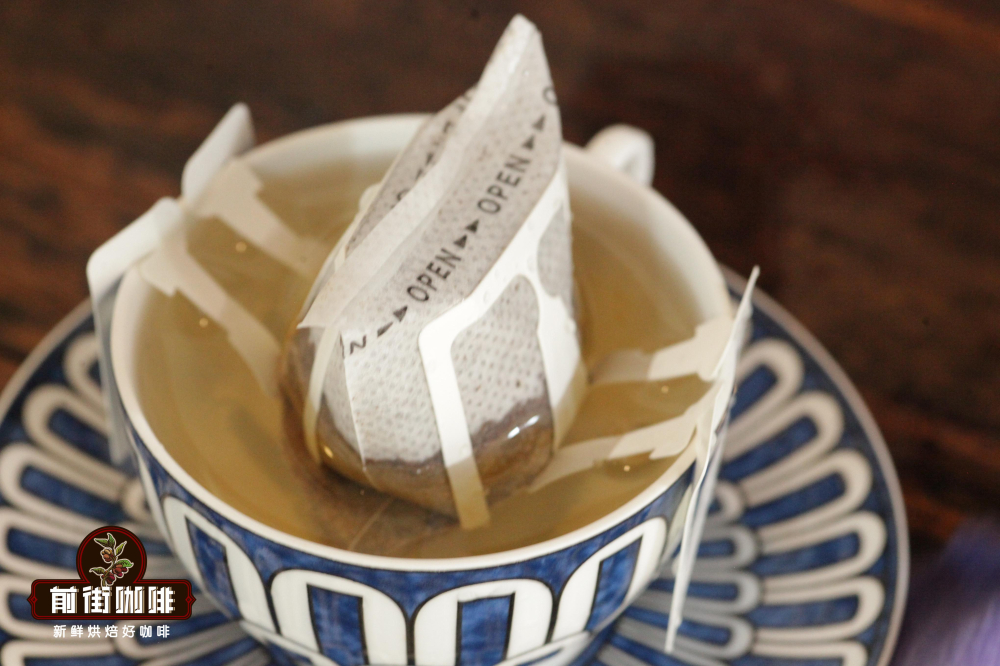
Importantly, the coffee particles inside drip bags are real coffee grounds, about 70% of which are insoluble lignin fibers—unlike tea bags, they cannot be simply steeped in hot water for extraction. If you put the entire drip bag filter directly into a cup and brew, not only will it fail to effectively release the flavors, but it may also lead to over-extraction due to prolonged contact time, resulting in unpleasant bitter and astringent off-notes. This is a common misuse.
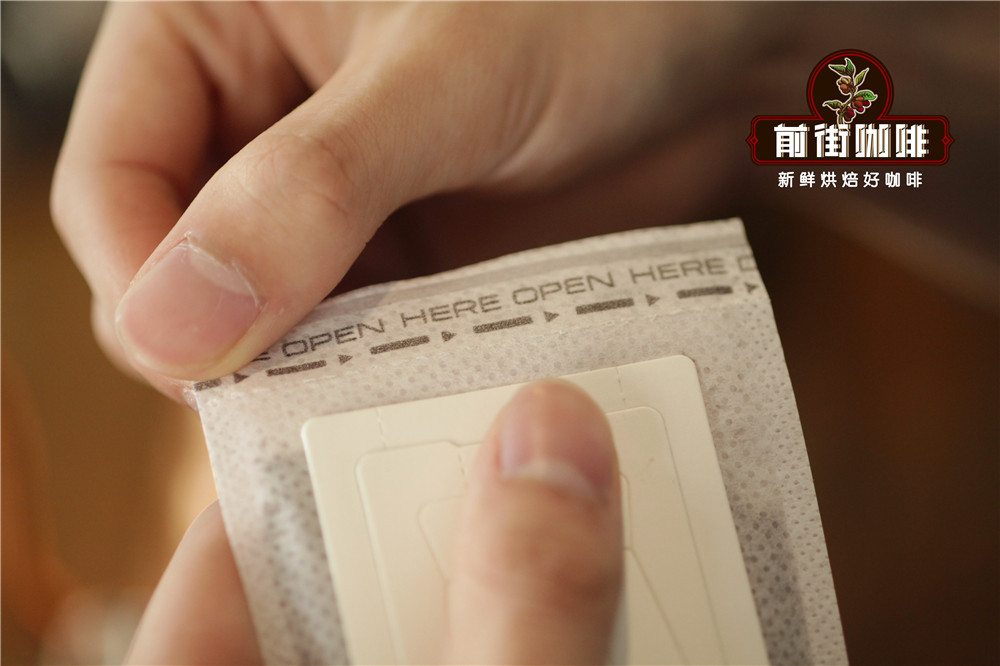
The correct brewing method recommends using a straight-sided cup with hot water at around 90°C. First, open the drip bag to reveal a filter pouch with two “ear”-shaped paper flaps, which usually have a dotted line for easy tearing. Tear along the dotted line, gently pull apart the two flaps, and hang them on the edge of the cup to secure the filter in place, ensuring it remains stable and does not touch the bottom of the cup to facilitate even filtration.
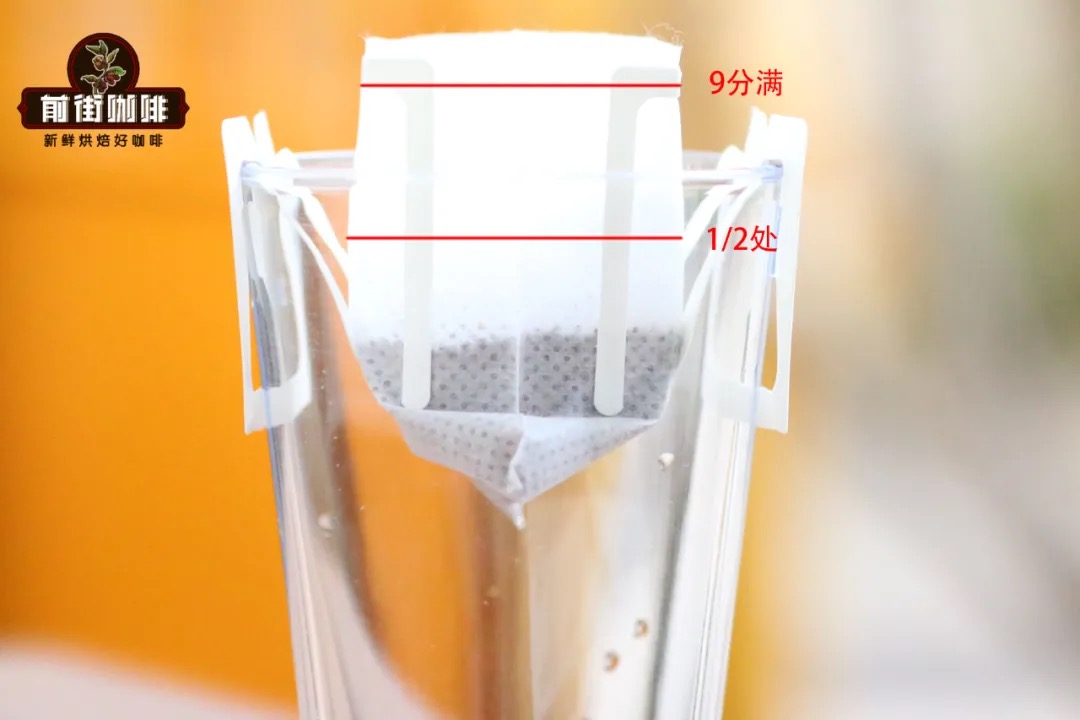
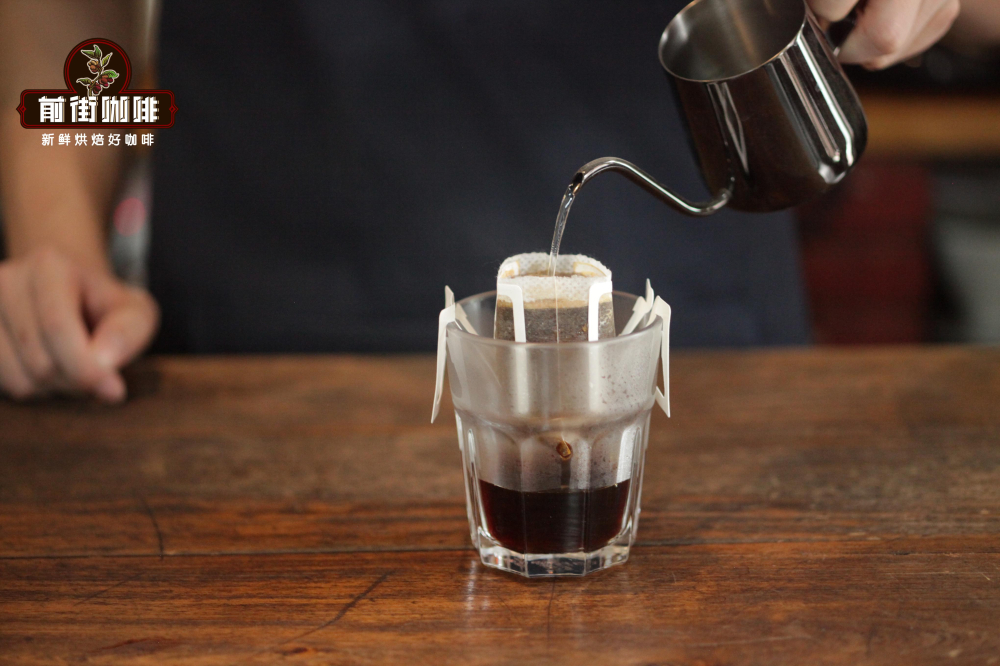
Then pour hot water in small amounts multiple times. It’s recommended that each pour does not exceed 90% of the filter bag’s capacity, focusing the water on the coffee grounds to allow for even diffusion and extraction. Taking a common 10g drip bag as an example, if you want a cup of coffee with balanced flavor and full body, a recommended coffee-to-water ratio is 1:13 to 1:15, which equals approximately 130–150 milliliters of total water. Too much water can dilute the flavor and affect the overall cup quality.
It’s important to note that drip bags are designed for single use. While technically you could try a second brew, after the first extraction most of the flavor compounds have already been released. A second brew not only tastes weak but may also release off-flavors from the lignin fibers or produce an unpleasant dry, bitter taste. It’s best to discard the bag after the first use to enjoy the optimal flavor window.
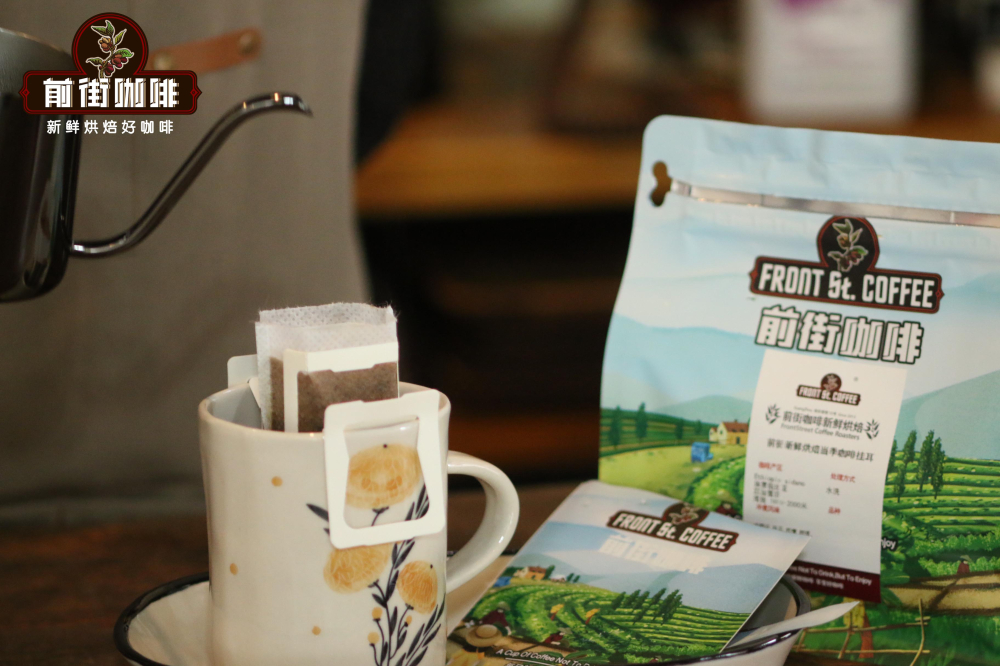
If you’d like to explore drip bags with different flavor profiles, you can make selections based on roast level and origin. For instance, if you prefer bright acidity and a refreshing taste, you might opt for a medium-light roasted drip bag from the Yirgacheffe region. If you lean toward a mellow, rich flavor with notes of nuts and chocolate, a medium-dark roasted Brazilian bean drip bag would be more suitable. By understanding the bean variety and roast style, you can more accurately find a drip bag that suits your taste.
The above content is compiled by CoffeeHunters, a coffee news website.


