







Introduction:In the hustle and bustle of daily life, instant coffee and drip bags are both common, convenient choices—but they differ significantly in flavor, production process, and brewing method. This article delves into the differences between the two, exploring everything from processing techniques to actual brewing practices, and offers key parameters and suggestions for pour-over drip bag brewing to help you find the coffee experience that suits you best.
Although both instant coffee and single-origin specialty drip bags fall under the category of convenience coffee, they offer markedly different flavor profiles and brewing experiences. This article will start with the production process, discussing how high-temperature treatment in instant coffee leads to significant aroma loss, and then guide you through how drip bags—via water flow control, temperature management, and equipment selection—can recreate flavors close to freshly ground coffee. Additionally, it will compare the extraction logic of drip bags and French press, and provide practical brewing ratios and flavor pairing suggestions.
The Production of Instant Coffee and the Key to Aroma Loss
The production process of instant coffee involves grinding roasted beans, extracting soluble substances from the coffee via heating, and then producing a powdered form through vacuum concentration and drying. Among these, the drying stage is the biggest challenge to aroma preservation, with spray drying being the most commonly used method. However, aromatic compounds in coffee are extremely sensitive to high temperatures. Even though some volatilization occurs during the extraction and concentration stages, high-temperature drying further destroys residual aromas—this is the main reason why instant coffee is often described as having “just a coffee taste, but lacking complexity.”
Observations have indicated that the chemical composition of instant coffee has diverged significantly from that of traditional coffee. While it’s suitable for quickly replenishing caffeine during travel or commuting, it is fundamentally different from specialty coffee culture, which emphasizes grind size, water temperature, and brewing technique. During the instant process, many health-beneficial compounds are also destroyed, greatly reducing its nutritional value.
The Convenience and Practical Advantages of Drip Bags
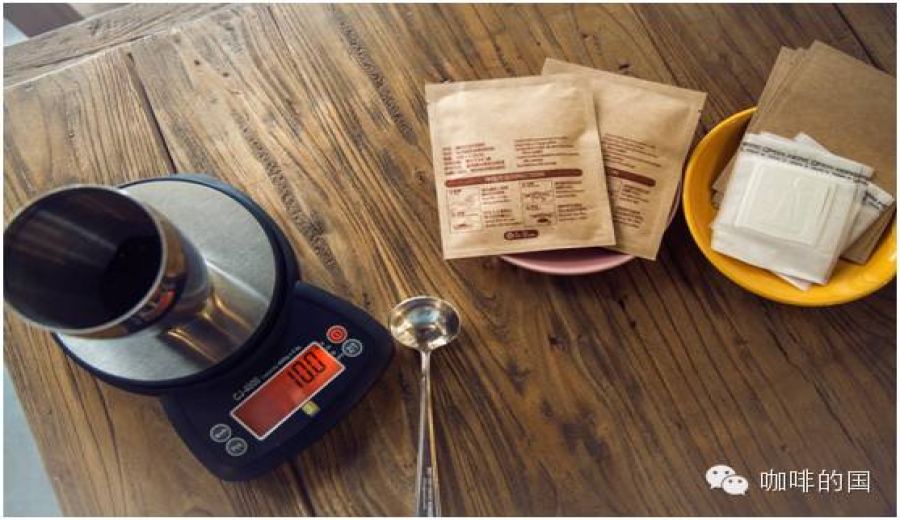
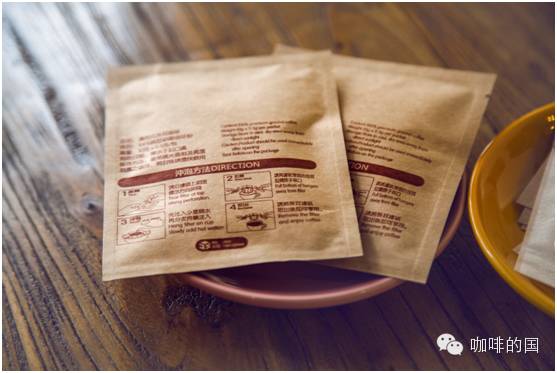
Many people assume drip bags can be used just like instant coffee—just pour water directly over them. But in reality, drip bags follow a brewing logic much closer to pour-over coffee. The drip bag design holds the coffee grounds within a filter pouch, which is suspended over the cup by two side handles; simply pour hot water to complete the extraction. This method is not only portable but also greatly simplifies the complexities of traditional pour-over equipment, making it ideal for use in offices, at home, or while traveling.
However, to brew a well-balanced drip bag coffee, controlling water flow and stabilizing water temperature remain crucial factors. Using an ordinary kettle with overly coarse or rapid water flow can cause the water to pass straight through the filter paper without adequate extraction, resulting in thin flavor and insufficient body. Therefore, it’s recommended to use a narrow-spout pour-over kettle to pour water in stages with a stable, controllable flow, helping achieve even extraction of the coffee’s diverse flavors—acidic, sweet, bitter, and umami.
Drip Bags vs. French Press: Similarities and Differences in Extraction Methods
Some consumers compare drip bags with French press. Though both use immersion-style extraction, drip bags more closely resemble drip brewing and can more effectively filter out fine coffee particles, reducing astringency and off-flavors. Moreover, the coffee grounds in drip bags are usually medium-fine grind, close to the standard for pour-over, so attention must be paid to water temperature and brewing time. It is suggested to keep the water temperature between 88°C to 92°C and the total brewing time around 2 to 3 minutesto achieve the best balance.
Compared to the heavy-bodied mouthfeel of French press, drip bags deliver a clearer flavor profile, particularly appealing to coffee lovers who enjoy fruity or floral notes. If you prefer a refreshing taste with bright acidity, choosing a single-origin drip bag from Ethiopia or Central and South America can often bring delightful surprises.
Flavor Profile and Pairing Suggestions for Drip Bags
Unlike the one-dimensional sweetness of instant coffee, drip bags can fully showcase the regional characteristics of the coffee beans and the unique flavors resulting from their processing methods. A high-quality drip bag often carries distinct floral and fruity aromas, with soft acidity and a clean finish. When pairing with desserts, it's recommended to choose sweets that also feature fruity or floral notes—such as durian pancake, coconut ice cream, or mango mille-feuille—to complement flavors and enhance the overall dining experience.
If you wish to further explore professional-level pour-over flavors, consider visiting local specialty coffee shops—especially those focusing on single-origin bean varieties and terroir expressions. Let professional baristas demonstrate various brewing techniques, and gain a deeper understanding of the diverse world of coffee.
In summary, drip bags offer a balanced solution combining convenience with flavor. Whether for your daily commute or leisure time at home, you can easily enjoy coffee quality close to that of freshly ground beans. With the right control over water temperature, flow rate, and brewing time, you too can brew a satisfying specialty drip bag coffee either at home or in the office.
The above content is compiled by CoffeeHunters, a coffee news website.


