








Introduction:The French press, known for its simple operation and stable extraction performance, has long been favored by coffee enthusiasts worldwide. This article delves into the structure and brewing principles of the French press, providing a complete set of hot-brewing and cold-drip parameters—from suitable coffee bean types, coffee-to-water ratios, grind sizes, water temperatures to steeping times—and further introduces its versatile uses such as cupping, tea brewing, and even frothing milk. Finally, it details the correct disassembly and cleaning methods to help you get the most out of this classic brewing device.
The French press originated in 19th-century France. Although the exact year of its creation is hard to trace, it is generally believed that in 1852, the Frenchmen Mayer and Delforge patented a piston-style coffee filtration device and named it the "French Press," marking the official commercialization of this tool. Its design consists of a heat-resistant glass carafe paired with a metal mesh plunger, featuring an extremely simple yet highly functional structure. With just three steps—adding coffee grounds, pouring hot water, and pressing down the filter—you can complete the extraction, making it a daily favorite for many coffee lovers.
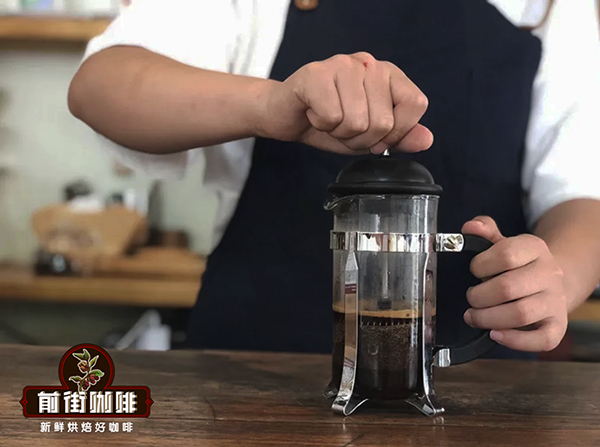
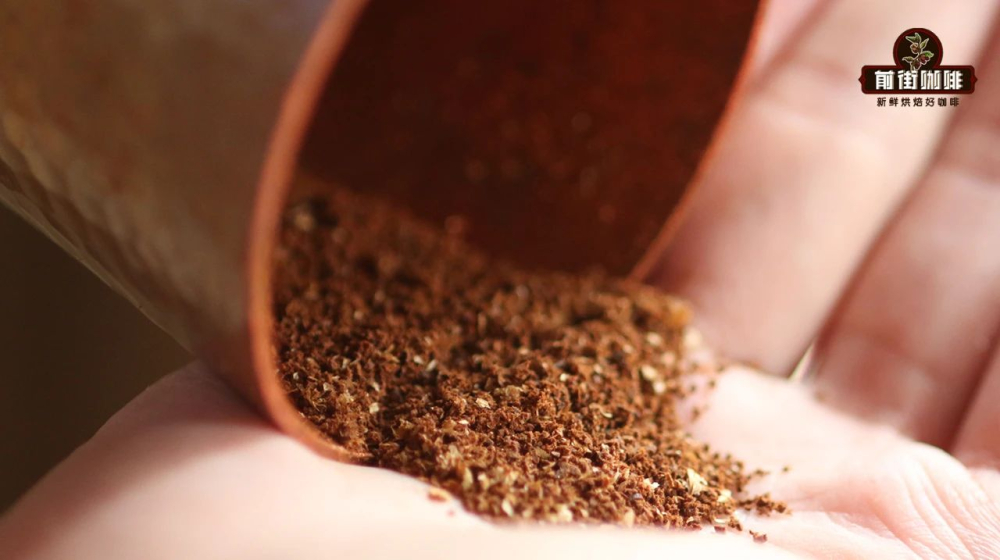
The French press is an immersion brewing method, suitable for medium to dark roasted coffee beans, bringing out rich body and complex aromas. If you prefer fruity notes, you can choose beans with prominent flavors such as berries or caramel. For those who enjoy nutty or chocolatey profiles, medium to dark roasted beans are more appropriate.It is recommended to use a coffee-to-water ratio of 1:15 to 1:16, as this range offers a high margin of error and can deliver a balanced flavor. Additionally,the grind size should be relatively coarse. Using a standard #20 sieve as a reference, aim for 72%–75% for light to medium roasts and adjust to 68%–71% for medium to dark roasts, to prevent too much fine sediment from passing through the metal filter and affecting the taste.
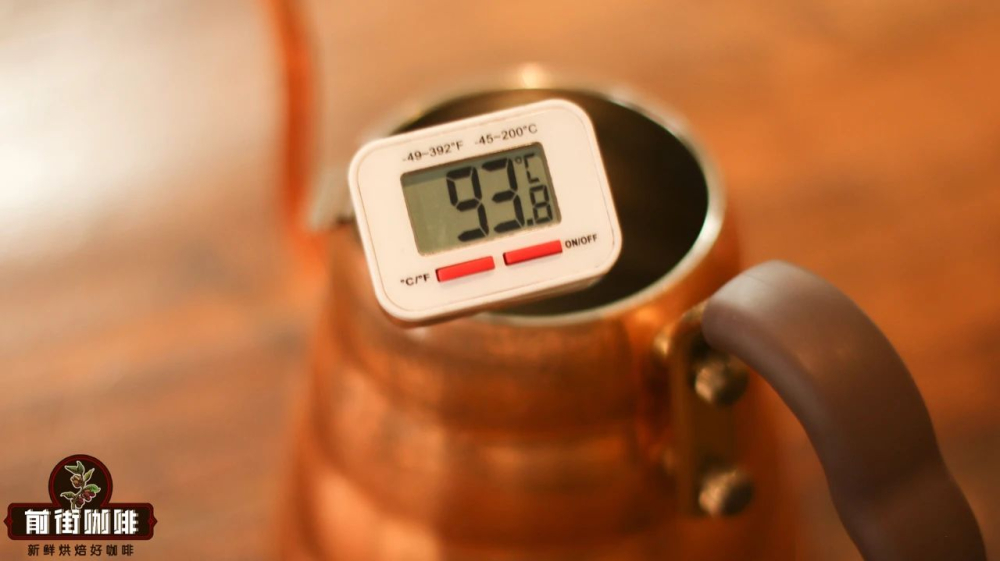
Water temperature is also a key factor. Due to the immersion and steeping nature of the French press, the water should be slightly hotter than for pour over,with 91–94°C recommended for light to medium roasts and 88–91°C for medium to dark roasts. The steeping time is advised to be aroundfour minutes; going too long may lead to over-extraction, resulting in bitter and heavy flavors. In practice, for example, using 15 grams of coffee grounds, pour in 225–240 milliliters of hot water, let it steep for 4 minutes, then slowly press down the filter to avoid disturbing the fine grounds at the bottom, and you’ll enjoy a well-balanced cup of French press coffee.
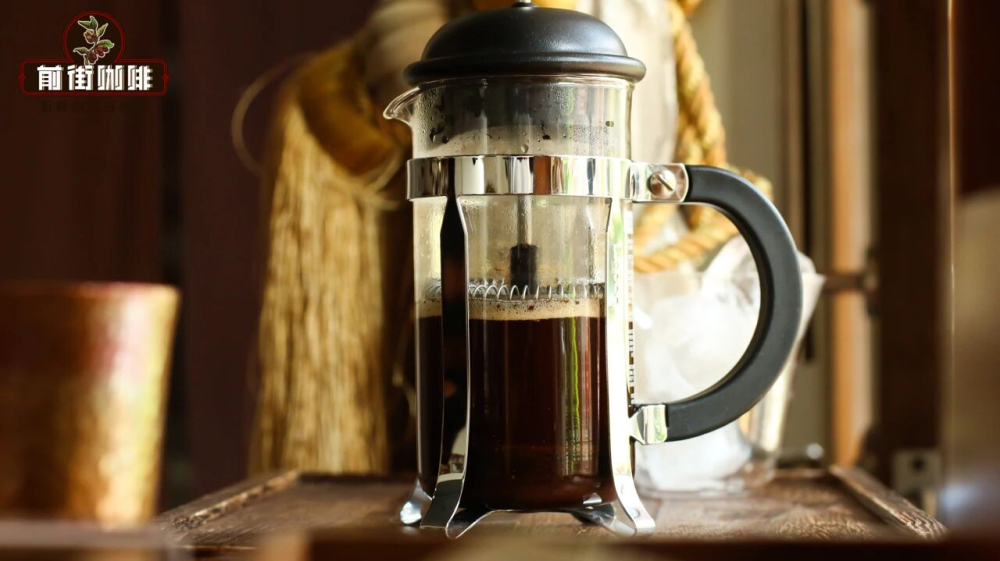
The uses of the French press go far beyond just brewing coffee. Thanks to its integrated immersion and filtration design, it is also used as a cupping tool, with a process similar to professional cupping, helping to evaluate the overall performance of coffee beans. Moreover, it’s equally suitable for brewing black tea, with an operation method almost identical to that for coffee, making it very popular among tea drinkers. Interestingly, the French press structure can also be used to froth milk—especially for manually preparing cold milk foam—where repeated pressing can produce fine-textured foam, adding more possibilities to your homemade coffee.

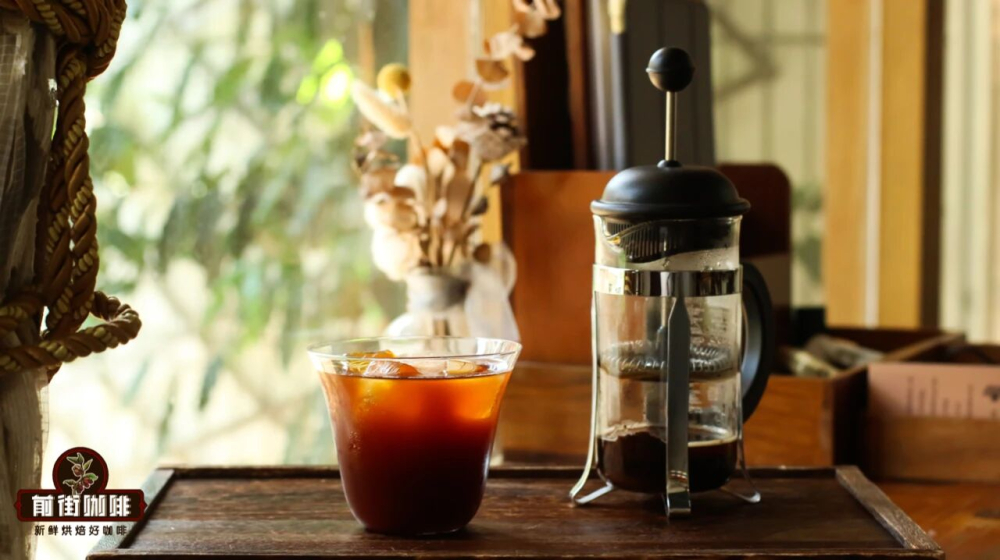
Can the French press be used to make iced coffee? The answer is yes. Drawing inspiration from the Japanese iced pour over technique, you first extract a concentrated coffee using hot water, then add ice to cool and dilute it, resulting in a well-balanced iced coffee. Since light roasts often have pronounced acidity, which can lead to undesirable off-flavors after immersion, it’s recommended to use medium to dark roasted beans with rich body and aroma—such as those with vanilla and sherry notes.
Here’s how to make iced coffee specifically: Prepare 15 grams of coffee grounds, use a 1:8 coffee-to-water ratio (i.e., 120 grams of 94°C hot water), and pour in a circular motion centered in the brewer. After 30 seconds of steeping, stir to enhance extraction, then cover and wait for 3 minutes. During this time, place 105 grams of ice in a glass. After 3 minutes, slowly press down the filter, let the coffee grounds settle for 1 minute, and then pour the coffee over the ice. You’ve now made a French press iced coffee with a rich body and clear vanilla notes.This method avoids excessive acidity release while preserving a rich aromatic profile.
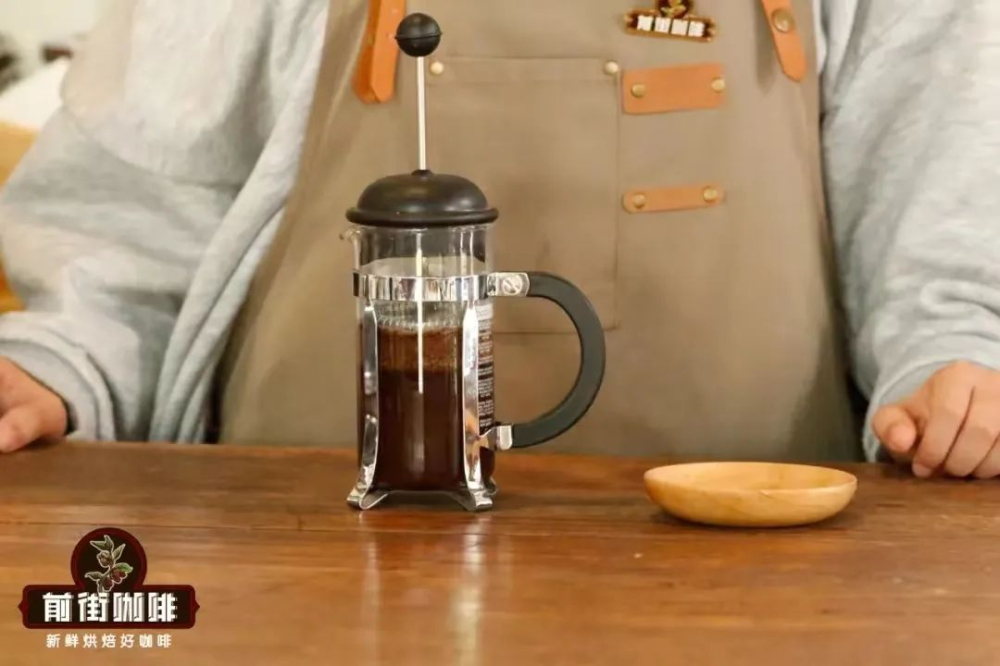
After using the French press, cleaning is essential. Since the metal filter retains coffee oils, improper washing can negatively impact the flavor of the next brew. When disassembling, hold the handle of the plunger firmly with one hand, and gently twist and loosen the metal filter part with the other, then clean each layer of the filter and other components separately to ensure no residue or grease remains inside. Finally, dry the parts and reassemble. Keeping your French press clean is a key step in maintaining the quality of each brew.
The above content is compiled by CoffeeHunters, a coffee news website.


