







Introduction:The flavor profile of pour over coffee depends largely on the grind size of the coffee grounds. Grinds that are too coarse or too fine can both diminish the potential of even high-quality beans. Mastering the appropriate grind size is an essential skill for every coffee enthusiast. This article delves into how different grind sizes affect extraction efficiency and flavor expression, provides practical methods for burr calibration, and pairs five common grind levels with recommended brewing devices and bean types to help you dial in your perfect extraction.
During the coffee extraction process, grind size is a key factor influencing the contact area between water and coffee grounds, as well as the rate of extraction. Finer grinds increase the total surface area of the coffee, allowing more areas for water to extract from, leading to a more thorough extraction. Conversely, if the grind is too coarse, the reduced contact area lowers extraction efficiency, potentially resulting in under-extraction. Therefore, choosing the right grind size is one of the crucial factors that determine the final flavor of your coffee.
But how do you find the most suitable grind size based on different bean varieties, roast levels, and brewing devices? This often puzzles many beginners. In fact, aside from device differences, the “freshness” of the coffee beans is also a critical element that directly impacts flavor expression and extraction stability.
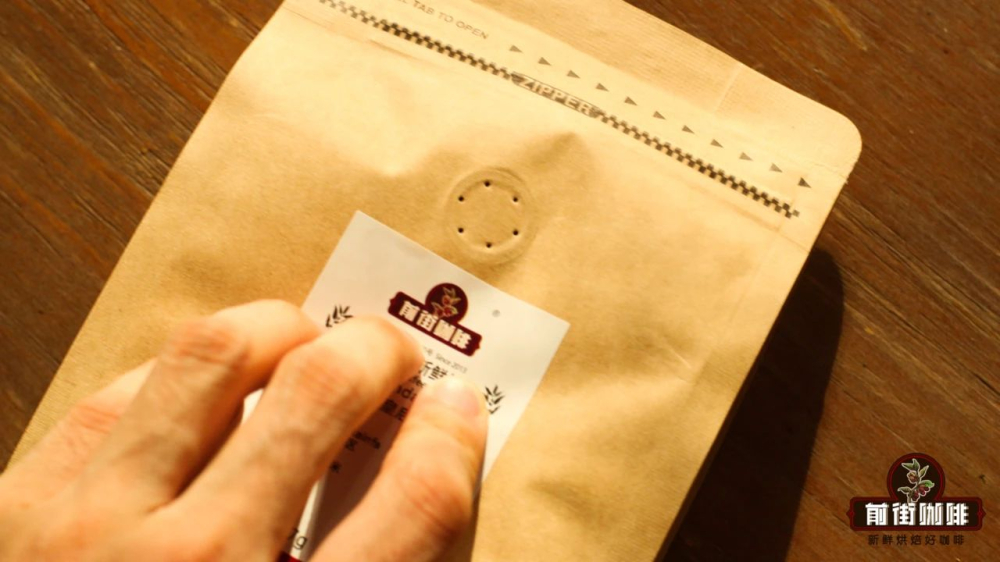
First, when purchasing coffee beans, prioritize those with a one-way degassing valve and pay attention to the roast date printed on the packaging. The one-way valve allows carbon dioxide released during roasting to escape naturally while preventing oxygen from entering and accelerating oxidation. It’s generally recommended to allow 3 to 7 days of “resting time” after roasting to let the internal carbon dioxide dissipate gradually, achieving a more stable extraction state. Specifically, medium to light roasts are best rested for 3–4 days, while medium to dark roasts can be extended to 4–5 days. Brewing coffee immediately after roasting can disrupt the water flow and extraction due to excessive CO₂, leading to unstable flavors.
Additionally, the flavor and aroma of coffee beans decline over time, especially the volatile aromatic compounds. Fresh coffee not only has ample CO₂ but also more vibrant aromas. It’s advisable to consume the beans within two months of roasting. If the beans have already been ground, it’s best to use them within 20 days to preserve optimal flavor.
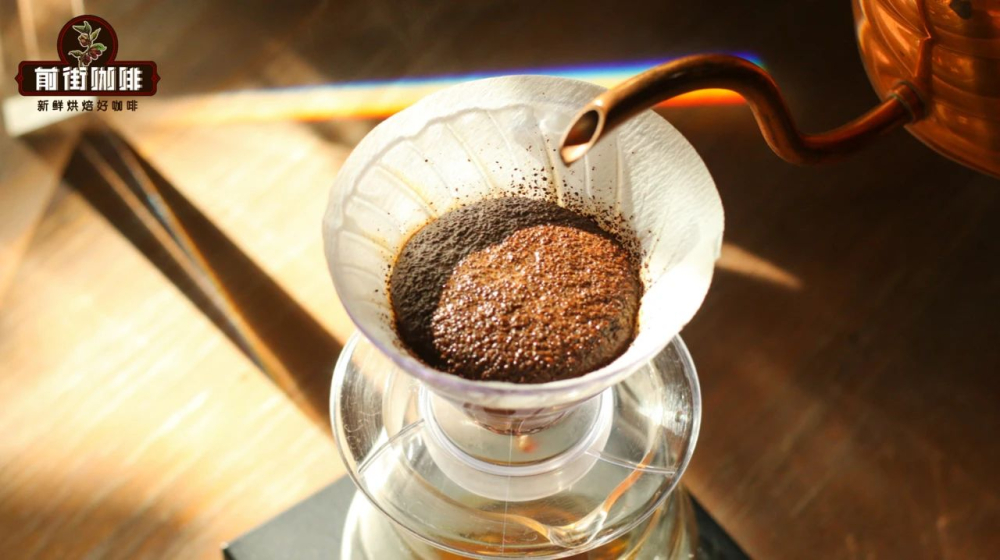
So, how does grind size influence coffee flavor? Simply put, grind size alters the total surface area of the coffee, the speed at which water penetrates the coffee bed, as well as the concentration and balance of the final extraction. When the grind is finer, the smaller coffee particles increase the contact area with water, speeding up extraction and releasing more flavor compounds, including acidity, sweetness, and bitterness. However, if the grind is too fine, increased resistance slows down water flow and prolongs extraction time, often leading to over-extraction—resulting in bitter, astringent, and off-flavors that mask other delicate notes.
On the other hand, if the grind is too coarse, the larger gaps between coffee particles allow water to pass through quickly, shortening extraction time and potentially causing under-extraction. This leads to a thin, flat-tasting cup lacking complexity, or even one that tastes overly watery.
A simple yet effective way to determine whether your current grind size is appropriate is by using a “No. 20 sieve (with 0.85mm holes)” to test the passing rate. Here’s how: take 10 grams of coffee beans, grind them roughly at your usual grind setting, pour them into the sieve, and shake thoroughly. Then weigh the amount of coffee powder that passes through the sieve to calculate the passing rate. For example, if 80% of the coffee grounds pass through the sieve, the passing rate for that grind size is 80%.
Generally recommended passing rate ranges are as follows for reference and adjustment: cold drip 80% and above, pour over and siphon around 80%, moka pot and drip coffee 75–80%, cupping 70–75%, and French press between 65–70%. However, different roast levels also have suggested passing rates—for instance, light roasts are recommended to use a grind with an 80–85% passing rate, medium roasts around 70–75%, and dark roasts can be adjusted to 65–70%. These values serve as references but can help users fine-tune their grind to achieve a more ideal extraction.
If you don’t want to purchase a sieve, you can also choose your grind size based on five common grind levels and match them to your brewing device:
Extra Fine: Fine, almost powdery, suitable for moka pots or espresso machines. This grind must withstand high-pressure extraction, with a compact puck that effectively restricts water flow to extract rich crema.
Fine: Slightly coarser than extra fine, similar to fine white sugar, commonly used for drip bags. Since drip bags use paper filters without structural restrictions on water flow, fine grinds provide a larger extraction surface area, ideal for fully extracting coffee compounds.
Medium Fine: Similar to fine sand sugar, the most common grind size for pour over, suitable for most pour over drippers (such as V60, KONO, etc.). Recommended for medium to light roasts, with a passing rate of about 75%–80%, it highlights bright acidity and layered flavors.
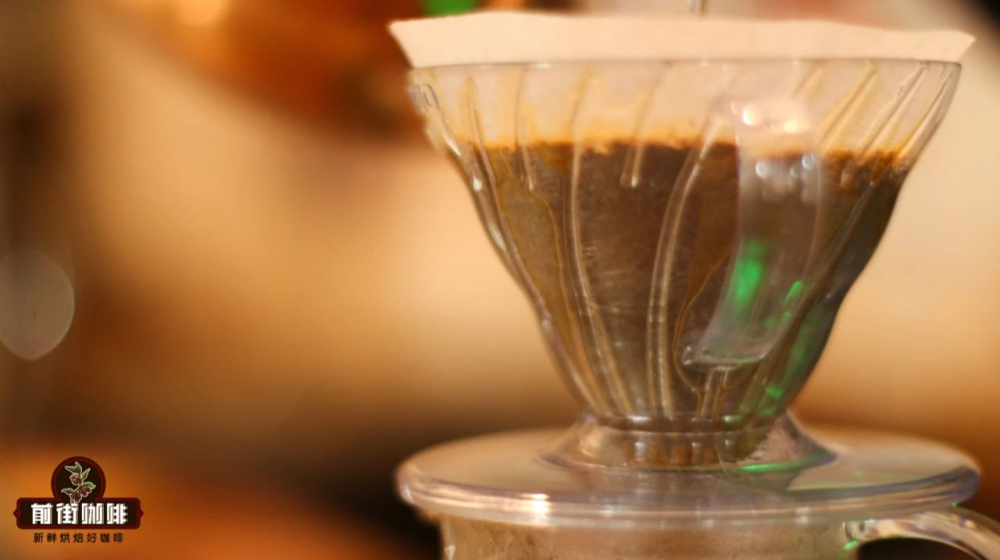
Medium: Similar to coarse sand sugar, suitable for medium to dark roasts, with a passing rate of about 70%–75%. This grind helps avoid over-extraction and is ideal for beginners who may struggle with control, also reducing issues caused by unstable initial pouring.
Coarse: Granules about the size of sea salt, suitable for French press. The French press uses a metal filter and prolonged immersion brewing; coarse grinds prevent fine particles from passing through while preserving the coffee’s original flavors and full-bodied mouthfeel.
Mastering grind size not only improves extraction stability but also helps you better understand your preferred coffee flavor profile. Whether you’re a beginner just starting with pour over or an experienced enthusiast looking to refine your skills, adjusting grind size is a key step toward brewing your ideal cup of coffee.
The above content is compiled by CoffeeHunters, a coffee news website.


