







Introduction:Walking into a coffee shop, are you often overwhelmed by the wide variety of options on the menu? From espresso to specialty drinks, each coffee is not only brewed differently but also offers vastly distinct flavors. This article delves into the extraction principles, ingredient ratios, and flavor profiles of ten common coffee beverages, helping you find the most suitable choice based on your personal preferences and deepen your basic knowledge of each type—enhancing your overall coffee tasting experience.
When you walk into a café and see names like espresso, SOE, Americano, latte, flat white, cappuccino, pour over, cold brew, Dirty, and specialty drinks on the menu, do you feel unsure where to start? Although these common coffee beverages are mostly based on Arabica beans, they exhibit unique flavors and textures due to differences in brewing methods, ingredient proportions, and processing techniques. This article will provide a detailed breakdown of the distinctions among these ten popular coffees—from the rich and intense espresso to the refreshing pour over, and on to the layered complexity of cold brew—to help you better understand the characteristics of each and find your personal favorite.
These ten common coffee beverages include: espresso, SOE coffee, Americano, latte, flat white, cappuccino, pour over coffee, cold brew, Dirty, and specialty coffee. Most of them use Arabica beans, which are generally known for their delicate flavors, bright acidity, and fewer impurities, making them widely loved by coffee enthusiasts. Next, we’ll introduce the characteristics and differences of each of these coffees one by one.
[Espresso-Based Coffees]: This category includes espresso, SOE coffee, Americano, latte, flat white, cappuccino, and Dirty—all of which are variations developed from the foundation of espresso.
Espresso: Made using an espresso machine under high pressure, extremely finely ground coffee powder is tamped tightly, allowing hot water to quickly pass through the coffee puck to extract the beverage. A standard shot of espresso is about 30 milliliters, with a high concentration and strong flavor, serving as the base for many coffee drinks. To achieve a balanced and intense flavor, most shops use blends and roast to medium-dark or darker levels, bringing out notes of caramel, chocolate, and nuts.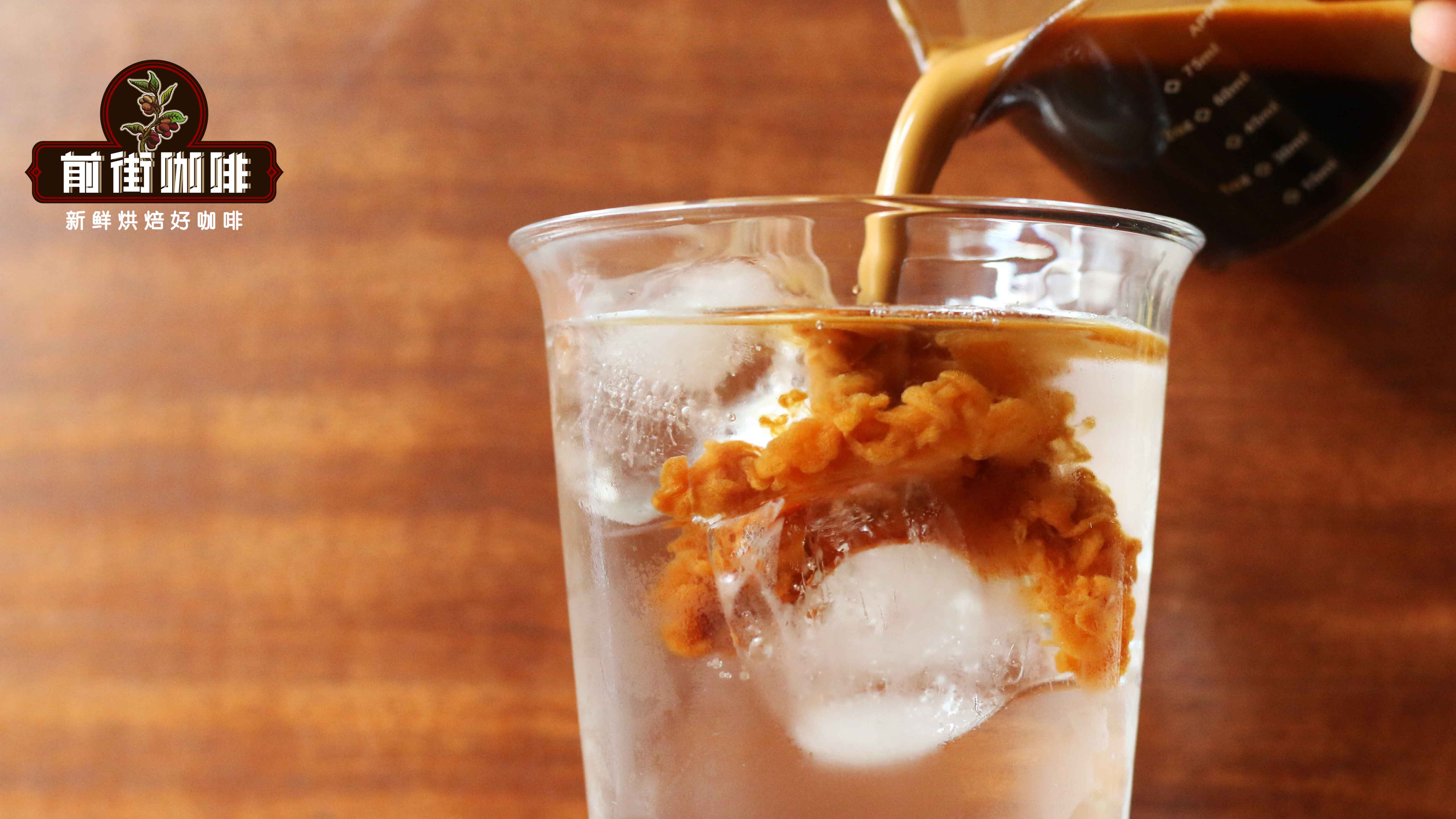
SOE Coffee (Single Origin Espresso): Unlike common blended espressos, SOE uses coffee beans from a single origin for extraction, allowing the unique terroir and varietal characteristics of that region to shine more clearly—such as bright citrus acidity, floral and fruity aromas, or rich sweetness. For those wanting to explore the original flavors of coffee, SOE is a great entry point.
Americano: Made by adding hot water to a shot of espresso, it is one of the most basic types of coffee drinks. When made with ice and cold water, it becomes an iced Americano. The strength and flavor of an Americano depend on the quality of the espresso used, making it ideal for those who prefer a lighter yet authentic coffee taste.
Latte (Caffè Latte): Composed of one-third espresso and two-thirds steamed milk, topped with about 1 centimeter of velvety microfoam. Lattes highlight the milk flavor with a relatively mild coffee presence, making them one of the most popular coffee beverages, especially for beginners. Paired with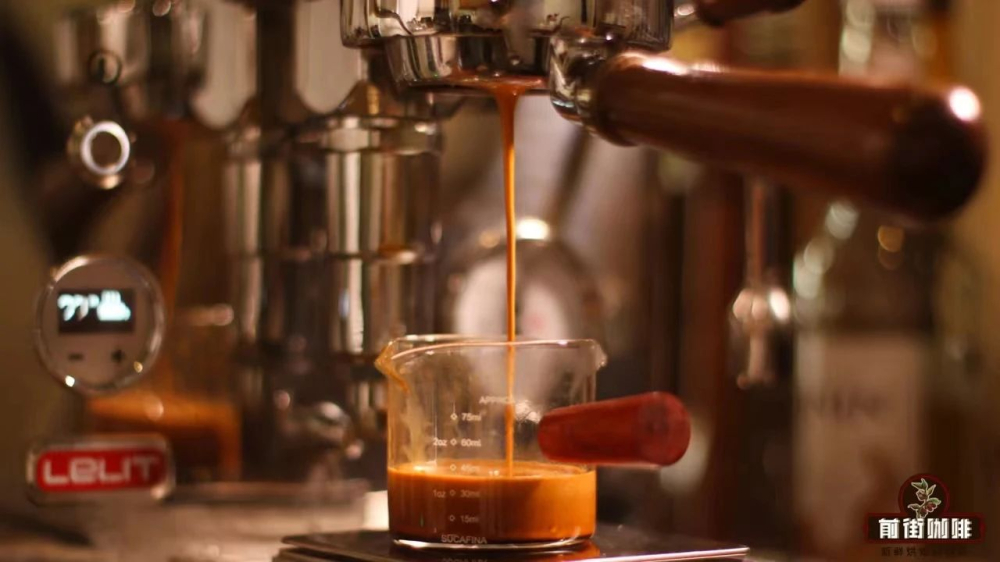 steam-frothed milk, it creates a smooth and aromatic texture.
Cappuccino: With a ratio of two-thirds espresso to one-third milk, but with a thicker layer of foam—about 1.5 centimeters. Compared to lattes, cappuccinos have fluffier and more airy foam, resulting in a drier overall mouthfeel. The balance between coffee and foam is even, making it a common breakfast choice in many European countries.
Flat White: Similar to a latte, but uses less milk and thinner foam, with a ratio of two-thirds espresso to one-third milk and a foam layer of about 0.5 centimeters. This makes the coffee flavor more pronounced, with a richer and more concentrated overall taste—ideal for those who prefer a coffee-forward drink.
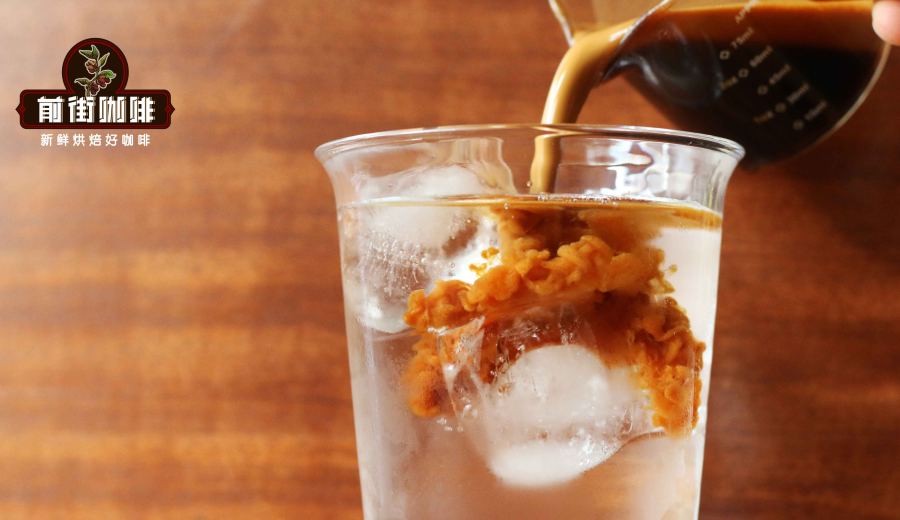
Dirty Coffee: Combines cold milk or cold barista milk (purified concentrated milk) with hot espresso, typically poured directly into the cold milk to create a distinct layered effect. It’s meant to be consumed without stirring, allowing you to experience the transition from cool milk to hot coffee, resulting in a bold and dramatic flavor contrast.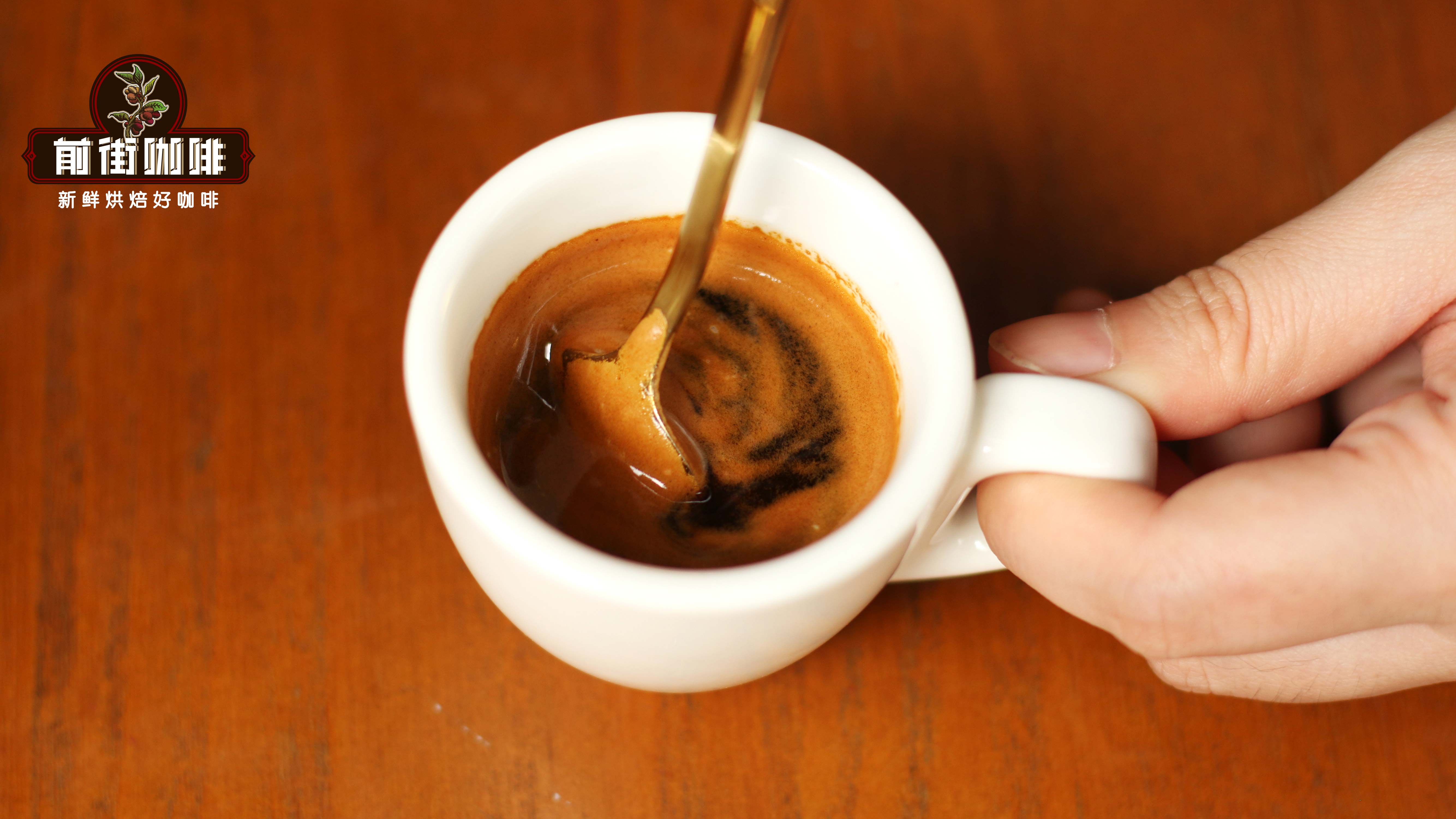
Pour Over Coffee: Brewed using a filter dripper and manual pouring technique, where coffee grounds are filtered through paper to retain a clean taste and subtle flavors. Pour over highlights the inherent characteristics of the coffee beans—such as floral notes, fruity acidity, sweetness, and aftertaste. It’s recommended to use freshly roasted beans, ideally within five days of roasting, for the best flavor. Parameters such as water temperature (typically 90–94°C), grind size (medium-fine), and pouring technique all influence the final taste.
Cold Brew: Coarse to medium-fine ground coffee is steeped in cold water for at least 8 hours or more, then filtered through a filter or cloth to remove the grounds. Due to the low-temperature extraction process, it significantly reduces bitterness and acidity, resulting in a smooth, sweet, and low-acid profile. The recommended coffee-to-water ratio is 1:12 (1 part coffee to 12 parts water). Ice can also be added to help maintain a stable extraction environment. Many coffee lovers enjoy its smooth and nearly non-bitter quality, making it perfect for summer.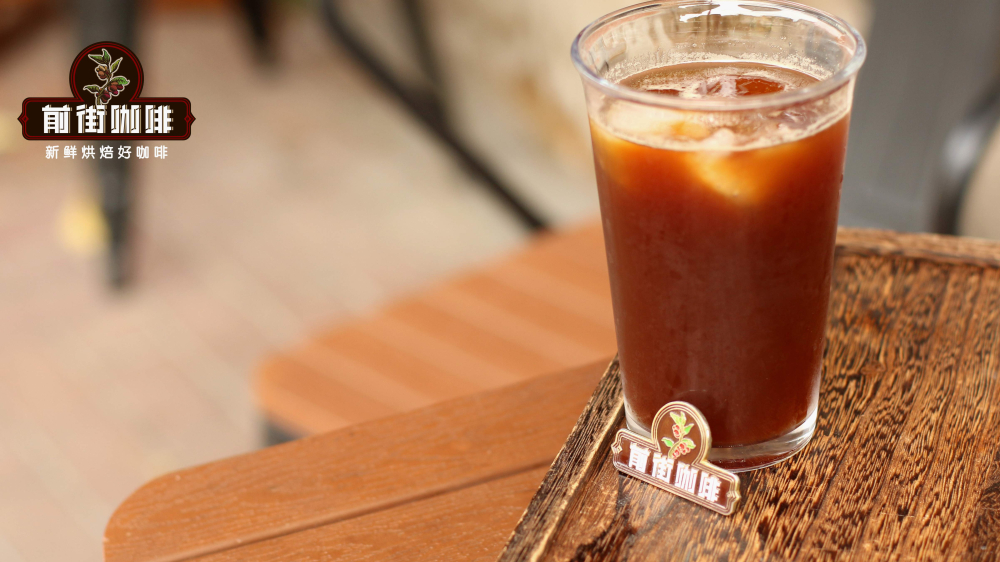
Ice Drip Coffee: An extremely slow extraction method where ice water drips drop by drop through coffee grounds. The entire process usually takes more than 5 hours, and some shops even refrigerate it for additional aging overnight. Ice drip coffee often uses high-quality single-origin beans with intense fruit aromas. Thanks to the low-temperature slow extraction, it delivers a unique rich, wine-like body and fermentation aromas, with a clean and layered aftertaste—making it a favorite among advanced coffee enthusiasts.
Specialty Coffee: Created by adding ingredients such as fruit, syrups, teas, or dairy to a base coffee liquid (like espresso, Americano, or cold brew). These drinks offer diverse flavors, with common examples including lemon coffee, caramel salted latte, and matcha latte. Specialty drinks allow for a lot of creativity and are great for those who enjoy novel tastes and sweet layers—but they may also mask the coffee’s original flavor. Choose based on your own preference.
The above content is compiled by CoffeeHunters, a coffee news website.


