








Introduction:Latte coffee combines the richness of espresso with the smoothness of milk, making it a popular choice for many when starting their journey into espresso-based drinks. To replicate café-quality lattes at home, the key lies in selecting the right coffee beans, maintaining a stable extraction process, and mastering the techniques for steaming and integrating milk. This article details several Italian-style espresso blends suitable for making lattes, and provides a step-by-step guide—from grinding, tamping, and extracting, to steaming and latte art—helping you master every detail to brew a balanced, silky-smooth latte.
The term "latte" originates from Italian, referring to the classic combination of coffee and milk. Among espresso beverages, latte is one of the most beloved options, with its appeal lying in the bold flavor of espresso paired with the velvety texture of steamed milk, creating a layered and long-lasting drinking experience.
Replicating café-quality lattes at home isn’t difficult, but it requires mastering three core elements: choosing the right coffee beans, ensuring a stable espresso extraction process, and achieving the ideal ratio and blending technique between milk and coffee. This article will delve into how to choose beans, how to extract, and how to steam and pour latte art, guiding you step by step to create a professional-grade latte.

First, let’s talk about coffee bean selection—a crucial factor that affects the overall flavor profile of your latte. Beans from different regions, with varying processing methods and roast levels, can deliver distinctly different taste and aroma characteristics. For lattes, it’s recommended to choose medium-dark to dark roasted Italian-style espresso blends, which can bring out caramel, nutty, and chocolatey notes that pair perfectly with milk.
Below are some highly-rated Italian-style espresso blends that are well-suited for making lattes:
1. Classic Italian Espresso Blend
Flavor Profile: Chocolate, cocoa, maple syrup, toasted bread
This blend typically consists of beans from Brazil, Indonesia, and Vietnam, roasted to a medium-dark to dark level. It suits those who prefer a bold, rich taste. Its strong chocolate notes and moderate body create an excellent harmony with milk, making it ideal for both lattes and Americanos. Pay attention to controlling time and flow rate during extraction to achieve optimal balance.
2. Berry-Note Espresso Blend
Flavor Profile: Berries, buttery cookie, rose
This blend uses a medium roast and is suited for drinkers who enjoy fruity aromas and a balanced sweet-tart profile. Common bean sources may include honey-processed beans from Costa Rica, along with beans from Ethiopia and Colombia, showcasing gentle acidity and sweetness. When paired with milk, it delivers flavor layers reminiscent of strawberry marshmallows.
3. Brazil & Colombia Blend
Flavor Profile: Dark chocolate, roasted nuts, cocoa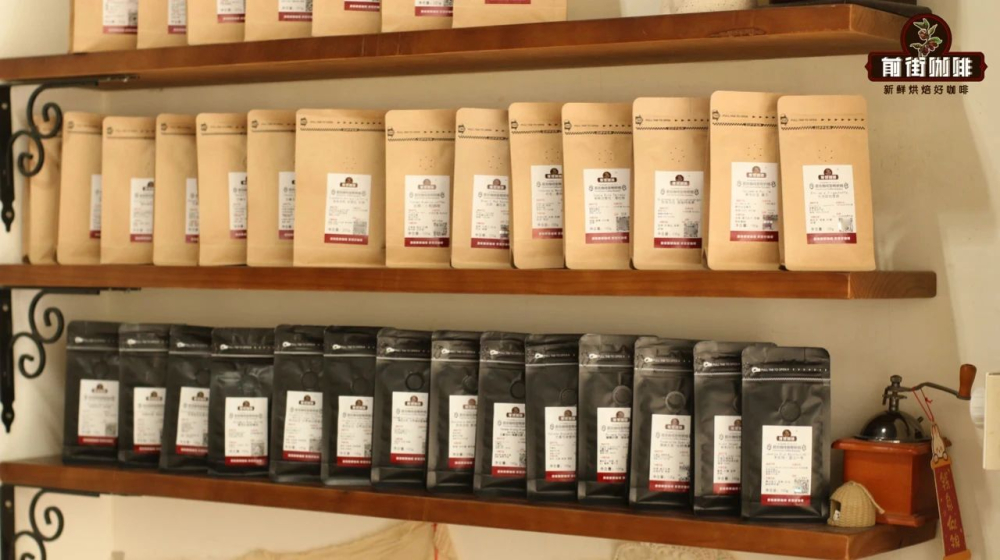
This combination is based on beans from Brazil and Colombia. A medium-dark roast highlights nutty and chocolatey aromas. The resulting coffee has a creamy cookie-like scent and moderate sweetness, making it very suitable for lattes or any drink requiring smooth texture and layered flavor. Great for daily drinking and also beginner-friendly for those seeking balanced flavors.
4. Commercial-Grade Espresso Blend
Flavor Profile: Caramel, roasted hazelnut, toasted bread
These blends are commonly used in cafés for everyday lattes and Americanos. Made with beans from Brazil, Colombia, and Vietnam, the medium-dark roast offers intense roasted aroma and caramel sweetness, with rich crema and an easy-drinking profile. Ideal for home users aiming to replicate café flavors, this is also a great value-for-money option.
After understanding how to choose the right coffee beans, let’s move on to the actual brewing process. Typically, a standard latte uses a double shot of espresso, with around20 gramsof coffee grounds, aiming to extract40 gramsof espresso, with an extraction time controlled between28 to 30 secondsfor best results. Too short may lead to under-extraction, while too long can result in over-extraction and a burnt, bitter taste.
Before extraction, it’s recommended to preheat the coffee cup, milk pitcher, and related tools, and adjust the grinder to a suitable fineness (espresso typically requires a fine grind). Distribute 20 grams of coffee grounds evenly in the portafilter, use a distributor to level the grounds, then apply even pressure vertically with a tamper to ensure consistent puck density. Lightly pre-wet the filter basket by releasing water for 1–2 seconds to stabilize the extraction.
During extraction, attach the portafilter to the group head, start the extraction, and observe the flow rate and color changes of the coffee. When you reach40 gramsof extracted coffee and the time falls within28 to 30 seconds, stop the extraction and pour the espresso into the preheated cup.
Next comes milk preparation. A typical latte uses about240 millilitersof milk (for a 300 ml finished cup), which will slightly increase in volume due to air incorporation during steaming. It’s recommended to use whole fresh milk for richer foam texture and mouthfeel. When steaming, first purge the steam wand to remove condensation, then submerge the steam tip just below the milk surface to create microfoam (fine bubbles), followed by sinking deeper to stretch the milk (producing smooth foam), achieving about1 cm thickof glossy, bubble-free milk foam.
Finally, integrate the steamed milk with the espresso and pour latte art. Begin pouring from a slightly higher position to mix the milk and coffee evenly, then gradually lower the pitcher to shape patterns using the foam. A common beginner pattern like a heart can be achieved by controlling wrist movement and milk flow rate, finishing with a smooth, flowing motion.
The above content is compiled by CoffeeHunters, a coffee news website.


