







Introduction:Espresso-based drinks are a classic staple in many coffee shops, covering espressos, milk coffees, black coffees, and various creative mixed drinks. This article will take an in-depth look at common types of espresso beverages, including the extraction ratio differences between Espresso, Ristretto, and Lungo, the unique preparation method of Doppio, and detailed recipes for milk coffees such as Americano, Long Black, Latte, Cappuccino, Flat White, and Piccolo. It will also explain how to make mixed drinks like Mocha, Marocchino, and Affogato. This guide will help you quickly grasp the characteristics and brewing essentials of each drink.
Espresso-based coffee is almost a foundational offering in every café. Whether it’s the espresso base or the milk and black coffee variations derived from it, or even creative specials, they all have numerous fans. Drinks like Americano, Latte, Cappuccino, and Flat White are popular staples in many cafés. This article will comprehensively cover all types of espresso-based coffee, starting with the extraction ratios of the three "siblings" — Espresso, Ristretto, and Lungo — then analyzing the special preparation of Doppio, followed by a detailed comparison of water ratios in Americano and Long Black, and finally describing the recipe differences among the Latte family including Latte, Cappuccino, Macchiato, Flat White, and Piccolo. It will also introduce the preparation secrets of mixed drinks like Mocha, Marocchino, Affogato, Con Panna, Caffè Corretto, and Iced Shaken Espresso, helping you quickly build a comprehensive understanding of espresso beverages.
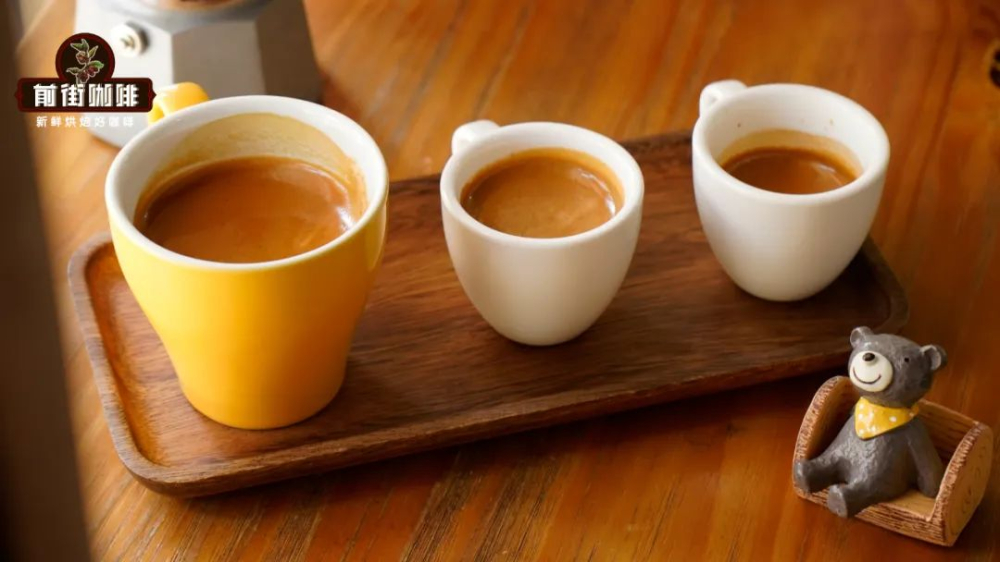
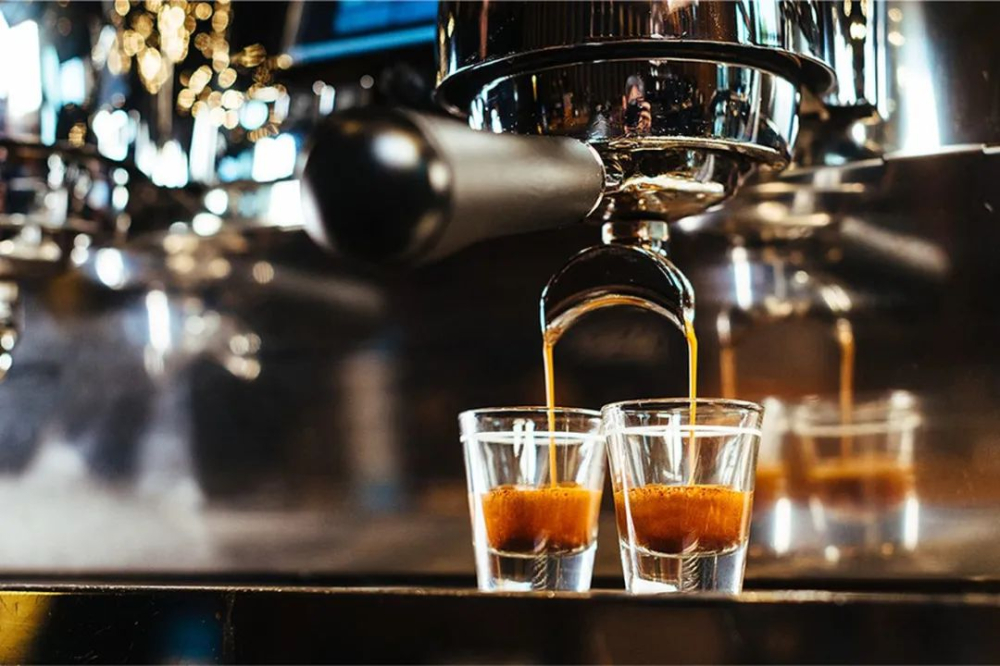
 Espresso is considered the core of the espresso beverage system, but it actually doesn’t exist alone — it has three “siblings”: Espresso, Ristretto, and Lungo. The main differences among these three types of coffee lie in their extraction ratios and times, which in turn affect the overall flavor profile. Generally speaking, the most common coffee-to-water ratio for Espresso falls between 1:1.5 and 1:2.5. For example, using 20 grams of coffee grounds, about 40 grams of coffee liquid is extracted within 25 to 30 seconds. Ristretto only extracts the essence from the first and middle parts of the shot, with a coffee-to-water ratio typically between 1:1 and 1:1.5. About 28 grams of liquid is extracted from 20 grams of coffee grounds in around 20 seconds, resulting in a more concentrated and intense flavor with a shorter aftertaste. It is often used as the base for Flat White. Lungo takes the opposite approach, extending the extraction time and increasing the water volume, achieving a coffee-to-water ratio of 1:4 to 1:5. Nearly 100 grams of coffee liquid can be extracted from 20 grams of coffee grounds in almost a minute, often resulting in a thin and noticeably bitter taste due to over-dilution.
In addition, there is a variation of espresso in Italy: Doppio. Many people mistakenly think that ordering a double espresso means getting a Doppio, but they are actually different. A double espresso refers to two single shots of espresso, while a Doppio is made using double the amount of coffee grounds to produce a single shot. As a result, although the volume is smaller, the concentration is higher, and the texture is richer, making it suitable for those who prefer a stronger coffee flavor.
 Among black coffees, the Americano is one of the most well-known choices. It consists of one shot of Espresso with hot water added. Because it is easy to drink and suitable for both hot and cold consumption, it has long been a bestseller in coffee shops worldwide. In contrast, the Australian-style Long Black (also known as Long Black) also mixes espresso with water, but the method and ratio differ: the typical ratio of espresso to water in a Long Black is 1:3, whereas the Americano ratio ranges from 1:5 to 1:8. Therefore, the Long Black has a richer flavor and is generally recommended to be enjoyed only as a hot drink to fully showcase its layered taste.
When it comes to the milk coffee family, the Latte is undoubtedly the most representative choice. In Italian, "Latte" literally means milk. If you want to order a milk coffee in Italy, you need to specifically say “Caffe latte.” Outside of Italy, a Latte usually refers to a blend of espresso and milk in a ratio of 1:5 to 1:8, balancing milk and coffee aromas, and is widely loved. The Cappuccino is another classic, consisting of coffee, steamed milk, and milk foam in a 1:1:1 ratio. The top layer features thick milk foam that may even rise above the rim of the cup, offering a taste experience that combines rich coffee with velvety foam. The Macchiato is made by adding a spoonful of delicate steamed milk foam to an espresso. With very little milk added, its flavor is intense, with a concentration that lies between Espresso and Cappuccino.
The Latte has undergone localization adjustments in Australia, evolving into the Flat White with thinner foam and less milk, and the even smaller-sized Piccolo Latte, which uses a single shot of espresso with a small amount of milk. Its serving size is only 3 ounces, delivering a more concentrated taste, suitable for those who enjoy the flavor of the beans themselves, and is usually only offered as a hot drink. As for the Dirty, though not a traditional espresso-based coffee, as a variation of iced Latte, it involves pouring freshly extracted espresso directly over iced milk to create a visual and flavor contrast, making it an extremely popular internet-famous drink in recent years.
 To help more people accept the strong flavor of espresso, many creative mixed drinks have emerged. Adding a chocolate-flavored syrup to a Latte results in the classic Mocha. Another Italian specialty, the small-format Marocchino, is served in a cup of about 60 milliliters. It starts with a shot of espresso, sprinkled with cocoa powder, then topped with milk foam or cream, and finished with another layer of cocoa powder, creating an unforgettable rich aroma.
In addition, there are many mixed drinks based directly on espresso. For example, the Affogato pours espresso over ice cream, serving as both a coffee and a dessert. The Con Panna tops espresso with whipped cream. The Caffè Corretto adds a small amount of liquor to the espresso, adding different flavor layers. The European-style Iced Shaken Espresso (Caffe shakerato) involves shaking espresso with syrup and ice cubes in a cocktail shaker, then straining it into a martini glass. It retains the aroma of the espresso while offering a creamy foam and mildly sweet taste, often described as having a drinking experience similar to black beer.
The above content is compiled by CoffeeHunters, a coffee news website.


