








Introduction:When the weather gets hot, iced coffee becomes a daily essential for many. But with different brewing methods like cold brew, ice drip, Americano ice, and iced pour over, do you know how each is made, how their flavors differ, and which one suits your taste best? This article will help you understand the brewing principles, key parameters, and flavor characteristics of these four types of iced coffee, so you can find the perfect cool cup for you.
As temperatures rise, refreshing iced coffee becomes the top choice for many coffee lovers. Common types include iced pour over, Americano ice, cold brew, and ice drip, each with its own unique features. But how exactly are these iced coffees made? How do they differ in flavor and mouthfeel? Let’s take an in-depth look at the differences and charm of these four iced coffees, from brewing methods to flavor profiles.

First up is iced pour over coffee, a brewing method that has gained widespread popularity in recent years along with the specialty coffee trend. Like hot pour over, it separates coffee grounds from water through a filter, offering an elegant and visually appealing process. Typically, about 15 grams of coffee beans are used with a 1:10 coffee-to-water ratio—pouring 150 grams of hot water to extract around 120 grams of coffee liquid, followed by adding 100 grams of ice for dilution. This ratio is designed to prevent over-dilution by the ice and ensure a balanced final taste.The grind size is recommended to be slightly finer than for hot pour over, passing about 85% through a 0.85mm sieve, with water temperature controlled at 90°C and total brewing time around 1 minute and 30 seconds.
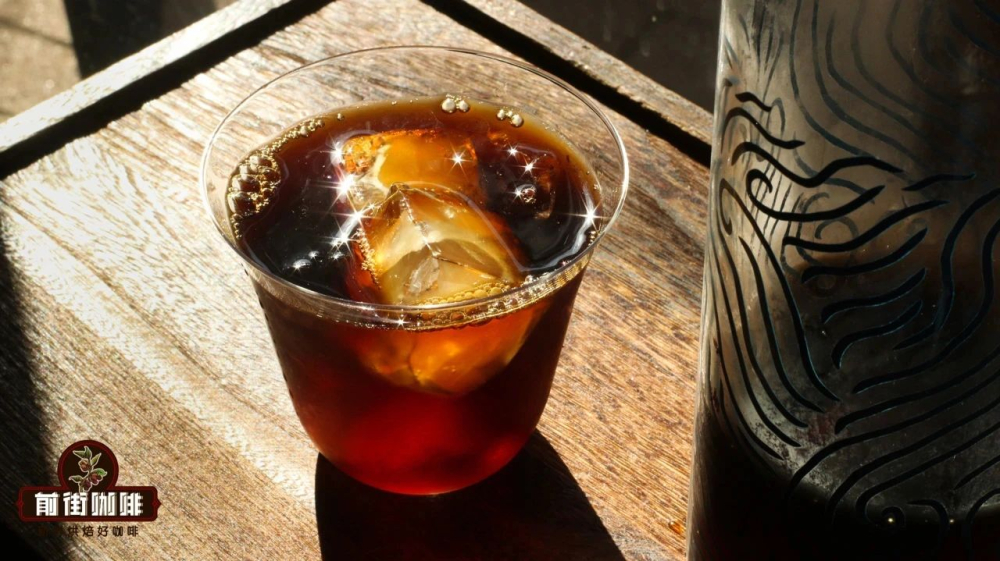
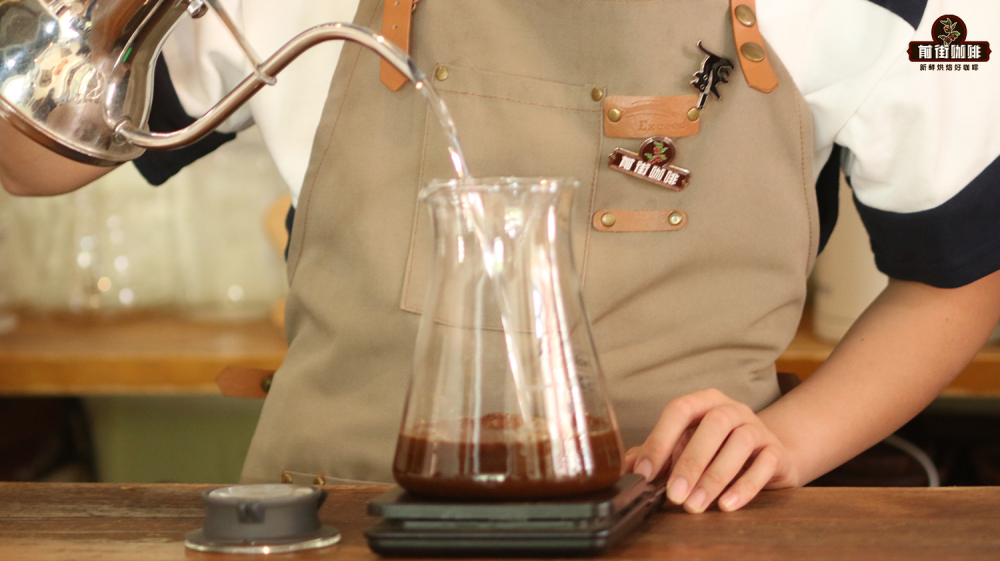
In terms of operation, baristas usually pour in two stages: first, 30 grams for the bloom to allow fresh coffee beans to release carbon dioxide, ensuring smooth extraction afterward; then the remaining 120 grams of water are poured all at once in a gentle circular motion to achieve even extraction. After brewing, the coffee liquid is poured over 100 grams of ice and shaken to mix well, blending the front, middle, and back notes evenly while rapidly cooling it down, resulting in a more refreshing drinking experience.
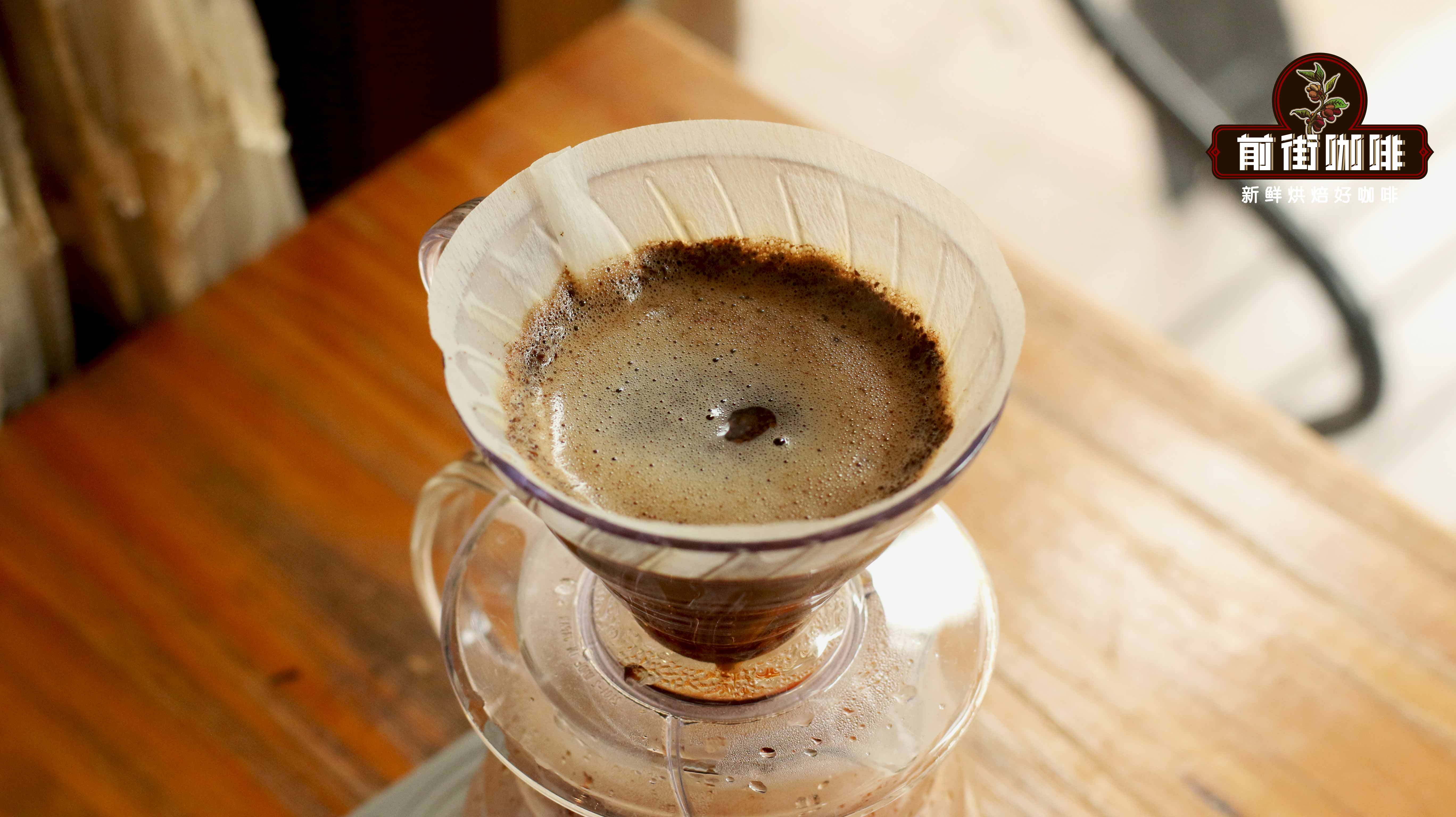
Americano ice is another common choice. Its core lies in using espresso as the base, then diluting it with ice and water. Typically, 20 grams of coffee powder are used to extract about 40 grams of espresso in around 26 seconds. Then about 300 grams of ice water are added, with a ratio of about 7.5:1. The biggest advantage of Americano ice is its quick preparation and balanced acidity and bitterness, making it suitable for those who enjoy a rich flavor without too much intensity. It’s worth noting that the quality of the espresso directly affects the overall flavor, so it’s recommended to use freshly roasted, high-quality coffee beans.

Next is cold brew coffee, which is entirely made by steeping coffee in cold water for a long period of time. The low extraction temperature greatly reduces aroma evaporation, resulting in a smoother taste with fewer off-flavors.Generally, 50 grams of coffee powder are used with 500 grams of cold water, at a 1:10 coffee-to-water ratio, and the grind size is slightly coarser, passing about 75% through a 0.85mm sieve.To make it, simply mix the coffee powder thoroughly with cold water, place it in a container with a capacity of at least 600ml, and refrigerate for about 24 hours. The low-temperature extraction makes the coffee flavors more concentrated and the layers more gentle, suitable for those who prefer low acidity and a clean taste.

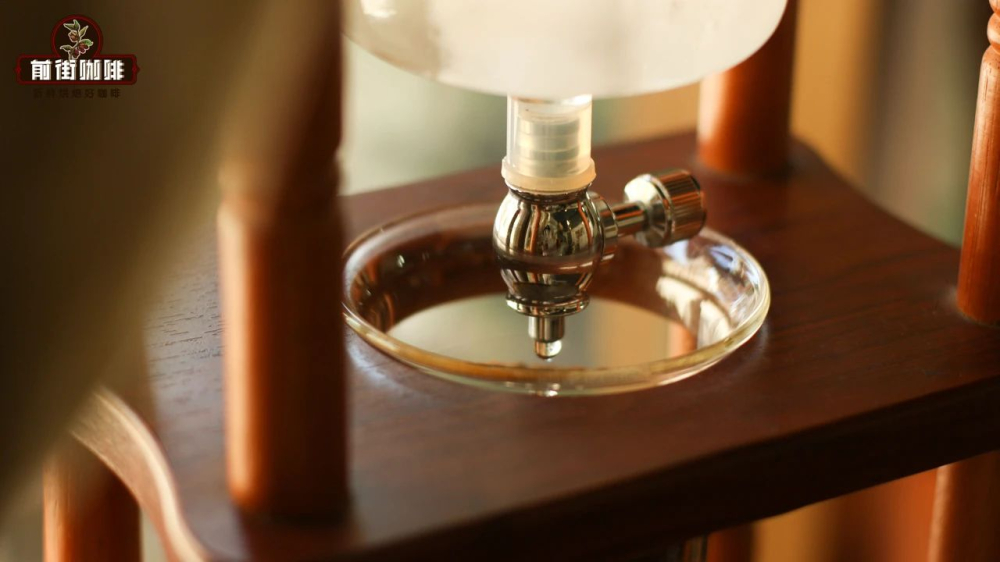
Ice drip coffee takes a more refined approach, using ice water that drips slowly drop by drop through a bed of coffee grounds, simulating an extremely slow extraction process to deliver delicate and full-bodied flavors. Usually, 60 grams of coffee powder are used to extract about 600 milliliters of coffee, also at a 1:10 coffee-to-water ratio, with a grind size slightly finer than for pour over, passing about 85% through a 0.85mm sieve. The extraction process requires a specialized ice drip brewer.The ice-to-water ratio is controlled at 1:1, with a dripping speed of about 7 drops per 10 seconds, and the whole process lasts approximately 6 to 8 hours.After extraction, it’s recommended to chill the coffee for another 12 hours to allow the flavors to round out. Due to the lengthy process, it’s ideal for patient coffee enthusiasts or those seeking deep, complex flavors.
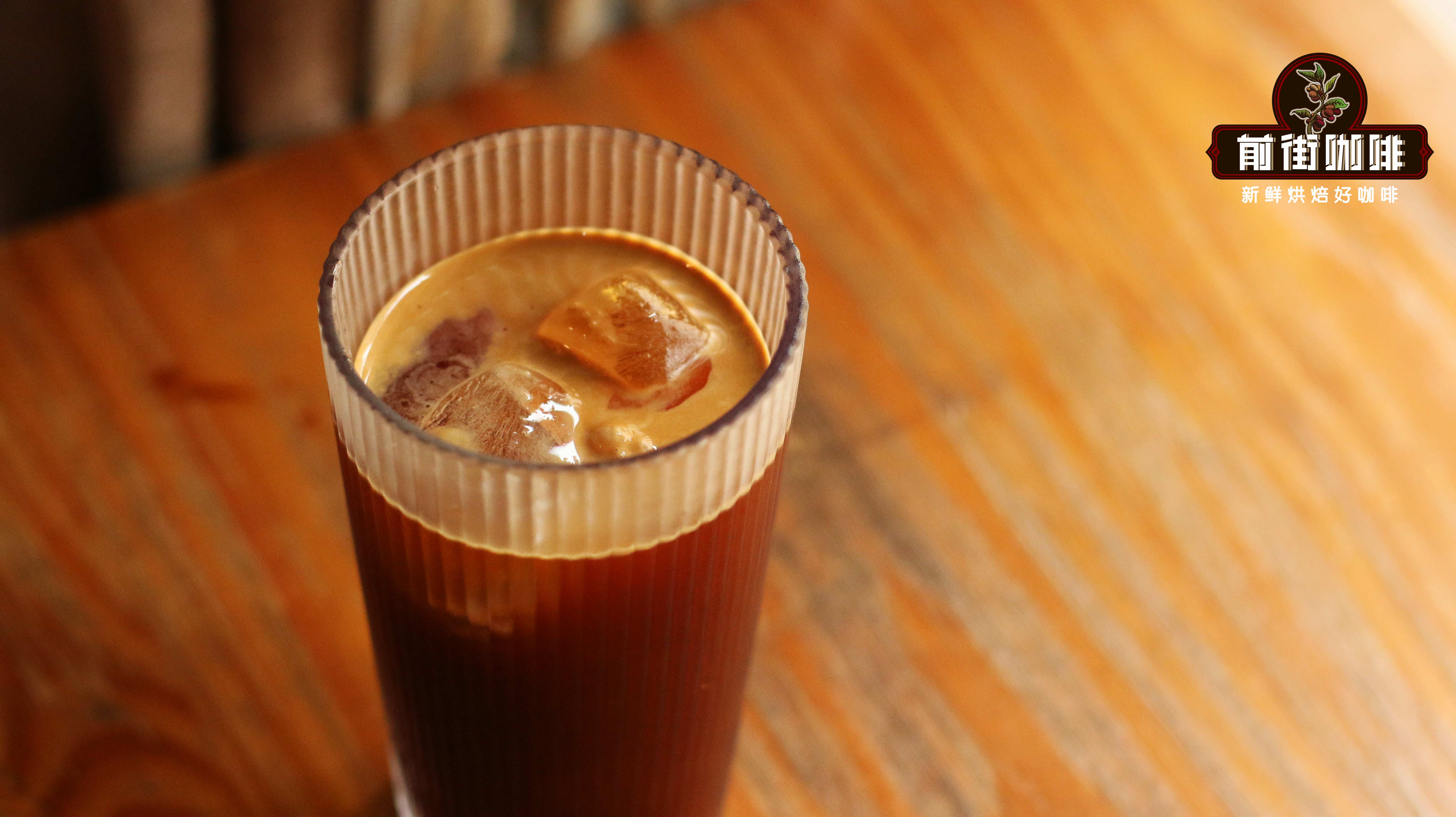
So, how do these four types of iced coffee differ in flavor? Iced pour over generally retains more of the coffee’s original flavors, with bright acidity and a clean taste; Americano ice, due to its espresso base, has a richer mouthfeel with balanced acidity and bitterness; cold brew highlights sweetness and body with low acidity, making it great for sipping in the summer; ice drip offers the most complex flavors, featuring layers of delicate sweetness and a long finish, perfect for savoring slowly.
In summary, if you enjoy a refreshing acidity and layered complexity, iced pour over is a great choice; if you’re after quick convenience and classic richness, Americano ice won’t disappoint; for a mild, low-acid, easy-drinking option, cold brew coffee is worth trying; and if you value ritual and ultimate flavor finesse, why not challenge yourself with ice drip coffee? Each method has its own unique charm and suits different scenarios and taste preferences. Once you understand their differences, next time you order or brew at home, you’ll be able to select or make your perfect iced coffee more precisely.


The above content is compiled by CoffeeHunters, a coffee news website.


