







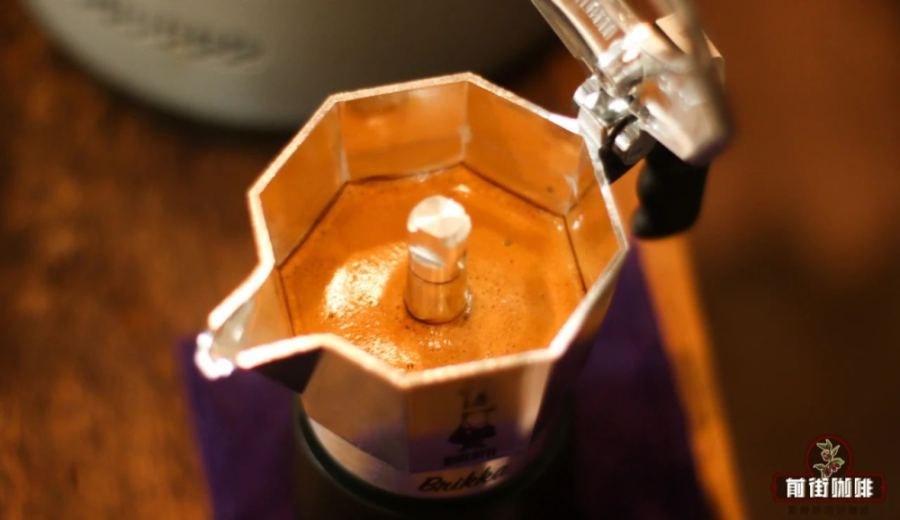
Introduction:Although using a Moka pot is simple, extracting coffee with a richness and crema similar to espresso involves considerable skill in every step—from bean selection and grinding, to dosing and heat control. This article will delve into how to master the correct coffee grind size, whether or not to tamp, and the key details of dosing techniques. It also provides effective solutions to common extraction issues such as no flow, gushing, and burnt bitterness, helping you consistently brew well-balanced coffee.
Although the Moka pot has a simple design, brewing a cup with rich crema and balanced flavor involves subtle techniques in every aspect—from selecting beans and grind size, to dosing and heat control. Common questions include: How fine should the coffee be ground? Is pre-ground coffee or freshly ground beans better? Do you need to tamp the coffee? This article starts from basic principles, gradually breaks down these practical issues, and explains the causes and solutions behind common extraction problems—such as too fast flow, gushing, or burnt taste—while also offering practical grind settings so you can approach espresso machine extraction quality at home with your Moka pot.
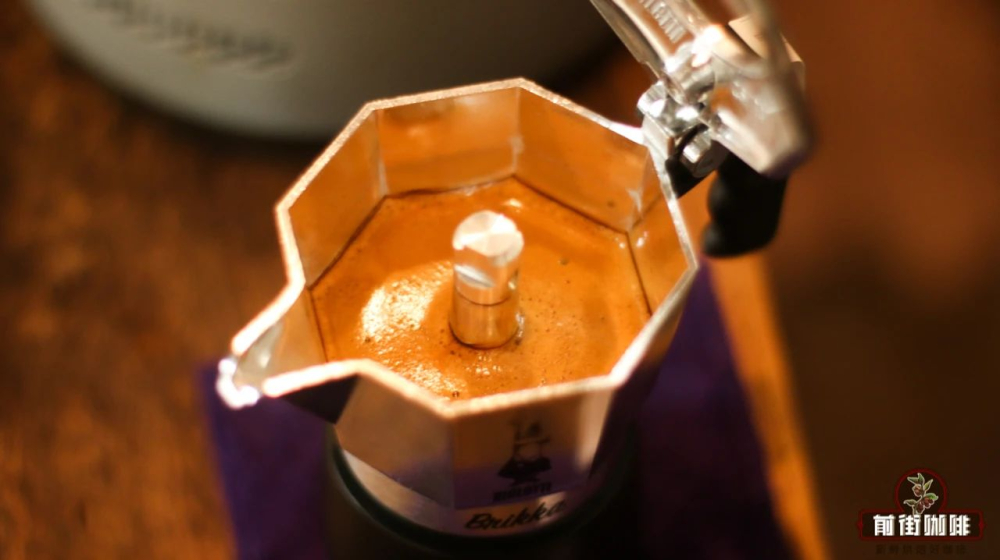
Many beginners using a Moka pot often get stuck on the grind size and dosing technique. Just how fine should the coffee be ground? What’s the right way to dose it—should you press it down firmly? These details actually have a direct impact on extraction performance and flavor.
First, let’s understand the Moka pot’s basic requirements for coffee particle size. The ideal particle size is around 0.3 to 0.55 millimeters . This range feels slightly finer than sugar but not as fine as flour—that is, slightly finer than pour over coffee, but a bit coarser than what a professional espresso machine uses. You can buy coffee specifically designed for Moka pots as a reference, or use a particle size ruler for actual measurement. If you don’t have tools handy, you can also get a feel for it through several trial brews. Usually, after three to five brews, you’ll gradually find the right grind size. If you notice the coffee flowing out too quickly, even gushing straight up like a fountain, it usually means the grind is too coarse. Conversely, if the water has boiled but the coffee isn’t dripping and you hear a gurgling sound inside the pot, it may be too fine—and you should immediately turn off the heat to avoid overheating.
So, when using a Moka pot, should you choose whole coffee beans or pre-ground coffee? The answer is: use whole roasted beans as much as possible. Because after roasting, coffee beans have an optimal flavor window of about 45 days , during which their aroma and complexity are richest. Once the beans are ground, their aroma quickly dissipates—not only diminishing the flavor, but also significantly reducing the crema. Therefore, for the best extraction, it’s recommended to buy whole beans and grind them just before use.
Next, let’s talk about another common question: do you need to tamp when dosing? Based on practical experience,you do not need to deliberately tamp the coffeein a Moka pot. Tamping too hard can make the coffee bed too compact, hindering water penetration, which not only reduces extraction efficiency but could also create dangerous pressure levels. Some users also worry that not tamping might cause channeling, leading to irregular spraying of coffee. In fact, as long as you use the correct dosing technique, you can avoid these issues while still extracting rich, crema-covered coffee.
The recommended dosing method is as follows: use your right hand to gently hold the filter basket, pour in the coffee, butdo not apply any pressure, keeping the coffee in a naturally fluffy state, forming a small mound that is slightly raised in the center—you don’t need to flatten it, as the filter lid on the top chamber already has a slight raised design. Then, align the top chamber vertically with the filter basket, screw it on securely, and remember to clean any leftover coffee grounds from the threads (ensuring the coffee fills all gaps). This dosing method helps the coffee puck maintain a compact structure after brewing, preventing it from loosening easily, and contributes to forming a rich crema.
If you find that the coffee liquid does not flow out even after prolonged heating, it’s usually due to one of two reasons: either the coffee was tamped too firmly, or it was ground too finely, preventing water from passing through the coffee bed. Both scenarios can cause abnormal pressure buildup in the lower chamber, affecting extraction and potentially damaging the Moka pot. If you notice the water has boiled but the coffee still hasn’t appeared, it’s recommended to immediately turn off the heat and move the pot away from the heat source—this is often accompanied by a burnt smell, and you’ll need to adjust the coffee amount and grind size before trying again.
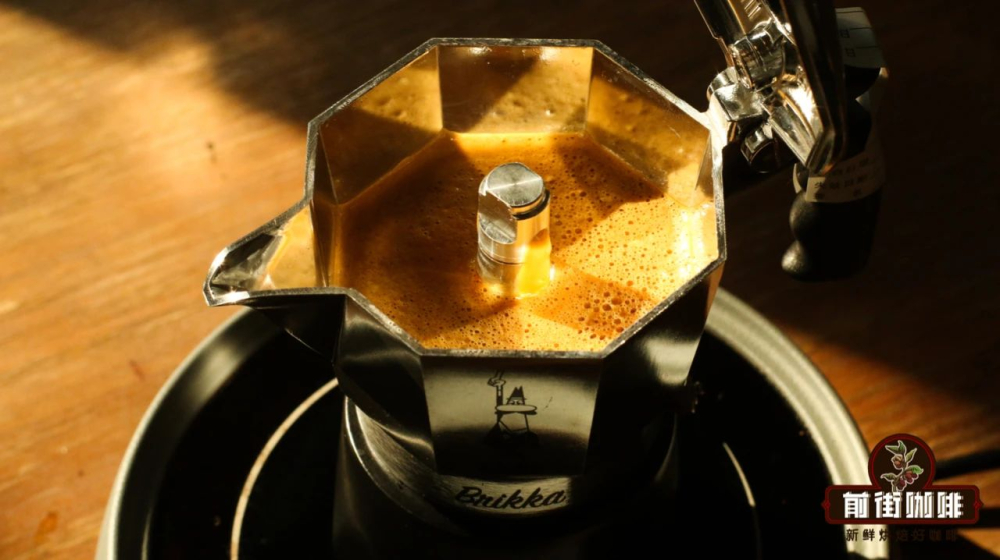
As for gushing, this is one of the most dangerous and common issues Moka pot users face. When coffee suddenly sprays out forcefully, there is not only a risk of scalding, but it also indicates possible blockage inside the pot or excessively high heat. To avoid this, make sure the water level in the lower chamber does not exceed the standard line, and it’s best to keep it about 0.5 centimeters below the pressure relief valve. The pressure relief valve is designed to release excess steam when pressure gets too high—if the water level goes above the valve, pressure may not release properly, increasing the risk of explosion.
The grind size needed for a Moka pot is generally finer than pour over coffee but slightly coarser than what a professional espresso machine uses. If the grind is too coarse, there’s insufficient contact between water and coffee, leading to under-extraction, weak flavor, and possibly splashing due to fast flow—posing a scalding hazard. When using a grinder like the EK-43s, you can adjust it to around #3 to #3.5. This grind feels similar to fine sugar, but is still finer than regular sugar.
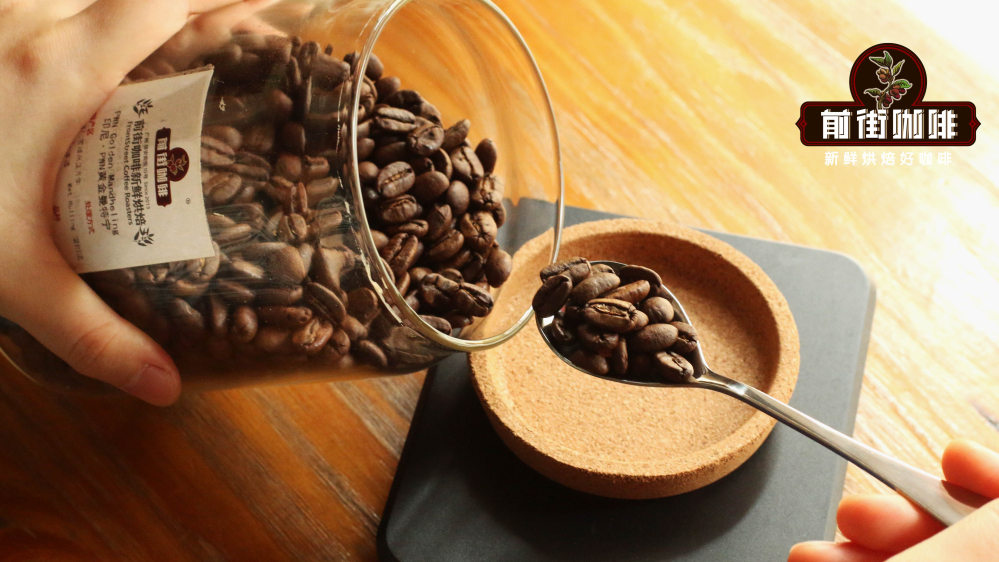
If the brewed coffee lacks crema, it may be due to the choice of bean variety or roast level. Coffee crema is closely related to roast depth and bean freshness. Typically,medium to dark roasts are more likely to release rich layers of crema under high temperature and pressure. In contrast, light roasts, although fresher in flavor, have a harder texture; if ground too fine in pursuit of higher extraction, they can produce sourness and astringency under high pressure, and the crema won’t easily form. Therefore, if you want coffee with rich crema, it’s recommended to choose medium to dark roast beans.
As for why coffee sometimes has a noticeable burnt bitterness? This is usually due to uneven extraction. Unlike professional espresso machines, which have even distribution through a shower screen, the Moka pot relies solely on a central tube for extraction. If the grind is too fine or the dose is too high, the liquid can get blocked and only flow from the looser areas around the edges. As a result, the coffee grounds in the center may be barely extracted, while the edges are over-extracted due to sustained high heat—leading to a final cup that is both burnt and unbalanced in flavor.
The above content is compiled by CoffeeHunters, a coffee news website.


