







Introduction:Both Indonesian Golden Mandheling and Jamaican Blue Mountain belong to the full-bodied coffee category, but their flavor profiles are worlds apart: one excels in spicy, herbal notes and intense mouthfeel, while the other emphasizes a balanced interplay of acidity, sweetness, and bitterness, paired with a silky texture. This article delves into the regional characteristics, processing methods, and roasting strategies of both coffees, and provides tested pour over parameters and flavor profiles to help you master brewing techniques precisely—so you can brew near-café-quality coffee at home.
Even within the full-bodied coffee type, Indonesian Golden Mandheling and Jamaican Blue Mountain exhibit distinctly different flavor directions. The former often presents pronounced spicy and herbal tones, with a rich and layered mouthfeel; the latter is known for its precise balance of acidity, sweetness, and bitterness, coupled with a smooth and velvety texture. If you’re a coffee enthusiast seeking deep flavor complexity, understanding the differences between these two classic beans will help you find the one that best suits your taste.
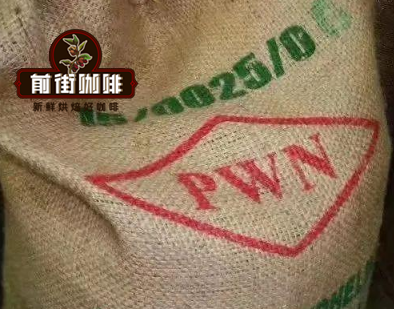
Among Indonesia’s many coffee-growing regions, Mandheling from the island of Sumatra is the most representative. Among them, Golden Mandheling is a premium selection produced by the Indonesian green bean supplier PWN, a brand that was an early pioneer in promoting this variety to the Japanese market. After completing the wet-hulled process, PWN’s Golden Mandheling undergoes three rounds of rigorous manual sorting, retaining only plump, flawless beans to ensure a uniform appearance in color and intact bean shape. Most of these beans are sized 18 mesh or above, with no more than 3 defective beans in a 300g green sample, meeting the highest Grade 1 (G1) standard. They appear dark green and uniformly shaped. It’s said that under sunlight, the surface of Mandheling beans emits a faint golden luster, which is the origin of the name “Golden Mandheling.”
The unique flavor of Mandheling coffee is inseparable from its use of the wet-hulling (Giling Basah) processing method. This technique involves removing the parchment layer while the beans still have a moisture content of 30%–50%, and then continuing the drying process. This significantly shortens the overall drying time to just two to four days, effectively suppressing acidity while enhancing body and caramel aroma, along with herbal, grassy, and woody notes, showcasing the distinctive regional character of Sumatra.
The specific steps of the wet-hulling process are as follows: first, the coffee cherries are depulped, and the parchment-covered beans are placed in a water container, where floating defective beans are skimmed off; next, the denser beans that sink to the bottom are briefly washed and then undergo a short dry fermentation to enhance flavor through the fermentation of pulp sugars. Fermentation times vary by processor, usually ranging from several hours, with some skipping this step to suppress acidity and boost mouthfeel thickness. Typical fermentation durations are around 12 to 36 hours; the parchment beans are then sun-dried for one to two days until their moisture content drops to 30%–50%, and the beans reach a semi-hard, semi-soft state. At this point, a hulling machine removes the parchment layer, and drying continues for about two more days until the moisture content reaches 12%–13%. The beans are then packed into 40kg or 80kg woven sacks and sent to processing facilities for de-pulping, taking about four days in total; finally, the de-pulped beans continue to sun-dry until their moisture content reaches 12%–15%, and are machine-sorted to remove impurities and graded by bean size.
Turning to Jamaican Blue Mountain coffee, its growing region is located in the Blue Mountains, named for the azure halo reflected from the mountain peaks onto the surrounding Caribbean Sea. The highest peak of the Blue Mountains reaches 2,256 meters, but only areas below 1,700 meters are suitable for coffee cultivation. This area boasts fertile volcanic soil, clean unpolluted air, a humid climate, and year-round foggy, rainy conditions, with an average annual rainfall of about 1,980 mm and temperatures around 27°C, all of which contribute to the unique flavor of Blue Mountain coffee and make it one of the most expensive coffees in the world. Authentic Blue Mountain coffee is grown only at elevations above 800 meters, and the beans supplied here come from the Clifton Estate at 1,310 meters altitude.
Regarding the definition of “authentic Blue Mountain coffee,” the Coffee Industry Board of Jamaica (CIB) stipulates that only beans grown at elevations above 2,200 feet (approximately 670 meters) in the Blue Mountains can be called Jamaican Blue Mountain. They are categorized by bean size into NO.1, NO.2, NO.3, and the hand-selected PB (Peaberry), with the basic criteria for NO.1 Blue Mountain green beans being 17 mesh or above, defect rate below 3%, and moisture content around 13%. Currently, all Blue Mountain coffee on the market comes with certificates issued by the Jamaican Coffee Board, including quality certification, authorized sales certificates from the producer, and certificates of origin. The Blue Mountain beans from this region are shipped in wooden barrels by nationally designated export companies and are Rainforest Alliance certified.
The processing method for Blue Mountain coffee was primarily the washed process before 2019: the fruit skin and pulp are first removed, followed by 12–18 hours of fermentation, during which friction between the beans and water flushing wash away impurities. The parchment-covered beans, with a moisture content of about 50%, need to be further sun-dried to 12–14% to prevent fermentation or spoilage, after which they are screened and stored. This method ensures that Blue Mountain coffee has a rich aroma and balanced taste, with no single flavor overpowering the rest. Starting in 2019, the Clifton Estate experimented with the natural (sun-dried) process, which altered some aspects of the flavor structure, but the washed process is still considered the best representation of the traditional flavor characteristics of the Blue Mountain region.
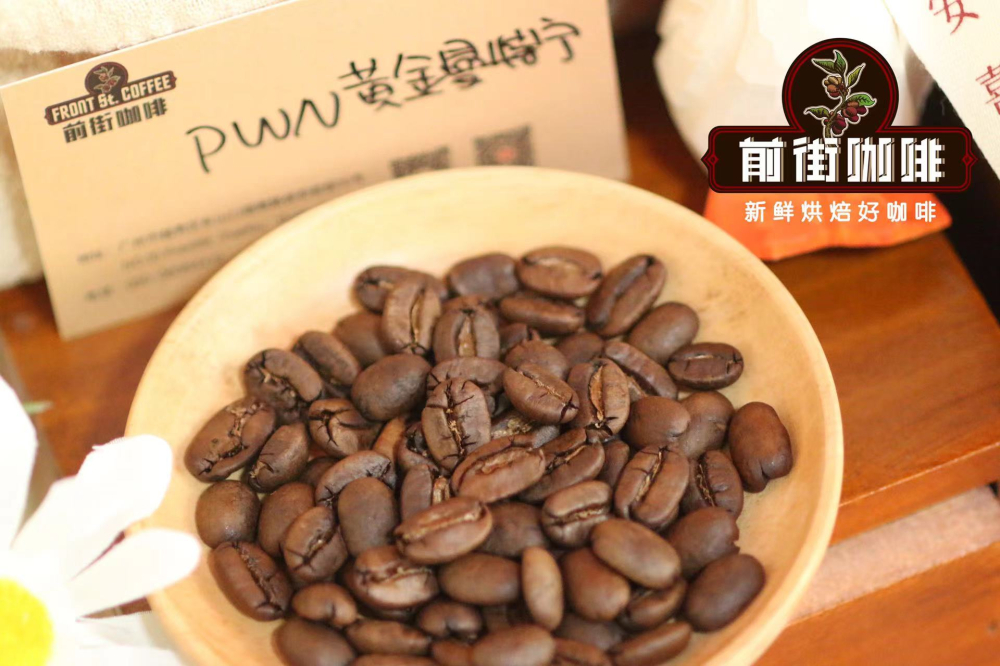
To highlight the herbal, spicy notes and full body of Mandheling, as well as the balanced acidity, sweetness, and bitterness along with the rich texture of Blue Mountain, some roasters adopt a medium-dark roasting strategy for both beans.
For pour over brewing, it is recommended to use a KONO filter cone, whose ribs extend only halfway up the cone. This design allows the cone to adhere tightly to the walls when wet, effectively restricting airflow and extending the water absorption time of the coffee grounds, thereby extracting a more even and full-bodied flavor. The recommended water temperature is 88–89°C, with grind size set to small Fuji Kyusu 4.5 (approximately the size of coarse sugar), and a coffee-to-water ratio of 1:15.
The specific brewing method is as follows: pour 30g of water for a 30-second bloom, then slowly pour in a circular motion until reaching 125g for the first pour. When the water level drops and is about to expose the coffee bed, continue pouring to 225g, then stop. When the water level drops again and is about to expose the coffee bed, remove the filter cone. The total extraction time should be controlled between 2 minutes 00 seconds and 2 minutes 15 seconds.
【Golden Mandheling Brewed Flavor Profile】: nuts, spices, herbs, licorice, chocolate, caramel; overall flavor is clean and gentle.
【Washed Blue Mountain Brewed Flavor Profile】: extremely clean and complex mouthfeel, silky and mild texture, prominent chocolate sweetness, excellent body, perfect harmony of sweetness, acidity, and bitterness, completely absent of bitterness, with only moderate acidity, and a long-lasting fruity aftertaste.
The above content is compiled by CoffeeHunters, a coffee news website.


