








Introduction:Many people regard the moka pot as an "affordable alternative to an espresso machine," but in reality, it still differs significantly from standard espresso in terms of extraction pressure, crema formation, and final flavor profile. This article delves into the differences between the two in terms of pressure mechanisms and extraction parameters, and through practical comparisons, explores whether the moka pot is suitable for making specialty drinks like lattes or Dirty coffees—helping you better understand the positioning and usage techniques of this classic brewing tool.
The moka pot has long been seen by many coffee enthusiasts as an economical choice for making espresso at home. Typically priced at just a few hundred yuan, it’s far more affordable compared to professional espresso machines that can cost tens of thousands. Additionally, it can brew highly concentrated coffee with a golden layer of crema-like foam on top, leading many to believe it can directly replace traditional espresso. However, the truth is not as simple as it seems.
First, let’s take a look at the difference in pressure.The extraction pressure of a typical commercial espresso machine is around 9 bar.This is the key to effectively extracting coffee crema and rich flavors. In contrast, even a dual-valve moka pot can only achieve a pressure of about3–4 bar—roughly two to three times less. This significant pressure gap directly affects the extraction efficiency and the final taste of the coffee.

The difference in pressure sources is also a major reason for the variance in performance. Espresso machines rely on built-in high-pressure pumps to forcibly push hot water through finely ground coffee, achieving high-concentration extraction in a short time. The moka pot, on the other hand, depends on steam pressure generated by heating water in the lower chamber to push water through the coffee grounds in the middle. This process is limited by the heat source strength, pot material, and structure, so the pressure naturally cannot compare to that of professional machines.
Even when using the same coffee beans—such as a dark roast blend consisting of Brazilian, Indonesian, and Vietnamese beans, which features prominent notes of chocolate, caramel, nuts, and cream, and is suitable for making Americanos or milk-based coffees—the performance in a moka pot versus an espresso machine is still noticeably different. Under the same conditions—20 grams of coffee, similar grind size (approximately 1.0 on the Galileo Q18 scale), and liquid yield (around 40 ml)—the coffee brewed with a moka pot is significantly less concentrated than standard espresso. Even extending the extraction time or reducing the heat doesn’t fully compensate for this gap.
In practice, the team recommends removing the moka pot from the heat source as soon as coffee starts flowing from the upper chamber to avoid over-extraction or bitter, burnt flavors. This is also a major operational difference compared to professional espresso machines.
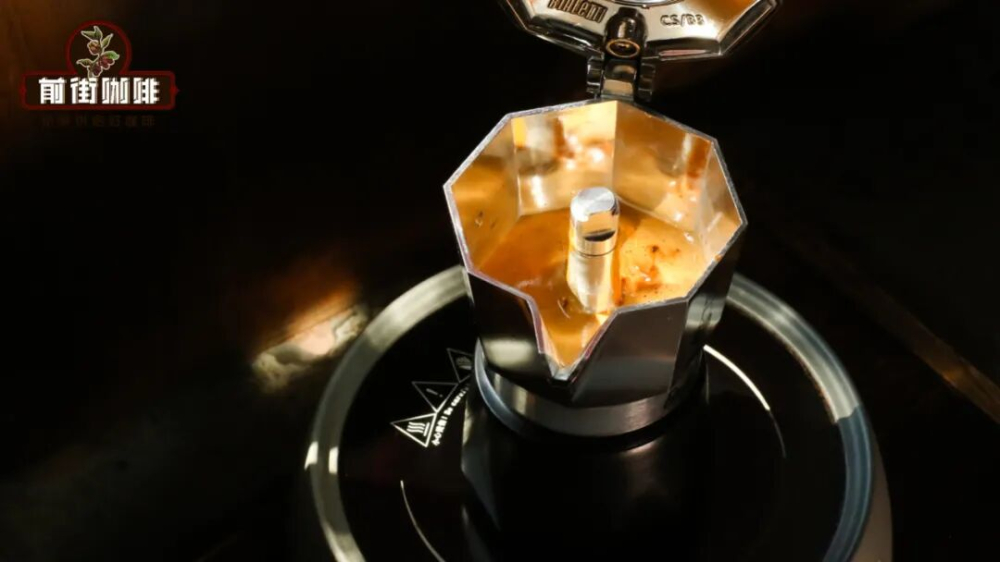
So, can coffee made with a moka pot be used to prepare common specialty drinks like lattes, cappuccinos, or Dirty coffees? The answer is yes, but with some technique adjustments. For example, when making a latte with standard espresso, the common coffee-to-milk ratio is 1:5, because the high-concentration base can still maintain distinct coffee flavors even after adding a large amount of milk. But if using moka pot coffee, which has lower concentration, it’s generally recommended to adjust the ratio to 1:4 to prevent the milk flavor from dominating and throwing off the overall balance.
Moreover, for drinks like Dirty that rely on the high concentration and crema layer of espresso to maintain layered effects, moka pot coffee is less capable. Although a layer of “crema” may be visible right after pouring, it’s mostly foam formed by valve pressure,and its stability is far inferior to the true crema formed by high-pressure extraction—it tends to dissipate quickly, affecting both visual appeal and flavor layering.
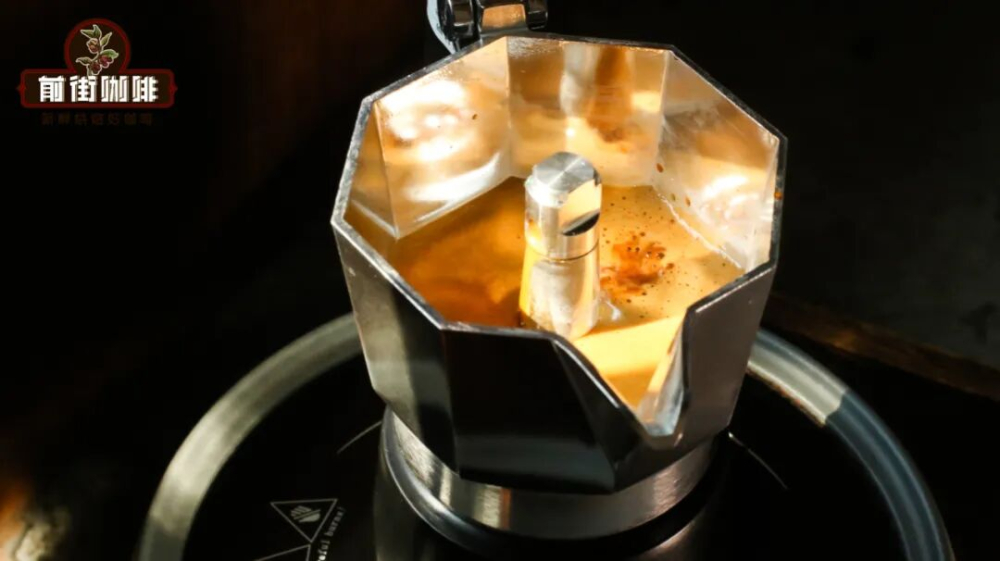
Overall, the moka pot and espresso differ significantly in extraction principles, pressure performance, and final flavor concentration. The moka pot cannot fully replicate the flavor intensity and crema stability of espresso, especially when making milk-heavy coffee or creative drinks that emphasize layering—the differences become even more apparent. However, it remains an extremely practical and easy-to-use home coffee tool, particularly suitable for beginners or daily users with limited budgets who want to enjoy concentrated coffee at home.
If you’re considering purchasing a moka pot or want to understand the actual differences between it and a professional espresso machine, we hope this article helps you gain clearer insight and choose the coffee brewing method that best suits you.
The above content is compiled by CoffeeHunters, a coffee news website.


