







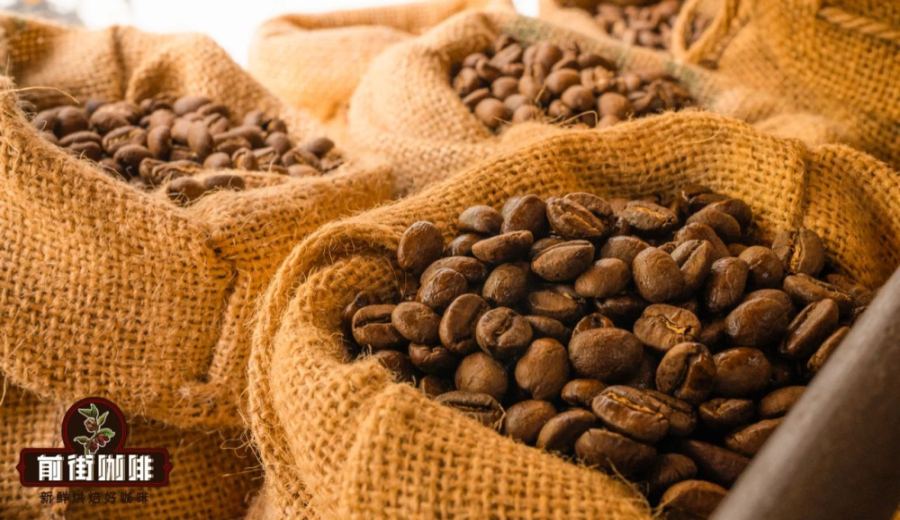
Introduction:Want to personally transform raw beans into aromatic roasted beans but don’t know where to start? This article details the key steps of home coffee roasting, from beginner-friendly equipment selection and heat control, to judging the roasting progress through color changes and first and second crack sounds. It specifically explains the characteristic differences between the first and second crack stages, as well as how different roast levels affect flavor complexity. Master these practical techniques, and you too can consistently roast coffee beans that suit your personal taste.
In recent years, more and more coffee enthusiasts have moved beyond simply brewing and wish to participate in the full transformation process from green beans to roasted beans. However, when freshly received green beans arrive at home, many people are at a loss when it comes to the roasting stage—what kind of tools should be used? How should the heat be adjusted? When should one pay attention to the sounds of the first and second cracks? This article will systematically explain the core essentials of home coffee roasting, helping you build basic judgment skills.
First, understand the flavor profiles of different roasting stages: light roasts typically retain more floral and fruity acidity as well as the original aromas of the green beans. As the temperature increases, medium roasts begin to develop caramelized flavors and a richer body, while dark roasts present intense chocolate and smoky notes. However, it’s important to note that over-roasting (such as continuing to heat after the end of the second crack) can easily lead to carbonization, not only causing severe nutrient loss but also producing noticeable bitter and astringent off-flavors.It is recommended that most users aim to stop roasting at the beginning of the second crack.。
Home roasting prioritizes equipment selection and stable heat control. Regardless of the method used, it is essential to continuously stir the beans and closely observe color changes. If you notice the color changing too quickly and unevenly, it usually indicates excessive heat or insufficient stirring frequency—in this case, immediately reduce the heat and temporarily move the heat source away to let the roasting vessel cool down before continuing. Conversely, if there is no obvious color progression after several minutes, you’ll need to moderately increase the heat intensity. The ideal state is when the beans show a uniform and gradual color transition, and combining this with auditory judgment is even more accurate.
The color changes of coffee beans follow a clear trajectory: starting from an initial greenish hue, gradually turning yellow, then cinnamon, brown, and finally dark brown. Key turning points occur during the two cracking stages: the first crack (first crack) occurs during the transition from yellow to brown, lasts for a short duration (about three to five pops), and marks the evaporation of internal moisture and the expansion of the bean’s cellular structure. Subsequently, during the transition from brown to dark brown, the second, more intense cracking stage (second crack) occurs, with sounds resembling continuous firecrackers and lasting for a longer period (up to two to three minutes). Observations show that,when the second crack has occurred about ten times, extinguishing the heat usually yields a balanced medium-dark to full-city roast result—at this point, the bean surface is dry and slightly shiny, with tiny oil spots scattered on the exterior.
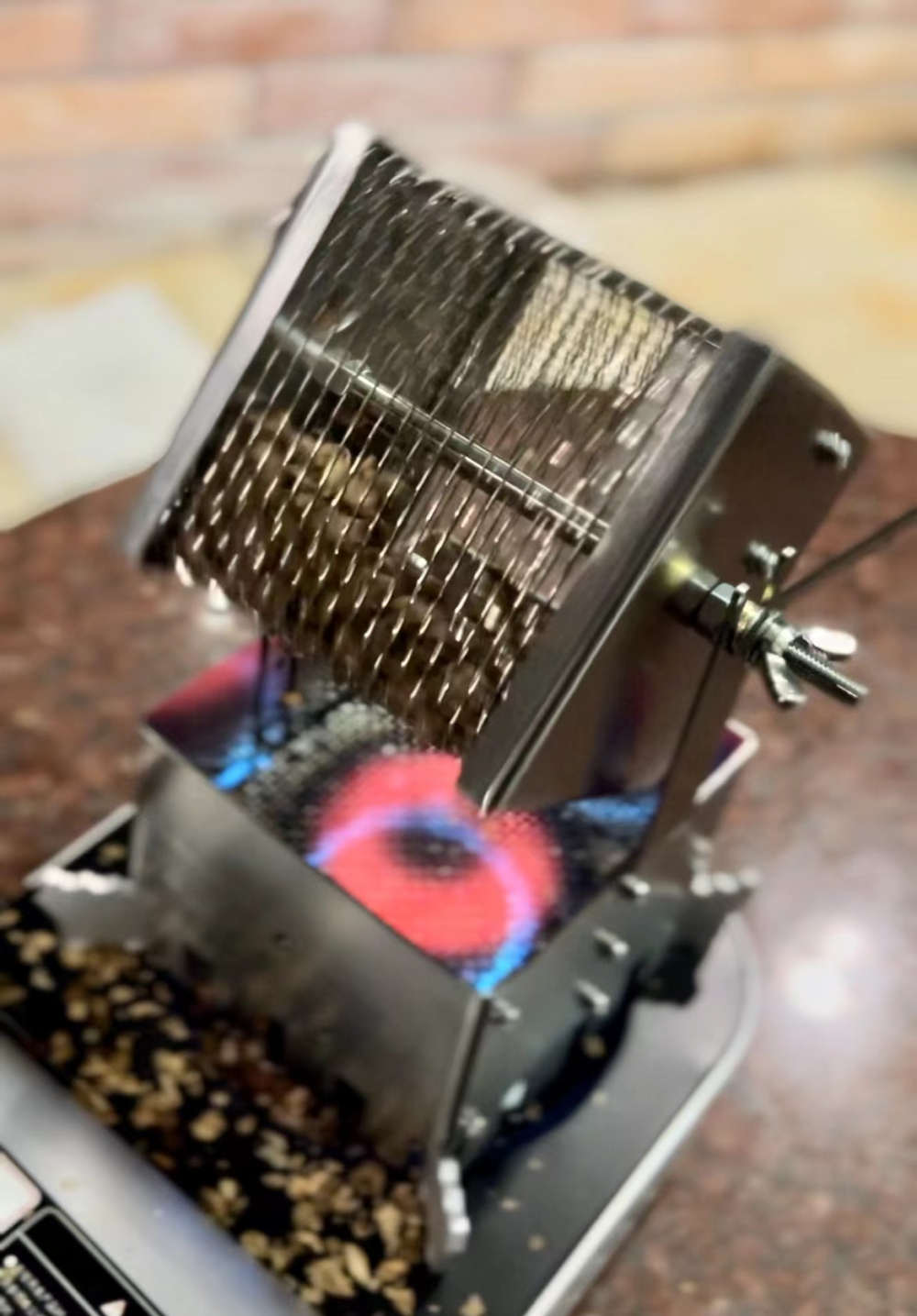
For home environments, three practical roasting methods are recommended. Professional-grade drum-style roasters are preferred: they simulate the rotating heating principle of commercial drum roasters (it’s recommended to maintain a rotation speed of 60 to 65 revolutions per minute), allowing for even heat distribution among the beans. When operating, it is crucial topreheat the heat source and stabilize the flame before starting the drum’s rotation, and compared to professional machines, this method takes longer (for example, a similar effect on Brazilian beans may take about 31 minutes). Traditional iron pan stirring serves as a low-cost alternative. Though it has issues with uneven heating, it is intuitive to operate—you must ensure the pan is thoroughly clean with no residual oils, and control the amount of beans used to between 100 and 200 grams. As for household ovens, due to the lack of active stirring, it is recommended to spread the green beans in a single layer and manually flip them at intervals to ensure even heat penetration.
There are several key details to pay special attention to during actual operation: regardless of the tool used, a low heat setting should be employed initially to avoid burning the outside while the inside remains raw. Drum roasting particularly emphasizesstarting the rotation mechanism while heating, as pausing midway can easily lead to localized scorching. When pan-frying, it is advisable to follow the temperature control principles used for frying food to maintain steady heat. Oven roasting requires strict prevention of bean stacking, which can create heat dead zones. In addition, the aroma changes of the beans throughout the roasting process are also an important reference—the scent transitions from an initial sweet corn-like aroma, gradually shifting to a caramel sweetness, and finally developing nutty or chocolate notes.
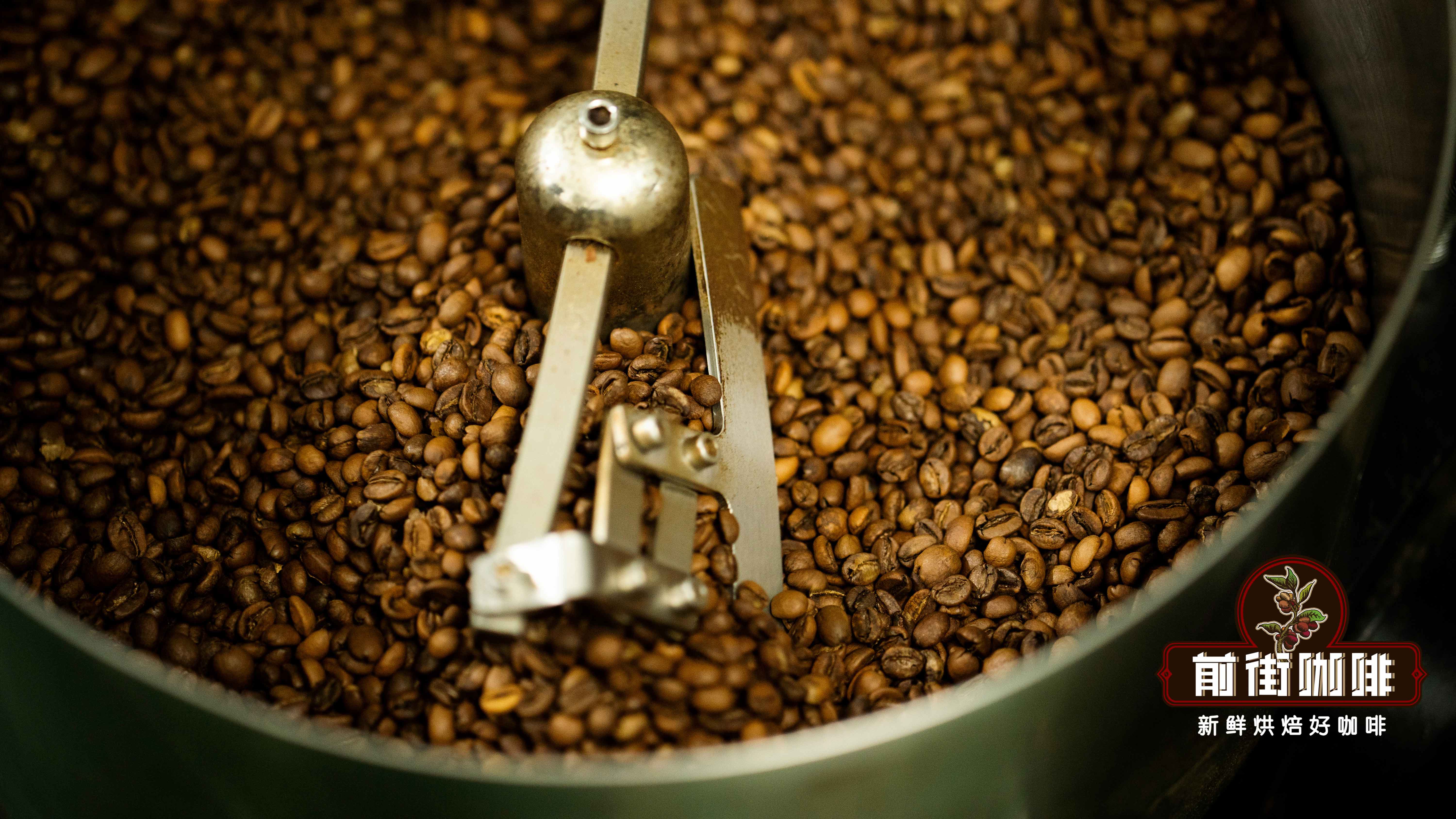
Regarding roast level selection, lighter roasts can highlight bright fruity acidity and floral qualities, making them suitable for pour over coffee that emphasizes a vibrant taste. Medium roasts balance acidity and bitterness, and are widely applicable across various brewing methods. Dark roasts enhance bold bitterness and a rich finish, but excessive carbonization can significantly reduce flavor complexity. Remember the core principle:the timing of stopping the heat depends on individual taste preferences, not fixed standards—by repeatedly practicing and observing the relationship between different stages of bean color, sound, and final brewing results, you can gradually establish your own roasting profile.
The above content is compiled by CoffeeHunters, a coffee news website.


