







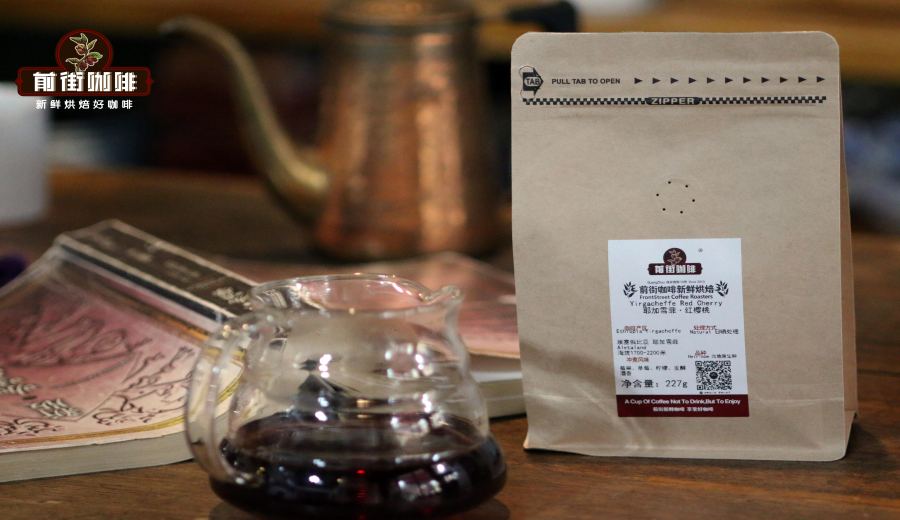
Introduction:Yirgacheffe is the gateway choice for many coffee beginners exploring specialty coffee. Its refreshing floral and fruity aromas and bright acidity break the stereotypical impression of coffee. This article delves into the historical background of Ethiopia’s Yirgacheffe region and how its natural conditions influence flavor, provides a detailed comparison of the characteristics of washed and natural processing methods, and includes practical pour over brewing parameter suggestions to help readers choose the Yirgacheffe coffee beans that suit their taste.
Yirgacheffe coffee, with its distinctive floral and fruity aromas and crisp acidity, has become the go-to choice for many coffee enthusiasts trying specialty pour over for the first time. These beans from Ethiopia completely overturn the conventional perception of bitter coffee, showcasing a soft yet layered flavor profile reminiscent of floral tea.
As one of the birthplaces of coffee, Ethiopia boasts unique geographical advantages. Its highland terrain and significant day-night temperature variations nurture a variety of distinctly styled coffee-growing regions. Among them, Yirgacheffe is not only renowned for its unique processing techniques but also holds a place in the global specialty coffee market due to its rich microclimates and refined cupping performance.
Originally just a small town in southern Ethiopia, Yirgacheffe was once part of the Sidamo region. As local washed processing techniques matured, the coffee produced here gradually exhibited distinct citrus, white floral, and honey-like sweetness notes, forming a clear and layered flavor profile. As a result, it became an independent and highly regarded producing region. Located in the Gedeo zone near large lakes, the area has abundant water resources, making it particularly suitable for washed processing.
Interestingly, the name “Yirgacheffe” comes from two words in the local ancient language: “Yirga,” meaning “peace,” and “Cheffe,” meaning “wetland.” Together, they imply “living peacefully on this calm wetland,” and even the name evokes the region’s natural ambiance.
According to the classification by the Ethiopian Commodity Exchange (ECX), in addition to the town of Yirgacheffe itself, nearby areas such as Wenago, Gelena Abaya, and Kochere also produce coffee with similar citrus, floral, and bright acidity profiles, which are categorized under the “Yirgacheffe flavor” umbrella.
In terms of processing methods, Yirgacheffe most commonly features washed and natural types, with notable differences in flavor profiles. Washed processing highlights the coffee’s cleanliness and acidity, making citrus, green tea, and jasmine floral notes more pronounced. In contrast, the natural method enhances the fermentation of sugars within the fruit pulp, giving the coffee richer tropical fruit, berry, and honey-like sweet aftertastes.
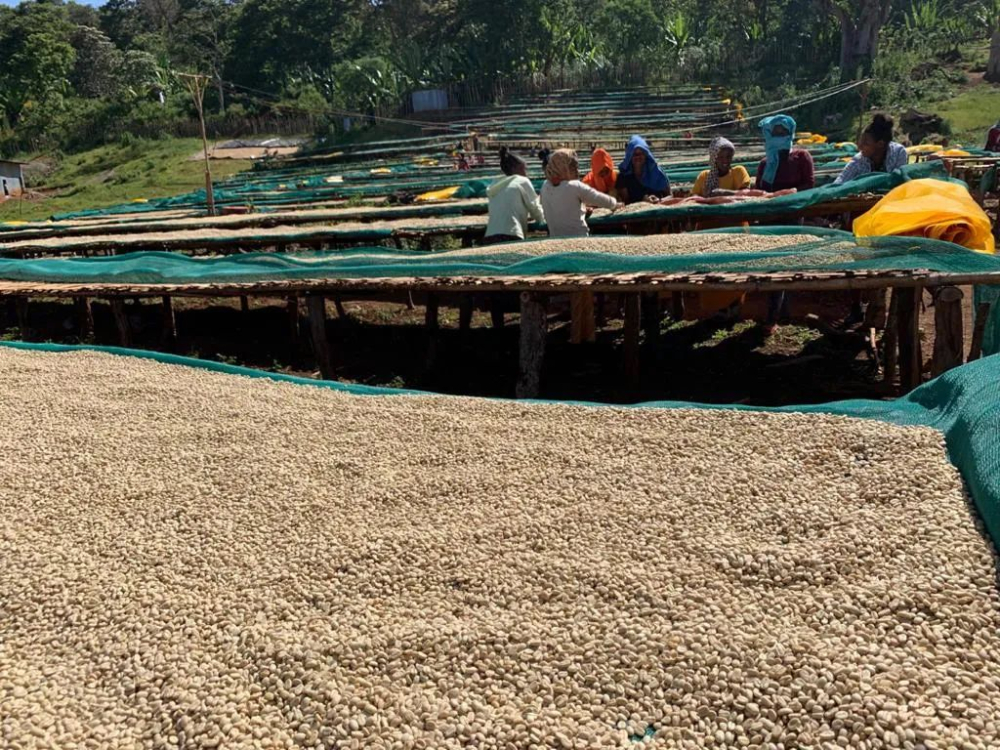
Washed Yirgacheffe typically exhibits distinct citrus aromas such as lemon and bergamot, paired with white floral notes like jasmine or lily. It has a clean and refreshing mouthfeel with bright acidity that is not overly sharp, often finishing with a light honey-like sweetness. This processing method involves rigorous steps such as pulp removal, fermentation, washing, and drying on raised beds—each step affecting the final purity of the flavor.
In contrast, natural Yirgacheffe presents more intense fruitiness and fermentation characteristics. Since the coffee cherries are dried directly with the pulp intact after harvest, the sugars and aromas within the pulp have more time to penetrate the seeds, often resulting in complex layers of blueberry, strawberry, mango, and even wine-like notes, with a richer sweetness. This type of coffee is especially suitable for drinkers who prefer bold body and fruity explosions.
Many well-known coffee cooperatives are located around Yirgacheffe, such as the Banko Gotiti cooperative, a small village in the Gedeo region renowned for its refined washed processing techniques. Originally part of the larger Worka cooperative, Banko Gotiti became independent in 2012 due to its outstanding washed quality control and consistent flavor performance, and has since become a highly respected production unit in the specialty coffee market.
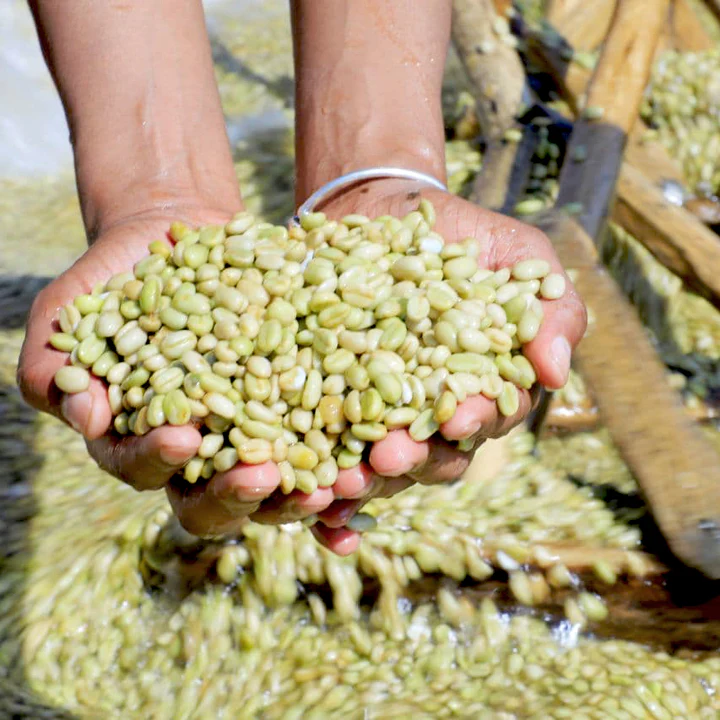
This cooperative strictly controls the timing of coffee cherry harvesting, selecting only fully ripe red cherries, and employs a traditional washed process: including pulp removal, fermentation and mucilage removal, multiple washes, and long-term low-temperature drying on raised beds. This method maximally preserves the coffee’s acidity and aroma while reducing the occurrence of defective flavors.
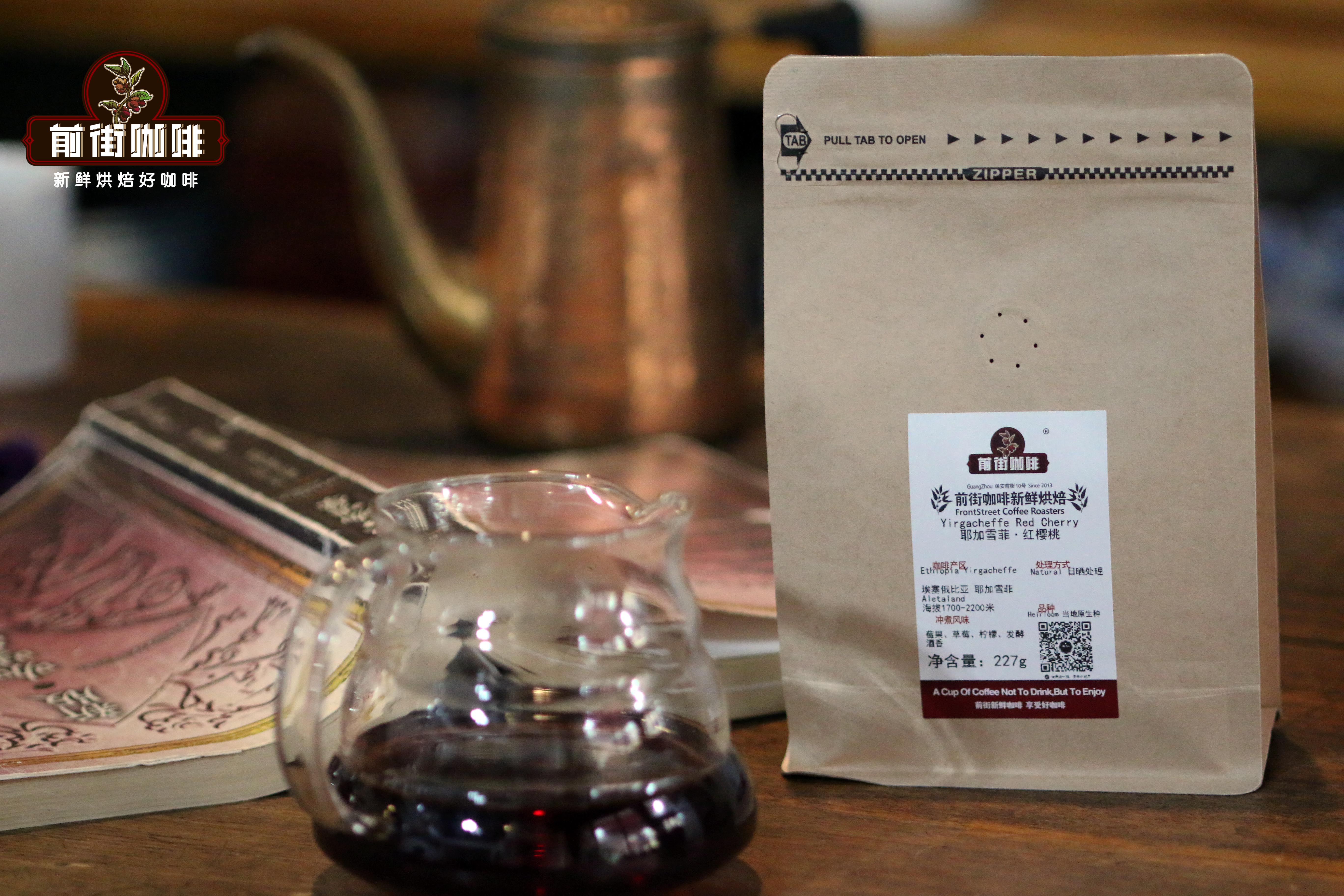
If you prefer Yirgacheffe with strong fruitiness and intense fermentation character, the natural-processed Red Cherry series is worth noting. These coffees often adopt strict standards of “harvesting only 100% ripe red cherries,” along with professional cupping selection, resulting in more consistent and layered flavor profiles, making them a recommended choice for advanced enthusiasts by many baristas.
When brewing Yirgacheffe, it is recommended to use beans with light to medium roast levels to fully showcase their bright acidity and complex aroma profiles. The optimal post-roast resting period is about 4 to 7 days; brewing too early may affect flavor performance due to incomplete degassing.
It is recommended to use a V60 filter for pour over brewing, with water temperature controlled at 92–93°C. The suggested powder-to-water ratio is 1:15, and grind size should be medium-fine (e.g., 78% passing rate through a Chinese standard No. 20 sieve, similar in size to fine sugar). Specifically, start by pouring 30 grams of water for a 30-second bloom, then add 95 grams of water (total weight approximately 125 grams), followed by another 100 grams of water (total weight approximately 225 grams) after about 1 minute. The overall extraction time should be controlled between 2 minutes 10 seconds and 2 minutes 30 seconds to achieve the best balanced taste.
In summary, Yirgacheffe coffee, with its diverse processing styles and distinct regional characteristics, offers choices that cater to both beginners and advanced tasters. From the fresh citrus of washed processing to the rich fruitiness of natural processing, this classic coffee from Ethiopia is truly worth savoring in detail.
The above content is compiled by CoffeeHunters, a coffee news website.


