








Introduction:Espresso is not just strong black coffee. From classic shots to flavored drinks like lattes and cappuccinos, each has unique flavors and brewing secrets. Understanding the basic recipes, ratios, and flavor characteristics of these espresso-based beverages not only helps you find options that suit your personal taste better but also allows you to deeply appreciate the essence of coffee culture. This article systematically breaks down common types of espresso drinks, including espresso, americano, latte, cappuccino, mocha, macchiato, and Dirty, to help you master the essence of each.
The diversity of espresso-based drinks far exceeds most people’s imagination. Starting from the most basic espresso, by adjusting the water amount, adding milk or foam, or even incorporating flavoring elements like chocolate and caramel, a rich variety of coffee drinks can be created, including americano, latte, cappuccino, mocha, macchiato, and Dirty. Mastering the ingredient composition, standard ratios, and flavor profiles of these drinks is an important starting point for exploring the world of coffee.

Among the many types of coffee, espresso is undoubtedly the most essential base. It uses extremely finely ground coffee powder, extracted with hot water at 92–94°C (about 9 bar pressure) in just 20–30 seconds, resulting in about 30 milliliters of highly concentrated coffee liquid. Its surface is covered with a thick, velvety layer of coffee crema—usually golden to dark brown in color—which not only affects the visual appeal but also significantly contributes to the overall aroma and mouthfeel. The thickness and uniformity of the crema are often key indicators of a good espresso.
The reason espresso serves as the foundation for many flavored drinks lies not only in its intense and concentrated flavor but also because it is the most direct way to showcase the intrinsic characteristics of the coffee beans. Traditionally, espresso is made using blends, combining beans from different regions to balance acidity, sweetness, bitterness, and saltiness while maintaining stable flavor performance. To achieve optimal extraction, professional coffee shops usually grind the beans to an extremely fine consistency and operate with a fixed dose (e.g., about 20 grams for a double shot) for standardized preparation.
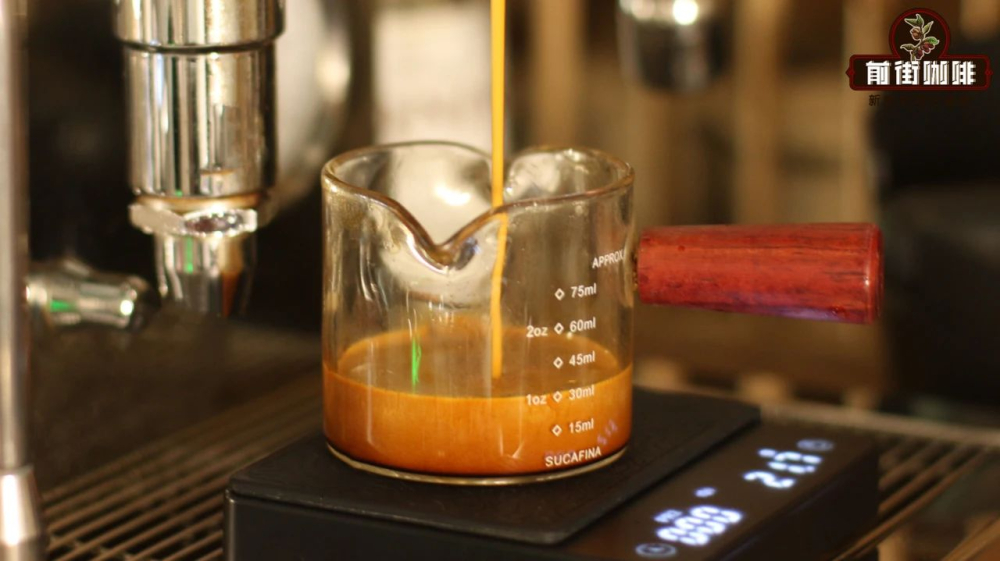
The most common type of espresso drink is, unsurprisingly, espresso itself. Typically made with dark roasted beans, high-pressure extraction releases intense smoky and rich notes, with a noticeable bitterness but layered complexity. For first-timers, it might be the most “bold” coffee they’ve ever tried, yet it’s also the foundation for many advanced flavor drinks. If the extraction parameters or coffee-to-water ratio of espresso are off, the resulting flavored drinks will also struggle to achieve ideal flavors.
Americano is made by diluting a standard shot of espresso with a large amount of hot water, typically at a ratio of 40 grams of espresso to 180 milliliters of hot water, yielding a total volume of about 220 milliliters and a strength ratio of about 1:4.5. This method of drinking is said to have originated during World War II when American soldiers stationed in Italy found espresso too strong and added water to dilute it. Today, Americano is one of the most widely consumed forms of coffee globally, suitable for those who enjoy the original flavor of coffee but are not accustomed to high-intensity bitterness.
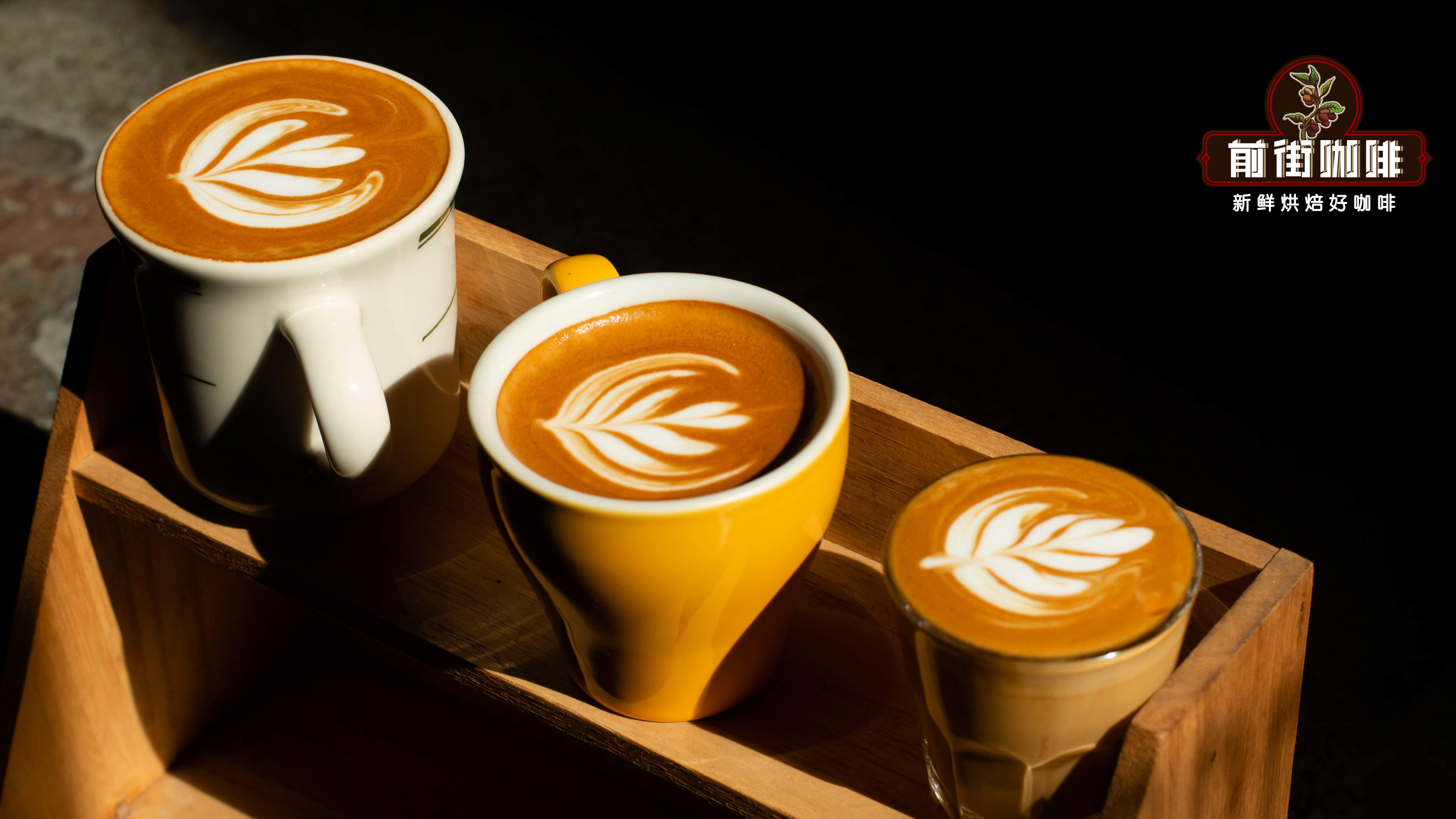
Latte, which means "milk" in Italian, internationally refers to coffee drinks that include hot milk and foam. The standard latte ratio is typically 1/5 espresso, 2/5 hot milk, and 2/5 foam, offering a mild taste with prominent milky aroma. In practical operations at some coffee shops, a double shot (about 40 grams) is used as the base, paired with 260 grams of hot milk and about 1 centimeter of dense foam, making it perfect for latte art. Additionally, flavorings such as vanilla, caramel, or cinnamon can be added according to personal preference to create flavor variations.
Cappuccino also consists of espresso, milk, and foam, but its ratio is 1/3 espresso, 1/3 hot milk, and 1/3 foam, resulting in a higher proportion of foam and a richer mouthfeel. Its name originates from the brown robes worn by Capuchin monks in Italy, as the color layers of coffee, milk, and foam resemble the garment. When making it, a tulip-shaped cup of about 180 milliliters is commonly used, with the espresso poured into the cup first, followed by slowly pouring the evenly whipped foam and hot milk to allow for a natural color transition and balanced flavor.
Mocha is the top choice for those who love chocolate flavors. Its basic composition is 2/5 espresso, 2/5 hot chocolate, and 1/5 hot milk, perfectly blending the richness of coffee with the sweetness of chocolate for a smooth and indulgent taste. Some recipes also add whipped cream as a garnish. One coffee shop recommends using 40 grams of espresso, 20 grams of chocolate syrup, and 260 grams of hot milk to create a classic mocha with rich layers.
Macchiato, meaning "mark" or "stain" in Italian, traditionally served to distinguish a pure espresso from one with a small amount of milk, involves "marking" the espresso surface with a small amount of foam. Modern macchiatos typically consist of 40 grams of espresso topped with a spoonful of fine foam, offering a concentrated taste with distinct layers—you can savor the boldness of the coffee along with the subtle softness brought by the foam.
Caramel Macchiato, although similarly named, is actually a completely different drink, commonly found in chain coffee brands. A standard medium cup is about 355 milliliters, containing about 30 milliliters of espresso, with the rest being a large amount of hot milk, vanilla syrup, foam, and caramel sauce. The overall flavor is sweet and is especially popular among those who love rich, sweet aromas. When making it, attention should be paid to the thickness of the foam and the way the caramel sauce is drizzled to ensure clear layers and a smooth texture.
Dirty coffee has gained widespread popularity in recent years, characterized by its cold-hot contrast and visual layering. Unlike an iced latte, Dirty emphasizes drinking without stirring, allowing you to experience the flavor transition from the hot espresso to the cold milk. The standard ratio is 40 grams of espresso and 150 grams of iced milk. When preparing it, the espresso is poured directly onto the surface of the iced milk, with the spout held about 1 centimeter above the liquid surface to let the coffee slowly seep through and float on top, creating a unique “dirty” layered effect. It’s a creative coffee that offers both visual and flavor experiences.
The above content is compiled by CoffeeHunters, a coffee news website.


