







Introduction:Understand the science behind coffee bean roasting and how different roast levels influence flavor profiles. This article provides an in-depth analysis of eight common roast levels—from very light roast to espresso roast—explaining how each affects aroma, sweetness-acidity balance, and mouthfeel. Real-world examples illustrate the characteristics of each roast level to help you find the coffee beans and brewing method that best suit your taste.
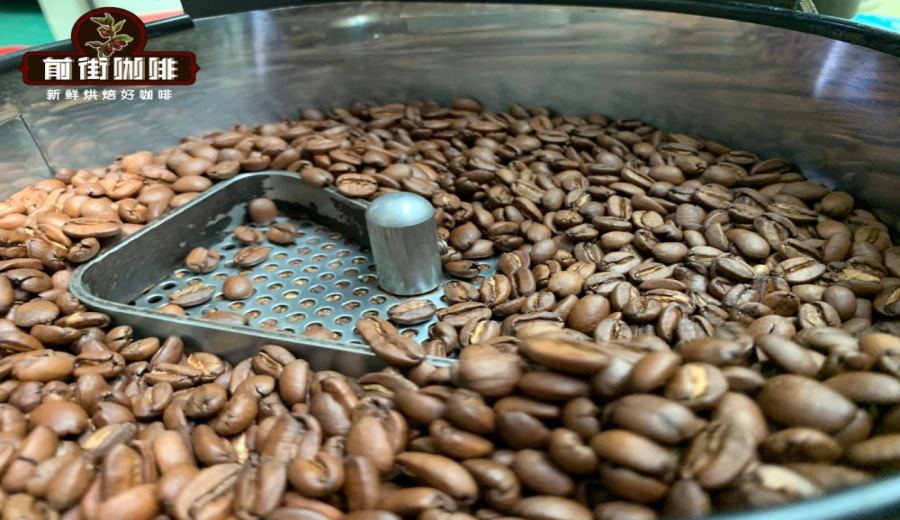
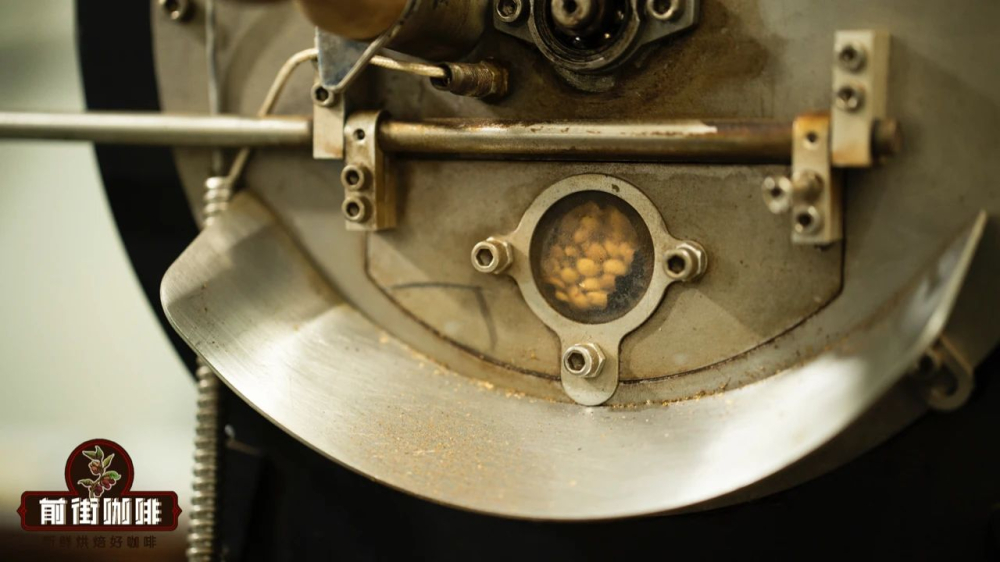
Roasting coffee beans is a complex chemical process and the crucial step that transforms hard, raw beans into an aromatic beverage. Under the right application of heat, the starches in green beans gradually break down into simple sugars and acidic compounds, while cellulose begins to carbonize as temperatures rise. Meanwhile, moisture and carbon dioxide are slowly released, and proteins transform into enzymes that bind with residual fats, eventually forming a thin oily layer on the bean surface—this is why dark roasted beans appear glossy.
During roasting, coffee beans expand much like popcorn and may even emit popping sounds. However, due to the toughness of the bean’s outer layer, they usually don’t crack open completely like popcorn. These physical and chemical changes not only alter the beans’ color but also directly impact the final coffee’s hue, acidity-bitterness ratio, and overall flavor profile. Based on roast depth, they can be broadly divided into eight main levels, from very light roast to dark espresso roast, each with unique characteristics and suitable applications.
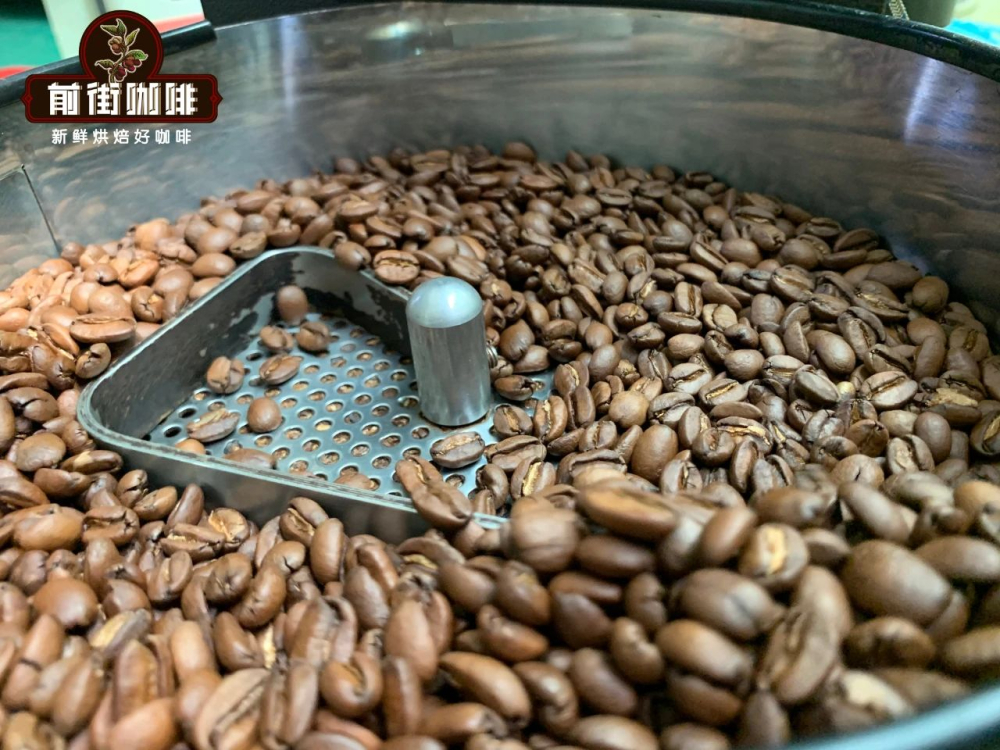
Roasting, at its core, is the process of applying heat to trigger a series of sequential chemical reactions within the coffee bean. Initially, the primary carbohydrate in green beans—starch—breaks down into sugars and acidic components under high temperatures. These substances are among the key contributors to a coffee’s acidity and sweetness. Additionally, structural components like cellulose gradually carbonize with temperature, affecting the beans’ appearance and texture. Simultaneously, moisture and carbon dioxide are released, while original proteins convert into enzymes, further interacting with fat molecules to eventually form a shiny exterior on the beans.
Roasted coffee beans often display distinctly different colors, which depend not only on the bean variety but more critically on the roast level. Simply put, roast level is akin to heat control in cooking. For example, common charcoal-roasted coffee often falls under French roast—a very dark roast that may involve high temperatures or prolonged roasting time, or both—resulting in beans with a deep brown or even carbon-black hue. Such coffees typically have pronounced bitterness, which doesn’t solely come from caffeine but more from the heavily carbonized bean material itself.
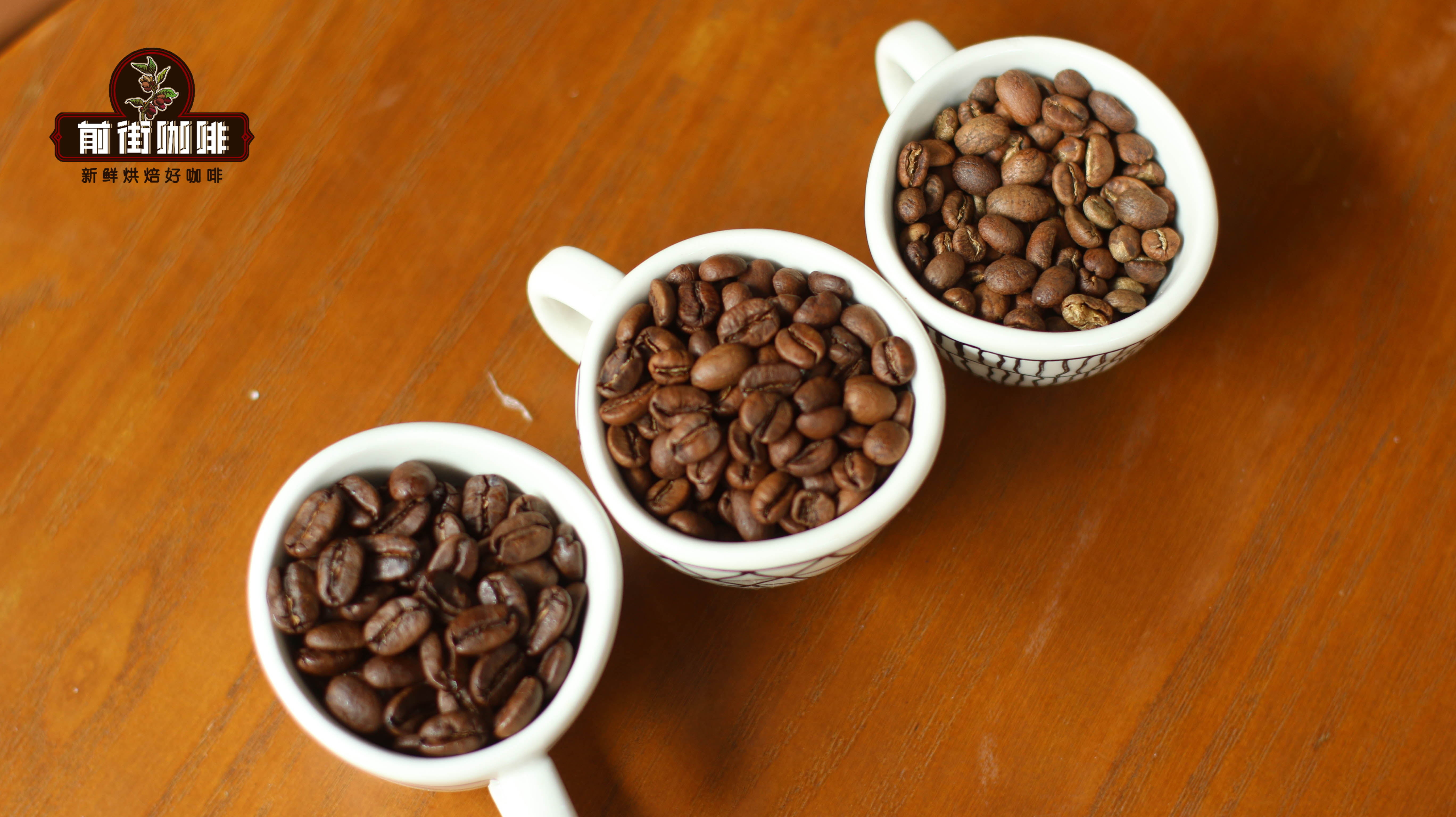
Generally, coffee roasting can be subdivided into the following eight levels:
1. Very Light Roast (Light Roast)
This is the lightest roast level, where beans exhibit a pale yellowish-brown color. The overall aroma and intensity are relatively mild, often used as a reference standard for understanding initial roast stages.
2. Light Roast / Cinnamon Roast
Beans at this roast level show a light brown color similar to cinnamon. The aroma is more pronounced than in very light roast, and the taste is relatively refreshing. For those wanting to experience a light roast coffee, washed-processed beans are recommended, as they typically showcase bright citrus acidity and soft floral notes.
3. Medium Roast
The beans present a uniform chestnut-like brown color. Acidity and bitterness reach a preliminary balance, and the flavor profile becomes richer than in light roast. The aroma is fresh and the taste is smooth, making it highly suitable for pour over or Americano preparation. Beans at this roast level can also be used with various brewing devices. Common aromas include blueberry, raisin, fruit gummy, and rose.
4. Medium-Dark Roast (High Roast)
At this stage, beans turn to a tea-brown hue. Aroma and color presentation become more balanced, with bitterness slightly stronger than acidity, resulting in an overall steady profile. This roast suits drinkers who prefer a rich yet nuanced cup. Common aromas include cream, peanut, toasted bread, and nuts.
5. Dark Roast / City Roast
Beans maintain a tea-brown tone, with a good balance between acidity and bitterness. The overall taste is bold and features distinct roasty aromas. This roast level is ideal for those who do not favor prominent acidity. Common flavors include dark chocolate, caramel, and toasted bread, offering high body and intense taste.
6. Very Dark Roast / Full City Roast
Beans at this stage appear dark brown-black. Acidity nearly disappears, with bitterness taking the lead. This roast is suitable for making iced coffee, delivering a bold and low-acid drinking experience.
7. French Roast
Beans are dark black-brown in color. Due to high-temperature roasting, internal oils rise to the surface, giving the beans a glossy appearance. This roast level features very strong bitterness and roasty aroma, often used in intense beverages like café au lait.
8. Espresso Roast (Italian Roast)
This is the deepest roast level. Beans are almost black, with extremely strong bitterness and a very full-bodied taste, making it the preferred choice for making espresso and cappuccino.
The above content is compiled by CoffeeHunters, a coffee news website.


