








Introduction:Colombian coffee is renowned worldwide for its balanced and delicate flavors, making it a top choice for many coffee enthusiasts. This article will delve into the characteristics of Colombia’s main producing regions, the evolution of classic coffee varieties, diverse processing methods, and recommended brewing parameters for different methods — helping you fully grasp the essence of this South American coffee powerhouse from origin to cup.
As the world’s third-largest coffee exporter, Colombia produces Arabica beans with rich flavor layers and excellent balance, thanks to its unique volcanic soil and family-based farming model. From the southern Huila department to the northern Santander region, locally grown varieties such as Caturra, Castillo, and Sidra, under varying altitudes and processing methods, showcase captivating notes of berries, nuts, caramel, and floral tones.
Colombia is not only the world’s largest exporter of washed Arabica beans, but its coffee is also highly praised in the market for its smooth mouthfeel and remarkable consistency. This is attributed not only to the high-altitude environment of the Andes Mountains, but also closely tied to the tradition of hand-picking and careful cultivation maintained by local farmers. The mineral-rich volcanic soil, combined with moderate shade cultivation and slow maturation conditions, allows the coffee beans to accumulate a wealth of flavorful compounds.
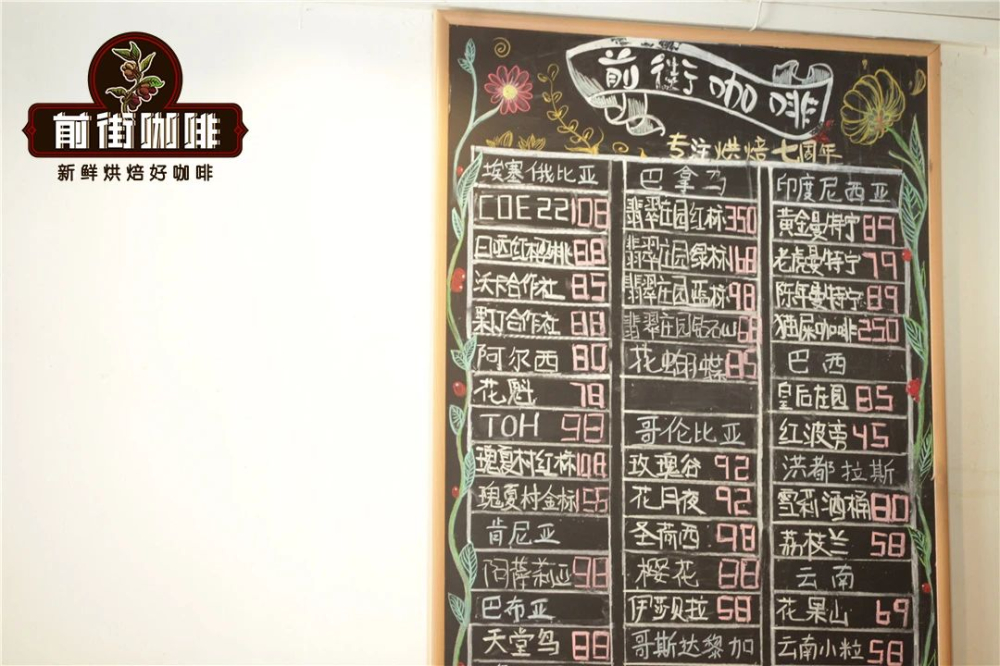
Located in the northwest of South America, Colombia’s terrain is dominated by the north-south-running Andes Mountains, with fertile volcanic soils in the foothills providing an ideal environment for coffee cultivation. Coffee growing in the country dates back to 1808 when missionaries introduced it from Venezuela, and today it has become a key supplier in the global specialty coffee market. Especially in southern departments such as Huila, volcanic ash left after the eruption in 2008 has provided rich nutrients for local coffee trees, nurturing premium beans that are large in size (often reaching 17+ mesh) and complex in flavor.
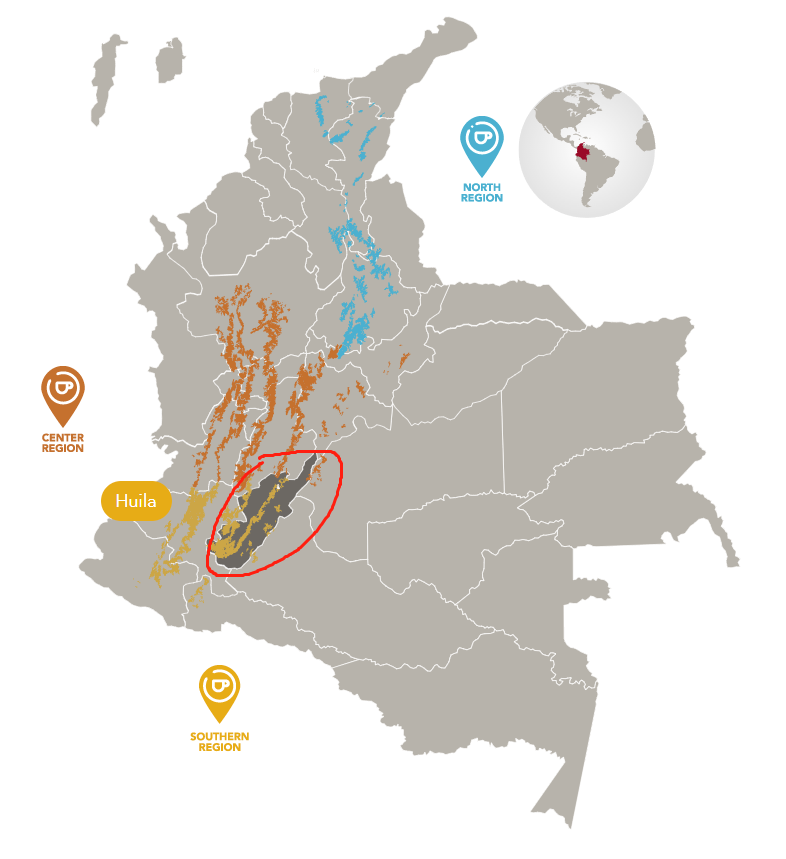
Colombia’s coffee harvest seasons vary by region and can be divided into three major zones throughout the year: northern, central, and southern. The seasons in the south and north are more distinct, while the central region has two main harvesting periods due to its geographical diversity. The primary harvest season runs from October to January of the following year, while the secondary season occurs from April to July. Notably, due to climate differences between the north and south, harvests among regions are often staggered, allowing Colombia to export fresh coffee almost all year round. For instance, high-altitude areas in the south such as Huila, Cauca, and Nariño mainly harvest in the summer months from March to June, while central-northern areas like Quindío typically peak in autumn, from September to December.
Colombia boasts a diverse array of coffee varieties. In addition to common ones like Caturra, Bourbon, Typica, and Pacamara, it has cultivated several disease-resistant native varieties. Among them, Castillo, Tabi, and the Colombia variety are the most representative leaf-rust-resistant cultivars. The Colombian Coffee Research Center (CENICAFE) has been committed to variety improvement since the 1960s, launching its first rust-resistant variety, Colombia, in 1982, followed by Tabi in 2002 and Castillo in 2005. These varieties not only offer strong resistance to diseases but also maintain the excellent flavor qualities of Arabica coffee. In addition, some regions also grow rare varieties such as Geisha, Mocha, and Eugenioides, adding further diversity to coffee flavors.
In terms of processing methods, Colombia primarily employs washed processing, mostly carried out by smallholder farmers in their own small-scale processing stations. A typical process involves using specially designed Ecomill or Eco-Pulper machines to remove the skin, pulp, and most of the mucilage, then soaking the parchment beans in cement tanks or stainless steel buckets for overnight fermentation. Finally, the remaining mucilage is rinsed off with clean water. The drying phase is adjusted according to weather conditions: favorable weather calls for sun drying or shaded drying on raised beds, while rainy conditions lead to the use of mechanical dryers set around 50°C to ensure the green beans maintain an ideal moisture content of 11–12%.
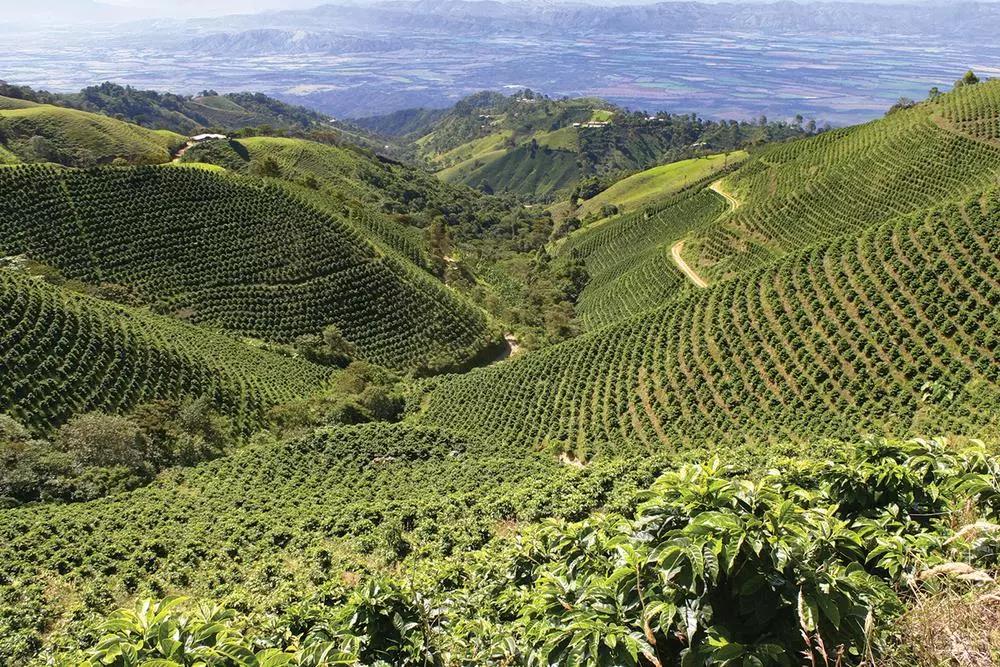
Colombia’s main specialty coffee-producing regions are concentrated in high-altitude areas of the south, including departments such as Huila, Cauca, Nariño, and Tolima. These regions generally sit above 1,500 meters in altitude and produce coffee known for bright acidity, rich berry notes, and robust caramel sweetness. Among them, Huila is considered the flagship origin for Colombian specialty coffee. Local farmers have recently adopted micro-lot production and refined processing methods, creating several award-winning beans in international competitions. Central regions such as Antioquia and Quindío are known for balanced and mellow flavor profiles, appealing to those who prefer more moderate taste characteristics.
The grading system of Colombian coffee is primarily based on bean size, using a classification of Supremo (largest), Excelso (medium), and Extra (smaller). Among these, Supremo is the highest grade, with beans usually exceeding 17 mesh and offering more pronounced flavor profiles. Excelso is commonly found in commercial trade, representing a balance between quality and cost. It’s worth noting that Colombian coffee grading reflects only bean size and not flavor quality; actual cup quality still depends on factors like origin, variety, and processing method.
For coffee enthusiasts, it’s recommended to use freshly roasted Colombian beans (ideally within 5 days post-roast) to fully experience their nuanced flavor complexity. A medium roast level (e.g., grind size achieving 75% extraction through a Chinese No. 20 standard sieve) can balance acidity and body. It’s recommended to brew with 90°C water using the pour-over method. Practical V60 three-stage extraction parameters are: 15 grams of coffee grounds, a 1:15 coffee-to-water ratio, the first stage with 30 grams of water for a 30-second bloom to form a dome, the second stage with 95 grams of water, then after the bed descends, adding 100 grams of water until dripping is complete. Maintaining a slow, centered pour throughout helps achieve even extraction and highlights the distinctive berry aroma and caramel finish unique to Colombian coffee.
The above content is compiled by CoffeeHunters, a coffee news website.


