








Introduction:From the highlands of Africa to Central and South America, each coffee-growing region boasts unique flavor profiles shaped by its terroir. This article selects representative beans from six classic global coffee regions, delving into the bright citrus acidity of Ethiopia’s Yirgacheffe, the bold berry notes of Kenyan beans, and the rich balance of Jamaican Blue Mountain. It also details each region’s altitude, processing methods, and grading systems, helping you identify your ideal coffee bean based on flavor characteristics.
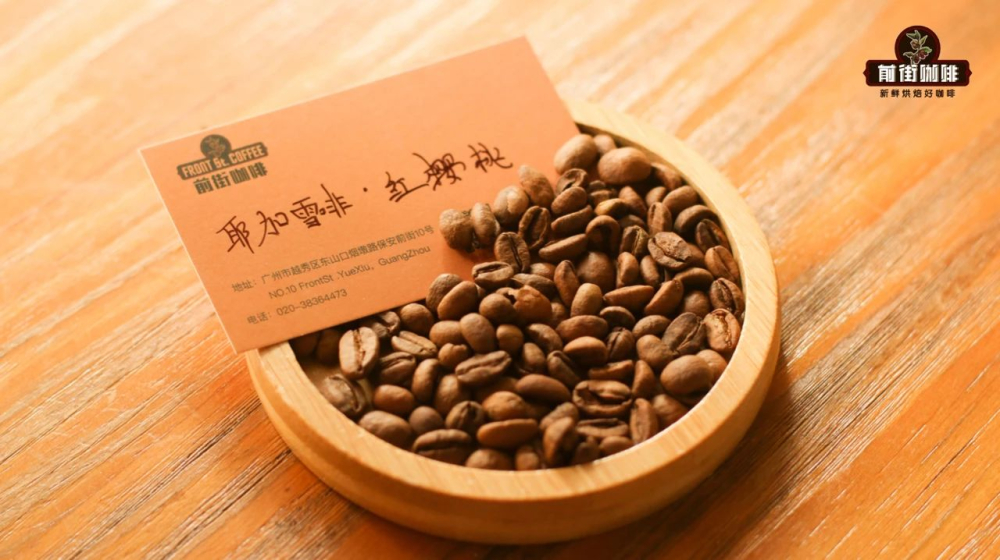
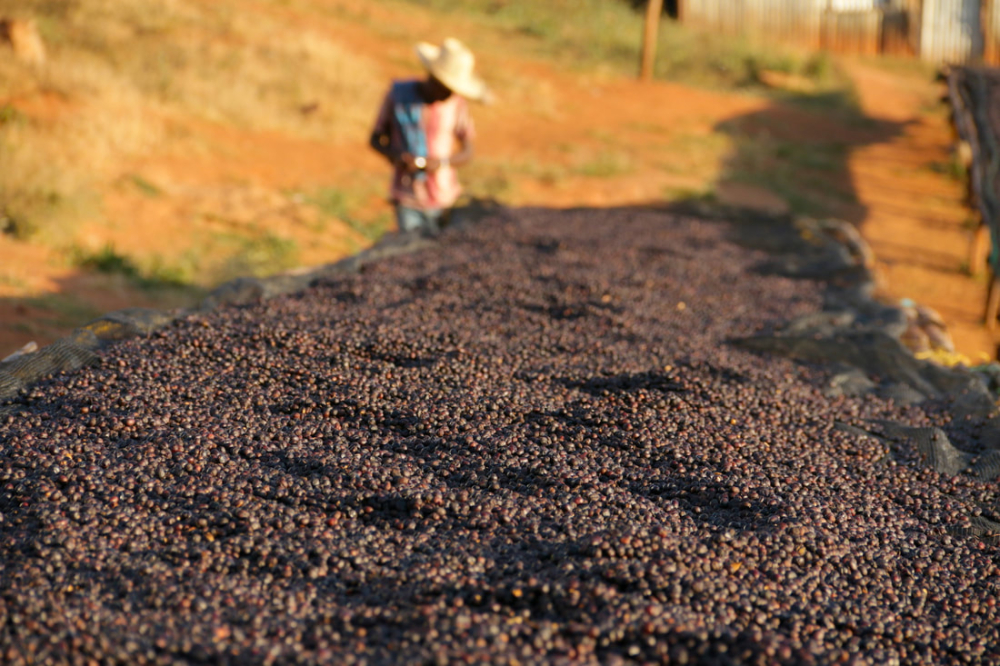
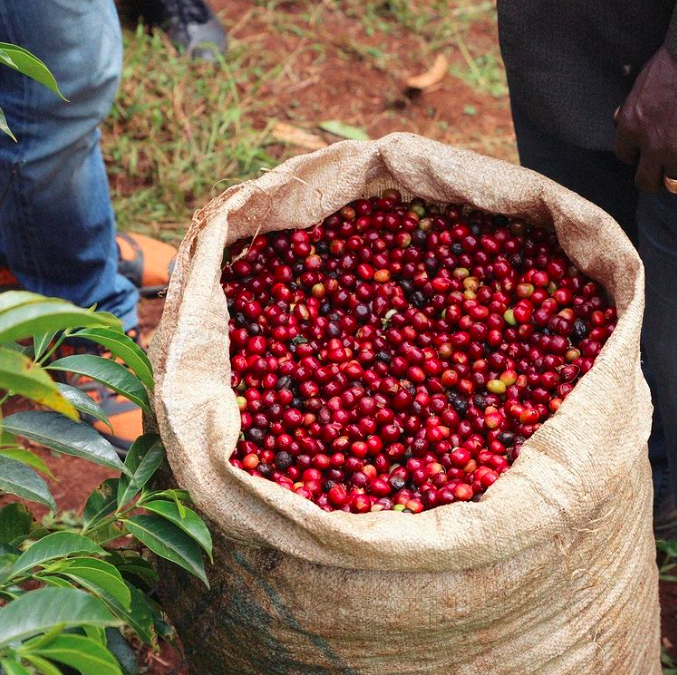
The global specialty coffee market is thriving, but newcomers often feel overwhelmed by the wide array of regions and processing methods. Take Ethiopia’s Yirgacheffe, for example, nestled in a highland town encircled by Lake Turkana at altitudes of 1700–2100 meters. Thanks to its significant diurnal temperature variation and abundant moisture, this region produces some of the world’s most renowned citrus-forward coffees.Red Cherry Projectis a key initiative that has elevated local quality standards. It requires farmers to harvest only fully ripe red cherries and employs traditional sun-drying methods to preserve raisin-like and fermented winey aromas, ultimately delivering layers of lemon, licorice, and caramel.
East Africa’s Kenyan beans are famed for their unique K72 washed process, where 72 hours of extended fermentation creates intense acidity. The country’s distinctiveSL28 and SL34 varieties, originating from the Scott Laboratories, feature SL28 with bright Bourbon-line acidity and SL34 with a smoother, Typica-like character. The grading system is rigorous, with AA-grade beans having a screen size of 17 or above and a defect rate below 3%. Paired with aromas of cherry tomatoes and berries, these beans offer a pronounced juiciness and tea-like aftertaste.
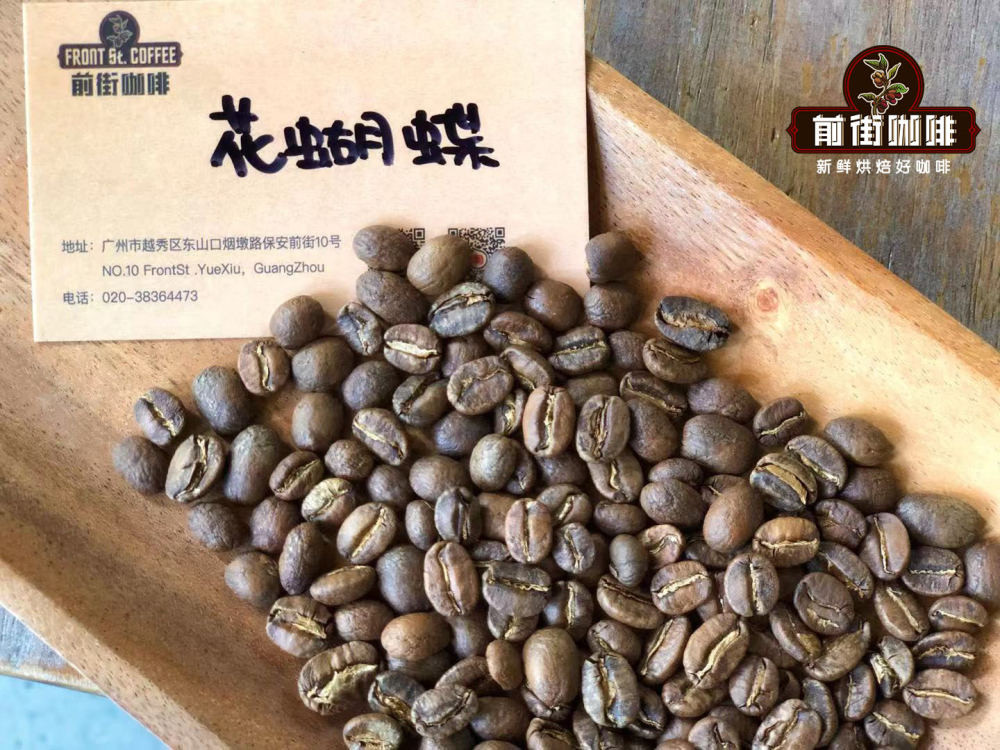
In Central America, Panama’s Geisha-dominant blend, such as the Geisha-dominated Flower Dance, showcases another flavor strategy. Blending 70% Geisha with Caturra and Catuai, it highlights the refreshing notes of black tea and citrus through washed processing.The Sica mill at 1550–1750 metersstrictly controls moisture content at 12%, resulting in a smooth mouthfeel and low bitterness. Notably, the difference between washed and sun-dried beans can be identified by silver skin remnants—the former often shows a silver line in the center, while the latter appears uniformly dark brown.
Moving to the Caribbean, Jamaica Blue Mountain coffee owes its exceptional quality to multiple natural barriers. Located at 25°N, the Blue Mountains,at an elevation of 2256 meters, and year-round mist create a unique microclimate, with fertile volcanic soil rich in nitrogen and phosphorus. The highest-grade Blue Mountain No. 1 requires a bean size of 17 or above, a defect rate below 3%, and traditional washed processing to achieve a perfect balance of sweetness, acidity, and bitterness. Clifton Estate, the region’s largest producer, benefits from an altitude of 1310 meters and cloud-shaded conditions, further extending the ripening time of coffee cherries.
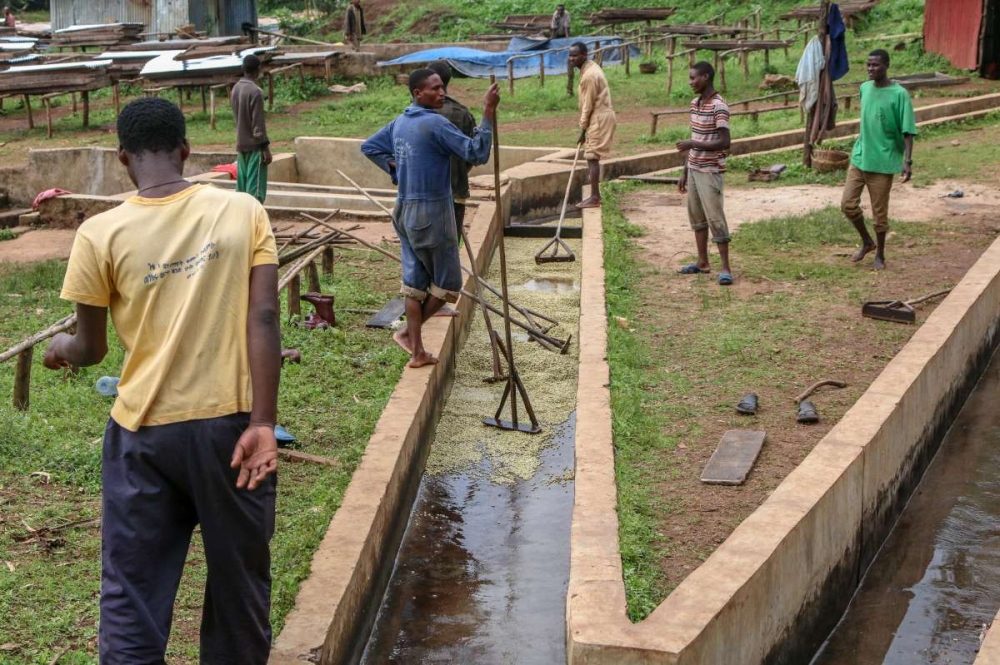
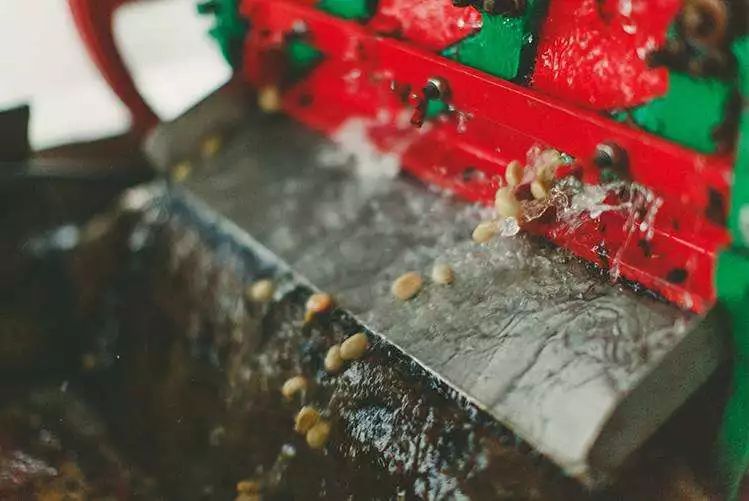
Sumatra’s Golden Mandheling, meanwhile, embodies a completely different processing philosophy. The region’s rainy climate gave rise to the uniquewet-hulling method. First, a wooden machine removes part of the mucilage, followed by hulling the outer layer at 30–50% moisture content, then drying it for 2–4 days to reach 12–13%. PWN-certified Golden Mandheling undergoes three rounds of manual sorting, yielding rich layers of nuts, caramel, and chocolate—a stark contrast to Blue Mountain.
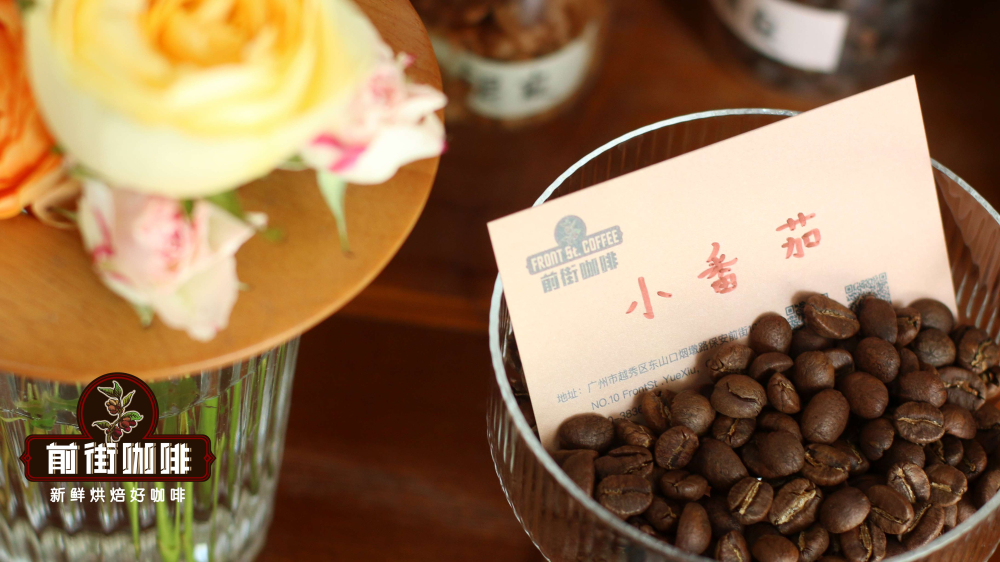
Indonesia’s grading system focuses on defect control, with G1 standard requiring fewer than 3 defective beans in a 300g sample. In contrast, Brazil’s Queen Estate adopts a more flexible scoring system, evaluating bean size (17–18 mesh preferred), flavor profile, and cupping scores holistically.The Bourbon variety, when sun-dried, releases sweet notes of dark chocolate and fermented fruit, paired with a distinct lemony finish, showcasing the rounded characteristics typical of South American coffees.
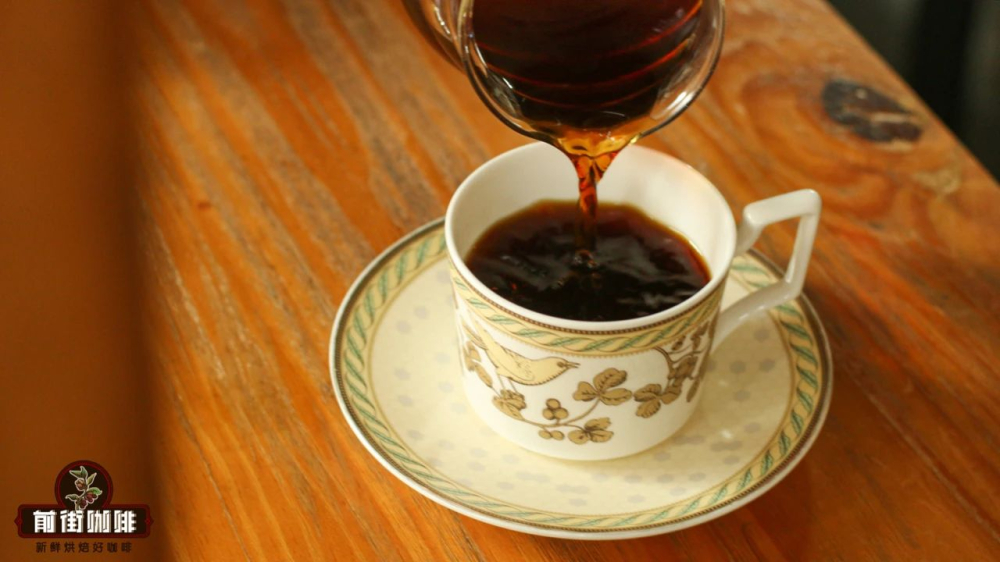
In terms of acidity, Kenyan beans boast the most vibrant berry acidity, Yirgacheffe excels with gentle citrus notes, and Panamanian Flower Dance strikes a balanced tea-like acidity in between. For body, Blue Mountain offers the most classic harmony of richness, Golden Mandheling stands out with its heavy texture, and Brazilian beans present a mellow chocolate base. Consumers can adjust brewing methods accordingly—pour over at 90–93°C is ideal for fruit-forward beans, while French press suits the bold richness of Mandheling and Blue Mountain.
Understanding regional characteristics and processing differences is the first step in building your personal flavor database. Whether you prefer bright acidity or deep richness, these six classic regional beans provide clear flavor benchmarks to help coffee enthusiasts explore their ideal cup more precisely.
The above content is compiled by CoffeeHunters, a coffee news website.


