







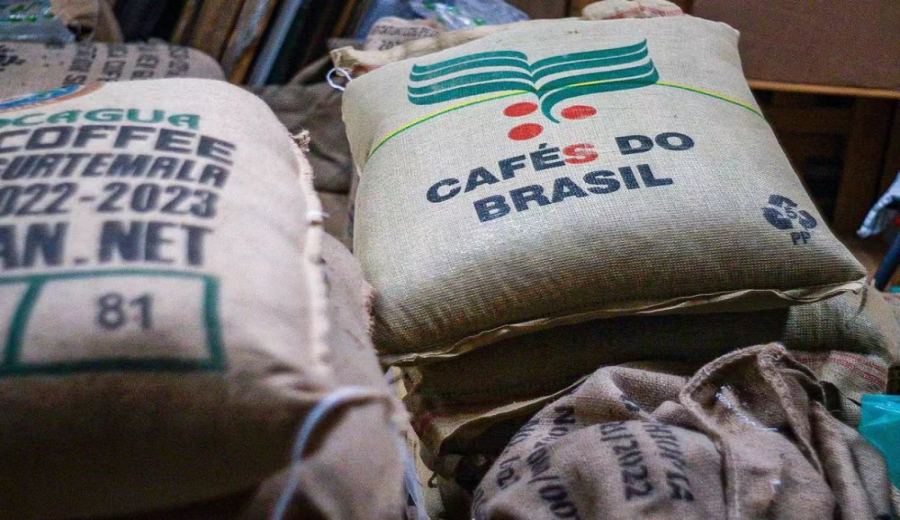
Introduction:Want to explore the charm of Brazilian specialty coffee? As the world’s largest producer of Arabica beans, Brazil not only offers an abundant supply but also boasts a unique flavor profile characterized by low acidity and rich body. This article delves into the characteristics of Brazil’s major coffee-growing regions, its four-tier classification system, and provides an in-depth look at the distinctive performance of the Bourbon variety. It also offers professional brewing parameters for both pour over and French press methods, breaking down everything from grind size to water temperature to help you fully highlight the nutty and chocolatey notes of Brazilian beans. It’s a practical guide for both beginners and advanced coffee enthusiasts.
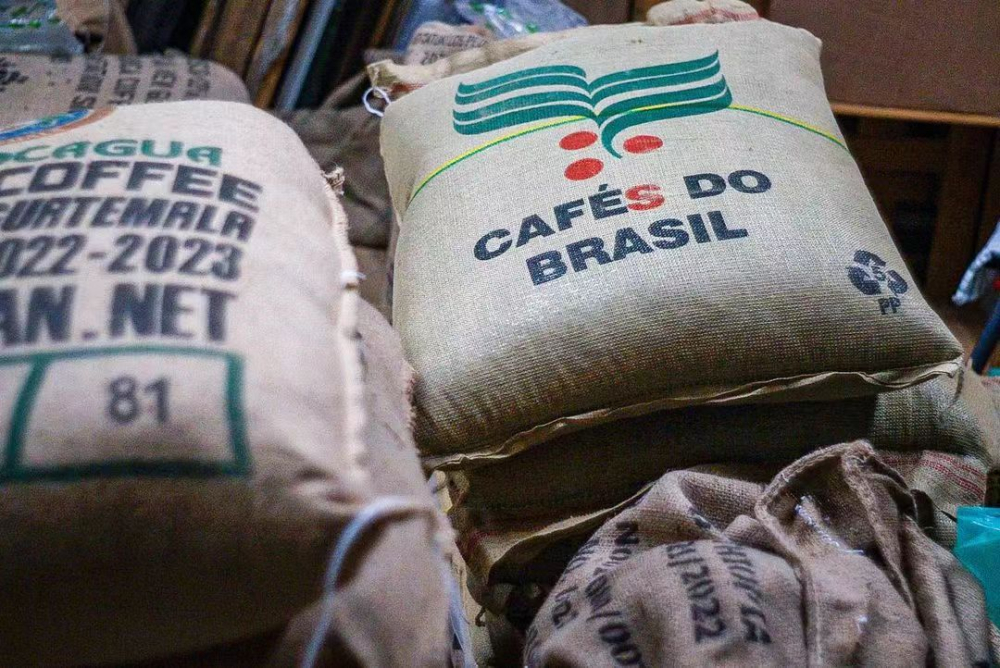
Brazil is not only the country with the highest Arabica coffee production in the world, but its output also accounts for about 30% of the global market. Thanks to its vast planting areas, favorable climate conditions, and a mature industrial chain with industrialized operational models, Brazilian coffee holds a significant position in both the commercial and specialty markets. Especially among the many Central and South American producing countries, Brazilian beans, with their distinctive low acidity and rich, sweet flavors of nuts and chocolate, have become the daily choice for many coffee lovers.
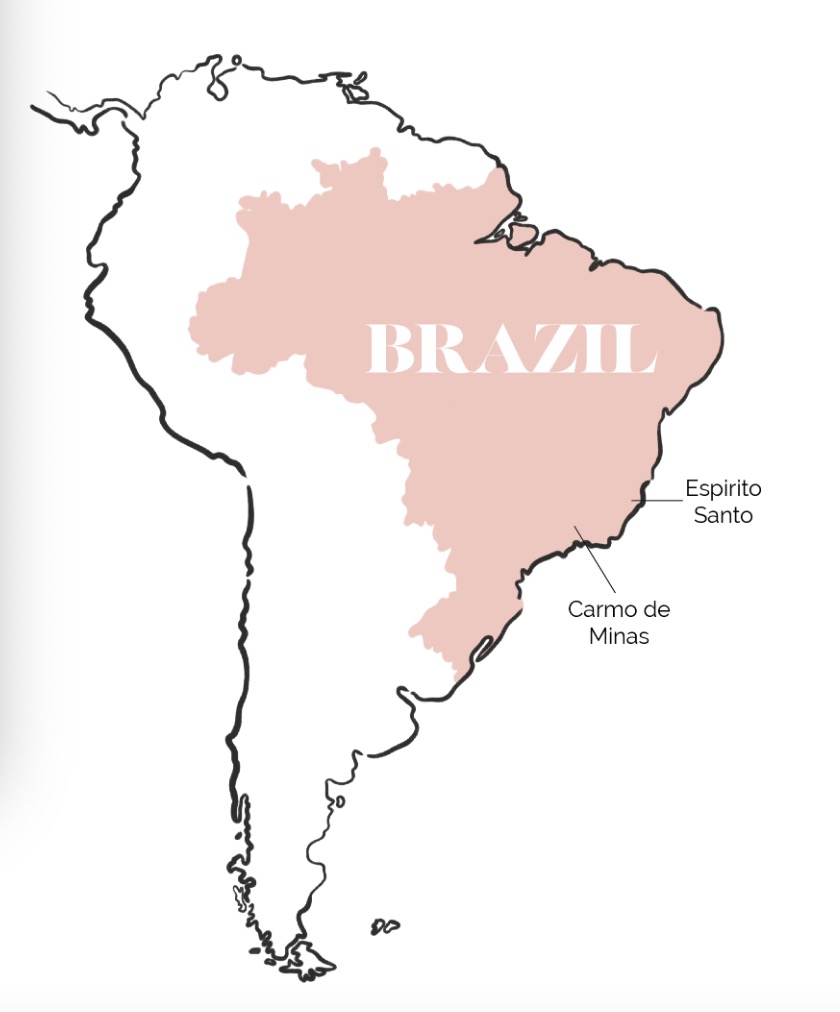
Brazilian specialty coffee mainly focuses on four major regions: Minas Gerais, São Paulo (home to Santos coffee), Paraná, and Mogiana. The geographical and climatic conditions of these areas contribute to the consistent flavor profile of Brazilian coffee. Compared to the pronounced floral and citrus notes often found in African beans, Brazilian coffee exhibits a smoother, more balanced flavor spectrum with gentle acidity, abundant sweetness, and distinct nutty and dark chocolate aftertastes.
The grading system for Brazilian coffee is not based on a single standard but rather a comprehensive evaluation that combines multiple dimensional indicators. It can be mainly divided into four categories: defect rate grading, bean size grading, cupping quality grading, and flavor profile grading. First, in terms of defect rate grading, Brazil uses a “deduction system” based on the number of defective beans per 300 grams of coffee, divided into seven grades from No. 2 to No. 8, where No. 2 is the most common top commercial grade. No. 1, which represents zero defects, is extremely rare and difficult to supply consistently.
For bean size grading, Brazil uses 1/64-inch as the standard sieve unit, with sieve sizes ranging from 14 to 20. These numbers represent the width of the shorter side of the bean. Generally, 17 and 18 mesh sizes are considered specialty grade, while 19 mesh exists but is very rare in production, making 17/18 the widely recognized representation of high quality.
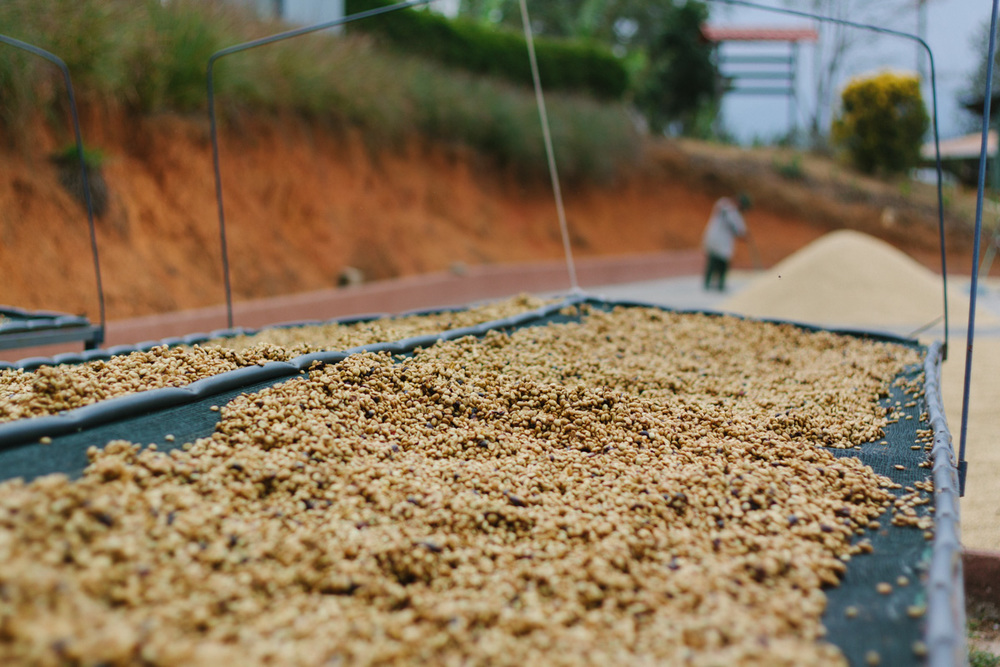
Cupping quality is commonly categorized as Fine Cup (FC), Good Cup (GC), Fair Cup, etc. These ratings are often paired with information about processing methods (such as natural, washed, honey) and farm details to help consumers gain a more comprehensive understanding of the beans’ background. Lastly, based on flavor profile, Brazilian coffee is also described using terms such as Soft (smooth), Softish (slightly smooth), Hardish (harsh), and Rioy (iodine-like or off-flavors). Among these, Strictly Soft is the highest grade, representing an exceptionally smooth flavor with no off-notes.
Among the many Brazilian specialty coffee beans, the Bourbon variety has always garnered significant attention. Currently, popular options in the market include red Bourbon from the Cerrado region processed with semi-washed methods, and yellow Bourbon from the Mogiana region, also semi-washed. The former is known for its rich nutty and caramel aromas, low acidity, and full-bodied taste, offering excellent value and suitability for everyday drinking. The latter, thanks to meticulous cultivation and management, showcases brighter acidity and a cleaner aftertaste, with distinct layers of chocolate and nutty notes and a smooth, delicate mouthfeel.
If you want to fully bring out the unique flavors of Brazilian Bourbon beans at home, it is recommended to use drip filtration (pour over) or immersion (French press) methods. Since these beans are often roasted to a medium-dark level, to avoid over-extraction and bitterness, it is advised to use lower water temperature and coarser grind size. For pour over, you can choose a Kono filter, which, due to its tight fit, achieves an extraction effect similar to immersion, enhancing overall body. Suggested water temperature is 88°C, with a brew ratio of 1:15, using about 15 grams of coffee, ground to a coarseness similar to white sugar (approximately 70% passing through a 20-mesh sieve). Specifically, start with a 30-gram bloom for 30 seconds, then pour up to 125 grams, wait until the liquid level drops halfway, and then add more to reach 225 grams total. The entire extraction process should be controlled to around 2 minutes and 10 seconds to fully highlight the nutty and dark chocolate notes of Brazilian beans.
If you opt for the French press, be sure to pour out the coffee immediately after brewing to avoid over-extraction caused by the grounds continuing to steep in the pot, which can lead to unnecessary bitterness. This method preserves the richness and sweetness of Brazilian beans, making it especially suitable for those who enjoy milk coffee or pure black coffee.
In summary, Brazilian Bourbon Santos coffee beans, with their stable regional flavor profiles, rich taste layers, and affordable prices, are a classic choice that can be enjoyed by both coffee novices and connoisseurs. Whether you use pour over or French press, as long as you master the appropriate parameters and techniques, you can easily bring out the unique charm of its intertwined nutty, caramel, and chocolate notes.
The above content is compiled by CoffeeHunters, a coffee news website.


