







Introduction:You’ve bought too much coffee and can’t finish it—should you put it in the fridge? Is the refrigerator or freezer better? This article delves into the key goal of coffee storage—locking in aroma—and analyzes the five major enemies: light, heat, moisture, oxygen, and odors. By combining professional research with practical advice, we’ll teach you how to choose the most suitable storage method based on your needs, ensuring every coffee bean delivers its optimal flavor.
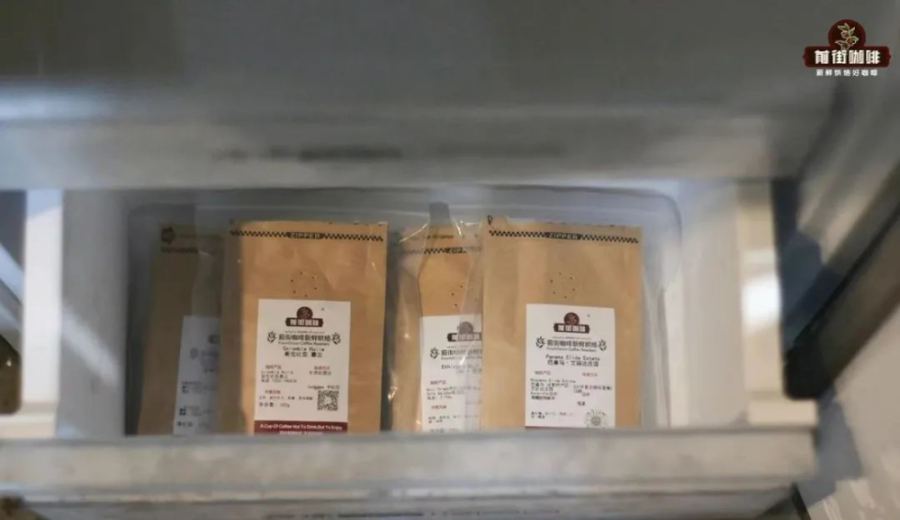
When you buy more coffee than you can drink right away, many coffee lovers’ first thought is: “Can I store it in the fridge or freezer?” Especially when you suddenly have several packs of beans given by friends, freshness and flavor preservation become top priorities. In reality, the core of storing coffee beans isn’t about “preventing spoilage,” but rather “preventing aroma loss.” What truly affects coffee flavor is how well the post-roast aromas are preserved—not food safety or spoilage issues.
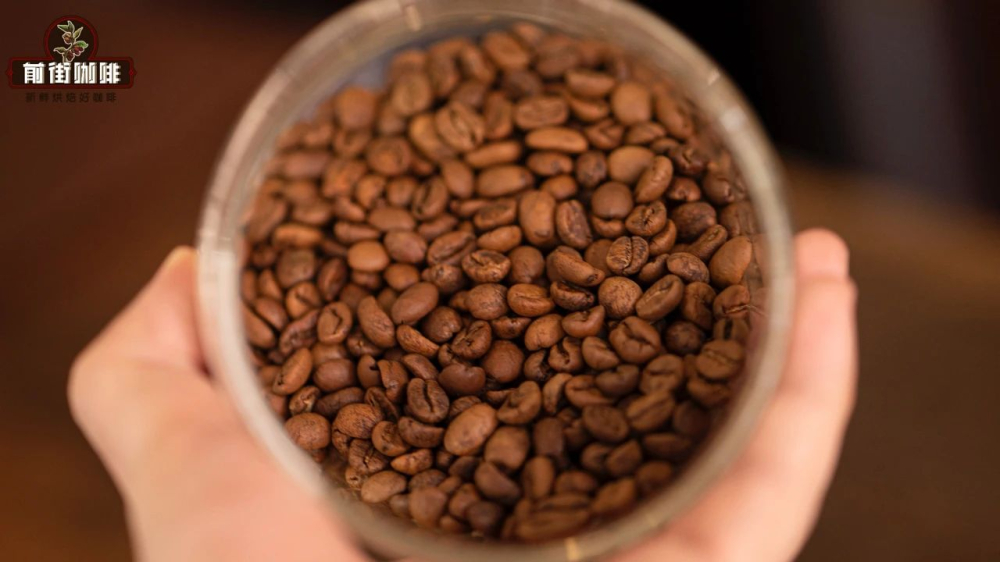
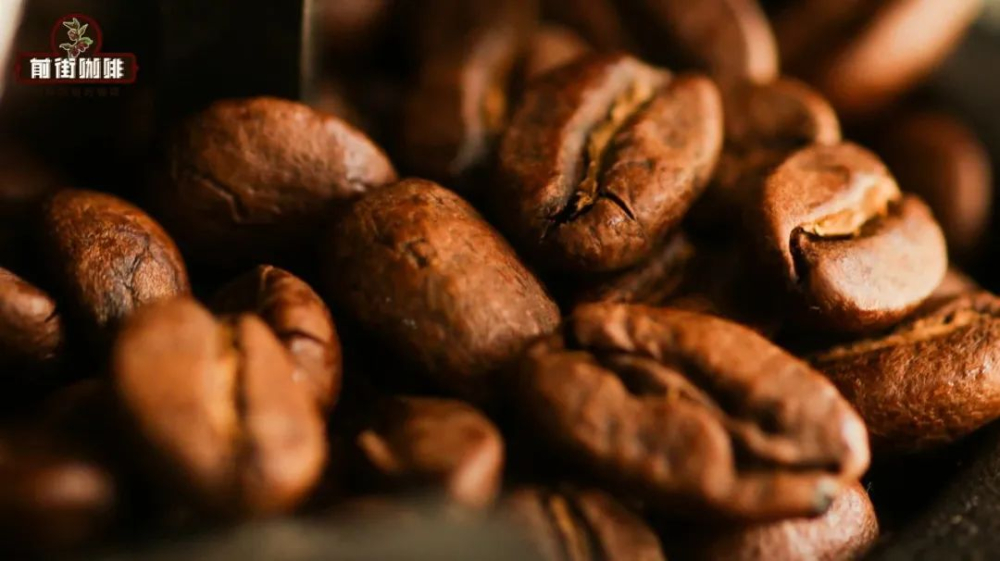
The so-called “best-before period” refers to the time when coffee beans retain their optimal flavor, not just when they’re “not expired.” Freshly roasted coffee beans are not only full of vibrant aromas, but also contain a large amount of carbon dioxide. These gases help water flow more evenly through the coffee during pour over, such as the expansion during blooming and the stability of extraction, or the appearance of the golden crema on top of an espresso shot—all are important indicators of coffee freshness.
Generally speaking, within about 40–50 days after roasting, coffee beans are in their “golden period” with the richest aromas. Over time, these volatile compounds gradually dissipate, and the flavor declines accordingly. Therefore, when we store coffee beans, the aim is to slow down the loss of these key components, keeping the coffee’s captivating aroma and taste intact for longer.
The five major external enemies that affect the preservation of coffee aroma are: strong light, high temperature, moisture, oxygen, and odors. Unopened coffee beans are most vulnerable to light and heat, which can accelerate the breakdown of internal compounds; once opened, coffee beans are more susceptible to oxygen, humidity, and other environmental smells in the air, leading to oxidation, dampness, and even unwanted off-flavors. Therefore, the storage environment should remain cool, dry, away from light, and with minimal exposure to air, in order to effectively extend the optimal drinking period of the coffee.
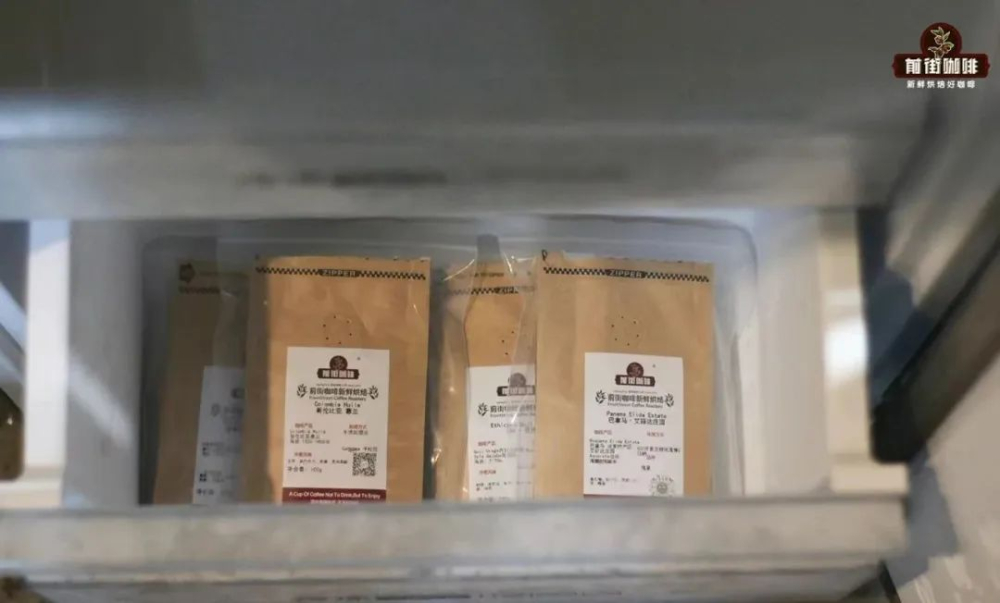
So, does putting coffee beans in the fridge really extend their shelf life? The answer is yes—but with conditions. According to an experiment by Swiss coffee scientist SAMO SMRKE,freezing can reduce the rate of carbon dioxide release from coffee beans by up to 12.5 times, effectively slowing down the loss of aroma and thus delaying the point at which the flavor begins to decline. This means that if you want your coffee beans to still perform well after three to four months or more, freezing is indeed a relatively ideal option.
However, freezing is not a cure-all. Even in a low-temperature environment, it can only delay the loss of aroma, not completely stop it. Improper handling—such as inadequate sealing, frequent opening and closing of the container, or refreezing after thawing—can lead to moisture infiltration, aroma loss, or even absorption of odors from other foods in the fridge, severely impacting the final brew quality.
If you’re still considering using the refrigerator or freezer to store coffee beans, here are some practical tips to help you reduce risks and improve storage effectiveness:
1. Sealing the package is key
Whether you choose refrigeration or freezing, coffee beans should first be sealed in an airtight bag or vacuum-packed to ensure complete isolation from the moisture and odors of other foods in the fridge, then placed in the freezer or refrigerator compartment. It’s recommended to use aluminum foil composite bags that block oxygen or specialized coffee preservation canisters.
2. Thawing requires attention to temperature difference and moisture
After taking coffee beans out of the freezer, do not open the package immediately. Let them naturally return to room temperature by sitting at room temperature, and wait until any condensation inside the bag has stabilized before taking the beans out to use. This helps avoid moisture seeping into the bean bag and causing the beans to become damp.
3. Do not refreeze after thawing
Once coffee beans have been thawed, their flavor deterioration speeds up significantly. It’s recommended to take out only the amount you need at one time, and leave the rest frozen. If you often stock up on beans, you can pre-portion them into small packages according to each brew’s dosage, and vacuum-seal them in advance. Then, just take one portion out to thaw as needed, avoiding repeated freezing and thawing which can degrade quality.
In summary, the key to storing coffee beans lies in “a stable environment + shielding from external interference.” If you plan to finish the coffee within a short period (about 1–3 weeks), simply placing it in a cool, dry, dark, and sealed location is sufficient. But if you’ve bought a large quantity of coffee beans and won’t use them for several months, properly utilizing freezer storage—with the correct pre-storage steps and thawing process—can help maintain the coffee’s flavor performance, making every cup worth it.
Next time you think about “stocking up a few extra packs just in case,” be sure to plan your storage method in advance—don’t let good beans go to waste due to improper storage.
The above content is compiled by CoffeeHunters, a coffee news website.


