







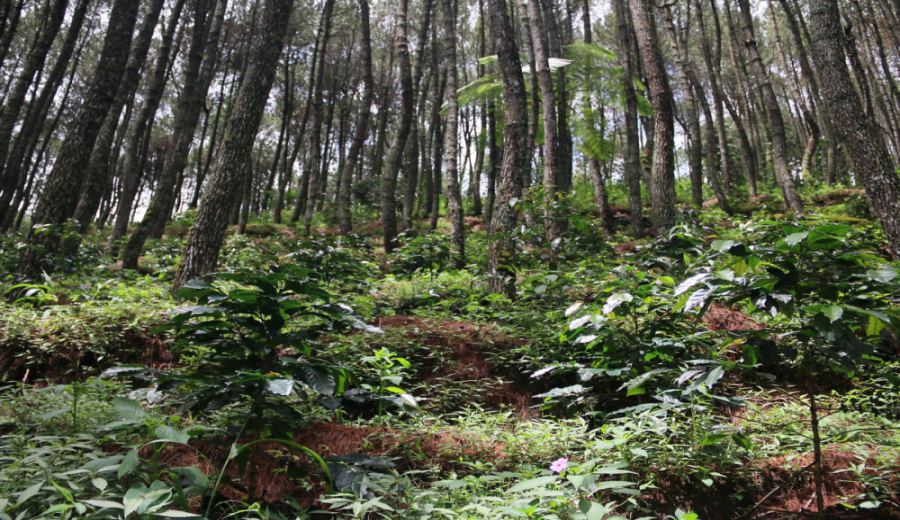
Introduction:Diving deep into Indonesia’s Sumatra, one of the world’s most renowned coffee-growing regions, this article will introduce you to the main producing areas of Mandheling coffee, including Lintong, Gayo Mountains in Aceh, and Lake Toba. It not only analyzes the variety characteristics and processing methods of Mandheling from each area—such as the differences between wet hulling and natural drying—but also provides practical pour over parameters and flavor descriptions to help you better grasp the allure and brewing techniques of this deep, rich coffee.
Sumatra, as one of Indonesia’s most representative coffee-producing regions, boasts a unique terroir that nurtures Mandheling coffee with intense and layered flavors. Among them, core areas such as Lintong, the Gayo Mountains in Aceh, and Lake Toba are well-known landmarks to global specialty coffee enthusiasts. This article will systematically introduce the distribution and characteristics of these regions, deeply analyze the varieties and processing techniques of Mandheling in each area—especially the highly distinctive wet hulling method—and how it influences the final flavor profile. Additionally, it will detail recommended pour over parameters and brewing tips for different roast levels, allowing you to brew classic Mandheling with Sumatran character at home.
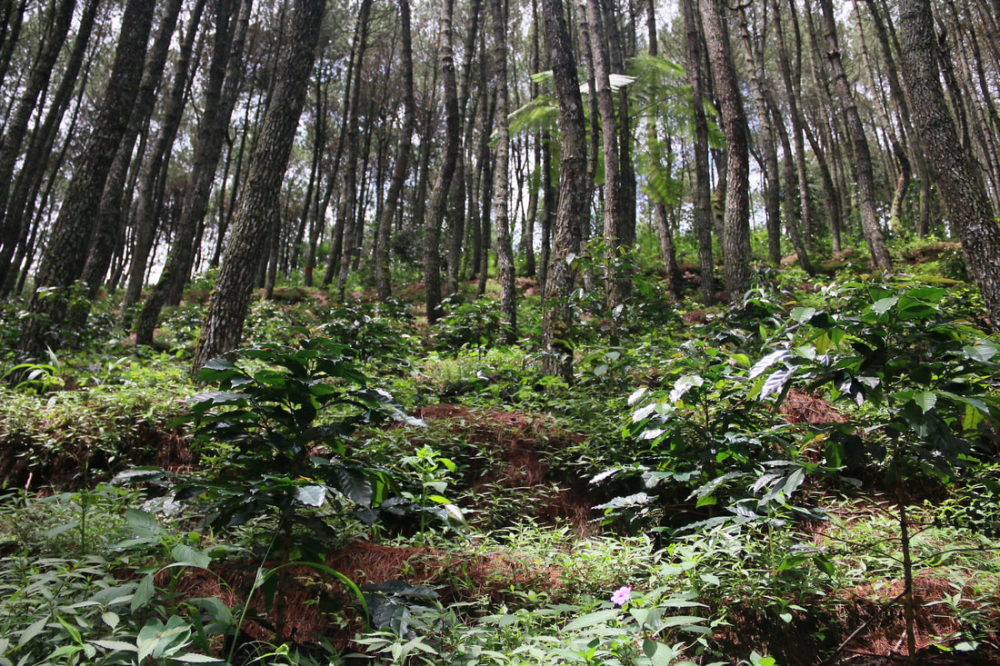
Sumatran coffee often features the image of the Sumatran tiger as its packaging motif. This is not just a design choice but also resonates with the uniqueness of its origin. The Sumatran tiger is the only tiger species that inhabits this island, found in lowland forests to high-altitude zones, with a rare wild population currently estimated at only about 400 to 500 individuals, mainly residing in five national parks. Just like this rare tiger species, Sumatran coffee also exhibits a one-of-a-kind regional flavor, becoming one of the representatives of Indonesian coffee.
The coffee-growing regions of Sumatra can be roughly divided into two core zones: the southern zone centered around Medan, Lake Toba, and Lintong, which is an important birthplace of traditional "Mandheling." Mandheling G1, Golden Mandheling, and Tiger Mandheling produced here are all widely praised items on the market. Coffee from the Lintong region is predominantly pure Arabica, although there have been occasional rumors of Robusta hybrids in recent years, most still maintain nearly pure variety bean shapes. This area generally employs the traditional wet hulling method, and some processing facilities such as WHANA are gradually introducing natural and semi-natural processes, significantly enhancing flavor performance.
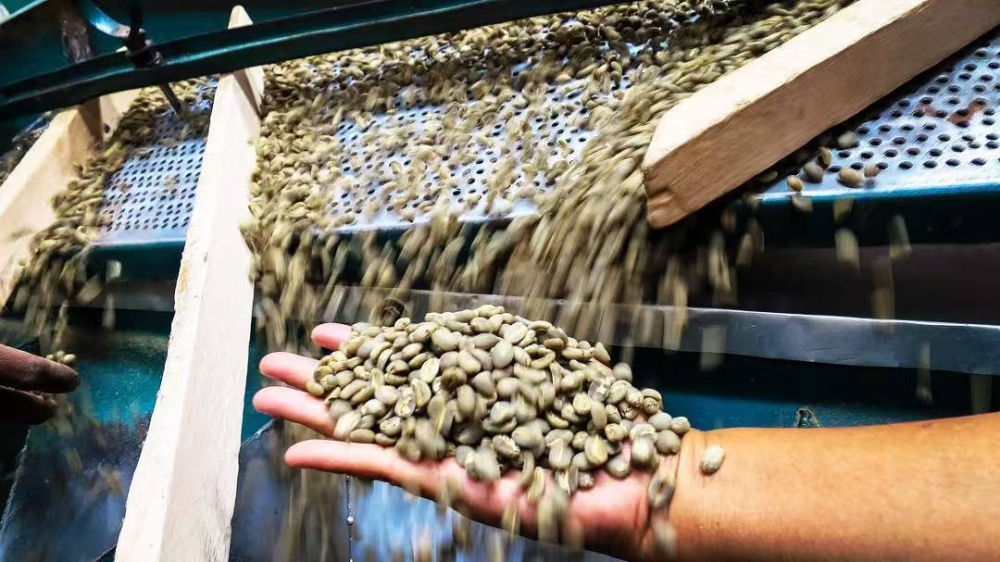
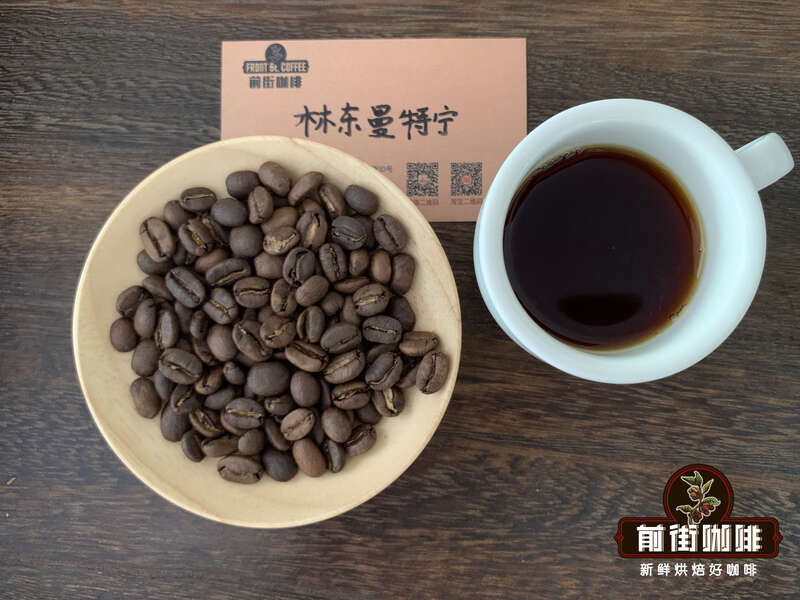
Mandheling from the Lintong region is grown at altitudes of about 1100 to 1600 meters, with varieties including Typica and Catimor, using the common Indonesian wet hulling method, presenting flavors such as toasted bread, nuts, caramel, pine, and herbs. Golden Mandheling, on the other hand, comes from the Gayo Mountains in Aceh, also within the same altitude range, planted with the Ateng variety, and processed via wet hulling. Its highlight lies in the fact that the green beans undergo strict G1 grade screening, with three rounds of hand-picking to ensure uniform bean size and extremely low defect rates—no more than 3 defective beans per 300-gram sample, with most beans being size 18 or above, dark green in color and neatly shaped. Thanks to its high-quality selection, this coffee has almost none of the earthy or musty off-flavors commonly found in typical Mandheling, offering a cleaner, sweeter profile with complex notes of spices, herbs, caramel, nuts, and chocolate.
Tiger Mandheling also hails from Sumatra, grown at an altitude of 1500 meters, with varieties including Catimor, Typica, and Sidikalang, also processed by wet hulling. Its flavor profile showcases notes of nuts, cream, dark chocolate, caramel, and pine, with a balanced mouthfeel. Aged Mandheling is another distinctive product, also from Sumatra, grown at 1500 meters altitude with similar varieties and wet hulling processing. However, due to long-term storage, its flavor transforms into something more rounded and mellow, resembling the steady profile of Pu-erh tea, with reduced acidity and intense woody, malt, caramel, and herbal aromas, highlighted by a prominent sweetness.
Aging processing has a long historical background in Indonesia. In the past, due to long shipping times, coffee beans would naturally dry out at sea and be influenced by sea breezes, resulting in unique aged aromatic flavors. Today, this process has evolved into an intentional craft, offering an excellent choice for coffee lovers who enjoy deep, profound flavors. Also worth noting is that Mandheling is mostly dark roasted, partly to mask some of the off-flavors brought by certain processing methods and variety blends, and partly due to the early Japanese market’s preference for strong, bold profiles—thus making dark roasting the market mainstream.
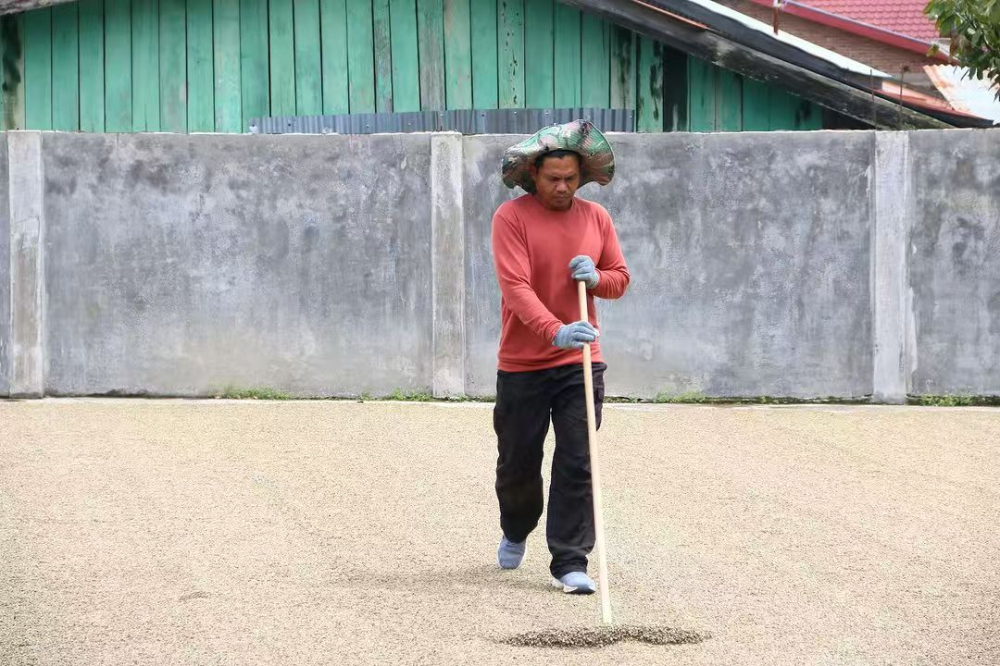
Besides the aforementioned wet-hulled Mandheling, Sumatra also has a relatively rare yet uniquely flavored natural (sun-dried) Mandheling. Produced at the Wahana Estate in the Lake Toba region, grown at altitudes of 1000 to 1700 meters, with varieties including Bourbon and Typica, and using the natural drying method. The industry has experimented with medium-light roasting for this coffee to highlight its bright fruit notes such as melon, fermentation aromas, mango, tropical fruits, and peach, presenting a profile distinctly different from traditional Mandheling.
For brewing Sumatran coffee, pour over is recommended, especially using immersion-style filters such as the KONO dripper, Kalita Wave, or a French press, which help fully bring out its rich, bold flavors. It is suggested to control the pour over water temperature at 86-88°C to avoid over-extraction caused by excessively high temperatures; the grind size is recommended to be medium, slightly coarser than that for light roasts, to reduce extraction rate; the powder-to-water ratio is advised to be set at 1:13 to 1:14 to enhance the intensity of the flavor profile.
For the four main wet-hulled Mandheling types, the recommended brewing parameters are as follows: use the KONO dripper, water temperature 86-88°C, grind size as Small Fuji #4, roast level dark, blooming time 30 seconds. Specific operation: use 15 grams of coffee grounds, with a powder-to-water ratio of 1:15, first pour 30 grams of water for blooming over 30 seconds, then continue pouring up to 125 grams, wait until the water level drops by half and then pour up to 225 grams, total extraction time is about 2 minutes.
As for the natural (sun-dried) Mandheling, due to its medium-light roast, the brewing approach is slightly different. It is recommended to use the Hario V60 #01 dripper, 15 grams of coffee grounds, powder-to-water ratio 1:15, water temperature 90°C, grind size at the level of fine sugar. Operationally, the first stage is pouring 30 grams of water for blooming over 30 seconds, the second stage is pouring 95 grams (total 125 grams) over about 1 minute, then the third stage is pouring 100 grams (total 225 grams) over about 1 minute 40 seconds, with a total extraction time of about 2 minutes 10 seconds.
Summarizing the flavor profiles of each Mandheling type: Golden Mandheling is known for its multi-layered, rich, and clean profile, with balanced aromas, intense nutty and caramel tones complemented by a chocolate aftertaste; Lintong Mandheling is characterized by herbal, dark chocolate, and caramel notes, with a notable aftertaste; Tiger Mandheling presents a balanced taste, blending notes of pine, spices, cream, and nuts; Aged Mandheling stands out with its mellow richness, low acidity, and pronounced sweetness, resembling the dignified profile of aged Pu-erh, with flavors transforming into complex notes of wood, malt, and caramel.
The above content is compiled by CoffeeHunters, a coffee news website.


