








Introduction:Want to brew rich and smooth Moka Pot coffee at home and successfully make a latte? This article dives deep into the optimal timing to turn off the heat, ideal grind size, coffee-to-water ratio for the Moka Pot, and recommends suitable coffee bean varieties based on different flavor preferences. From basic operation to advanced techniques, it will guide you step-by-step to master stable extraction with the Moka Pot and pairing it with lattes — even beginners can get started with ease.
The Moka Pot, also known as Moka Pot, is a classic and widely used espresso-making device in Italian households. Its working principle utilizes the steam pressure generated by heating the lower chamber to push hot water through the middle layer of coffee grounds, thereby extracting a rich coffee liquid into the upper chamber. This extraction method delivers a notably bold taste, balancing acidity and bitterness with a slight layer of crema, making it highly suitable for pairing with milk to produce a creamy latte.
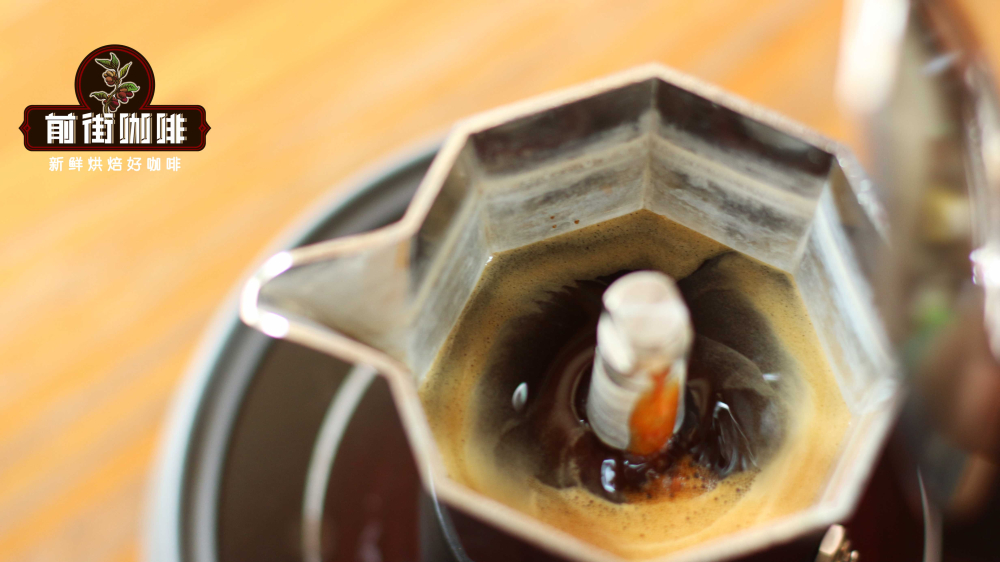
About the Timing to Turn Off the Heat— this is one of the key techniques when using a Moka Pot. When placing the Moka Pot on the stove to heat, start with medium heat while keeping the lid open. When you hear a distinct “hissing” sound, it indicates that the coffee liquid has begun to flow, and you should then switch to low heat. When the sound changes to a subtle “popping” noise, it usually means the extraction is nearing its end, and you should immediately turn off the heat to avoid over-extraction, which can lead to bitterness.
When choosing coffee beans, it is recommended to prioritize blends specifically designed for espresso, as their roast level and flavor profile better suit the needs of a Moka Pot. If you’re just starting out, you can choose a classic blend with rich aroma and crema performance, combining the spicy notes of Mandheling, the nutty and creamy feel of Brazilian beans, and the bold body provided by Robusta, which can deliver a chocolate-like smooth texture when milk is added.
If you’re looking for value, there are also espresso blends on the market designed for both home and commercial use. For example, some blends with a dominant dark cocoa flavor offer good stability and strong extraction effects, making them suitable for long-term use.

In addition to blends, medium-to-dark roasted single-origin beans are also suitable for the Moka Pot. For instance, some SOEs (single-origin estate beans) that have been freshly roasted within 5 days offer pronounced aromas of cream, peanuts, and toasted bread, along with a natural sugarcane sweetness, adding more layers of flavor to your coffee.
The Moka Pot has relatively flexible requirements for coffee grind size, but it’s still important to avoid going too fine or too coarse. An overly fine grind creates excessive resistance, causing water to stagnate for too long — not only increasing pressure but even posing potential safety risks. Too coarse a grind leads to fast water flow, resulting in under-extraction and weak flavors. Generally, a grind size between espresso extra-fine and pour over medium-fine is most appropriate. If you notice that the water has boiled but the coffee liquid is not flowing out, it is advisable to immediately turn off the heat and check the grind size.
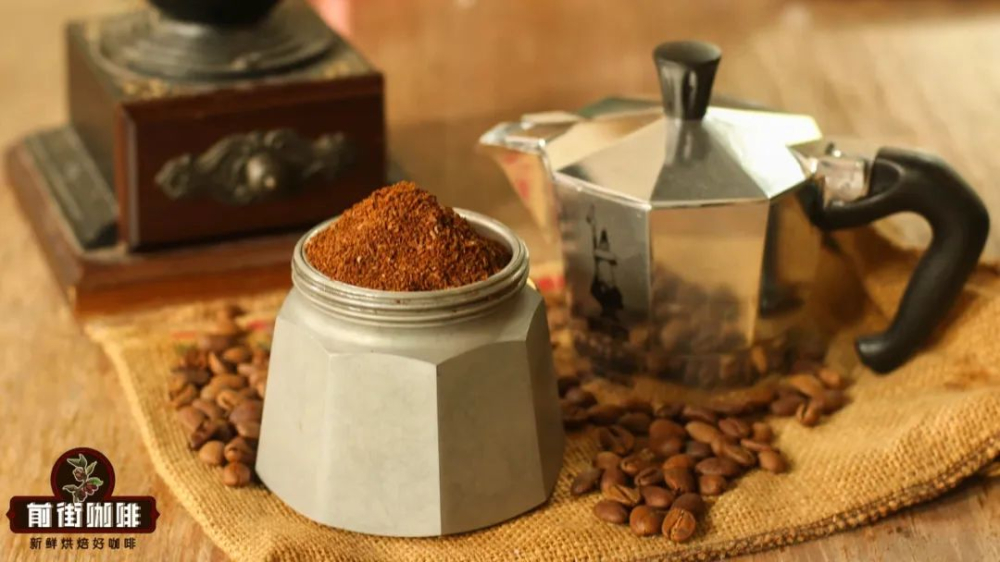
Regarding the amount of coffee grounds used, it is recommended to fill the basket level with the rim. Since coffee grounds of different grind sizes vary greatly in volume at the same weight, visually filling to the top ensures more consistent and successful extraction. Keeping track of the amount of coffee used each time helps with future adjustments and reproducing your ideal extraction.

Water level control is equally crucial. The lower chamber is equipped with a pressure relief valve to prevent safety issues caused by excessive pressure. Therefore, the water level should be kept below the relief valve and must not submerge it, otherwise the valve’s function may be compromised, increasing the risk of the Moka Pot exploding. It is recommended to familiarize yourself with the pot's structure in advance and precisely measure the water volume each time to stably control the extraction results.

[Steps to Make a Moka Pot Latte]
1. Add cold water to the lower chamber, ensuring the water level does not exceed the pressure relief valve.
2. Fill the coffee basket with coffee grounds, gently tamp it down to ensure the coffee bed is compact and level.
3. Securely tighten the upper and lower chambers to prevent leaks or coffee spillage during heating.
4. Place the Moka Pot on a gas or induction stove, heat over medium heat with the lid open. Once you hear the hissing sound, switch to low heat and allow the coffee liquid to flow out slowly.
5. When the sound turns into a subtle “popping” noise, immediately turn off the heat to avoid over-extraction.
6. Pour the extracted espresso into a cup, and you can add about 200ml of fresh milk and a suitable amount of ice to make a Moka Pot iced latte. Alternatively, you can mix it with condensed milk and ice to create a drink similar to Vietnamese coffee, or in winter, dilute it with hot water to adjust the strength and enjoy variations in flavor.
The above content is compiled by CoffeeHunters, a coffee news website.


