







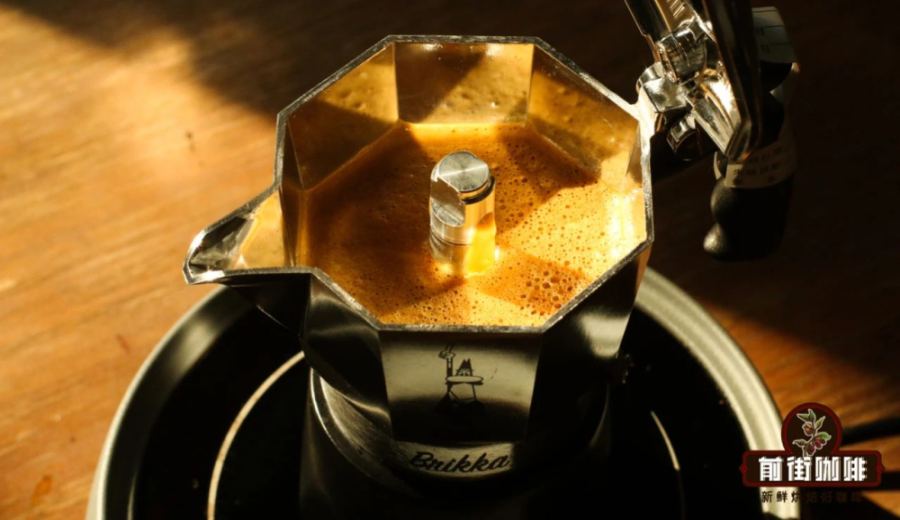
Introduction:The moka pot is the most common coffee brewing device in Italian households. Though simple in structure, it can brew richly flavored coffee. This article provides an in-depth analysis of its basic structure and working principle, guiding you step-by-step on how to operate it correctly — including coffee bean selection, grind size, coffee-to-water ratio, and heating techniques. It also includes practical tips to help you easily brew espresso-style coffee at home.
As a highly representative home brewing tool in Italian coffee culture, the moka pot is beloved for its classic design and ease of use, making it a top choice for many coffee beginners. By generating pressure through heating, it quickly extracts a strong cup of coffee rich in crema, offering a flavor close to espresso but with greater practicality for home use.
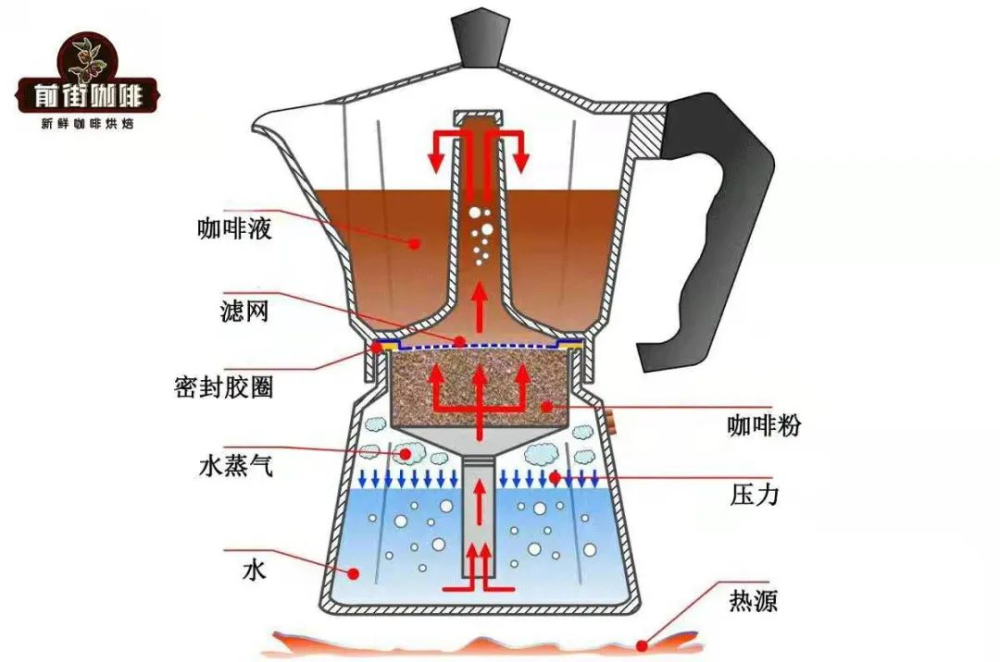
The basic structure of a moka pot can be divided into three main parts: the upper chamber, the funnel (or coffee chamber), and the lower chamber.The lower chamber holds water, which, when heated, generates steam pressure; the middle funnel is where finely ground coffee is placed; and the upper chamber collects the brewed coffee that passes through the coffee grounds. When heated, the water in the lower chamber turns into steam, gradually increasing the pressure and pushing the hot water upward through the coffee layer, eventually collecting in the upper chamber as a rich cup of coffee.
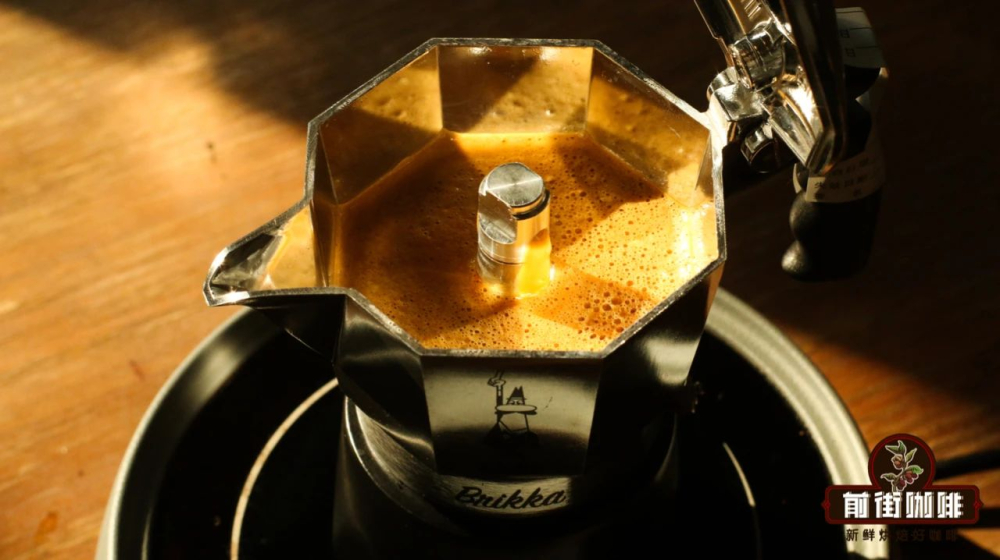
Currently, most moka pots on the market are made of stainless steel, which is more corrosion-resistant than earlier aluminum models and compatible with various heat sources, including induction stovetops. In terms of capacity,small-sized moka pots for 2–3 servings are the most common and practical choice, ideal for daily household use. It is also recommended to choose models with a safety pressure valve to enhance safety during use.
Before using a moka pot, you’ll need to prepare the following tools and materials: freshly roasted coffee beans (medium to dark roast recommended), a grinder, clean water, and an adjustable heat source such as a ceramic stove or gas burner.A special reminder: do not use cold water, as it will prolong the extraction time and may lead to over-extraction, resulting in a bitter and astringent taste.
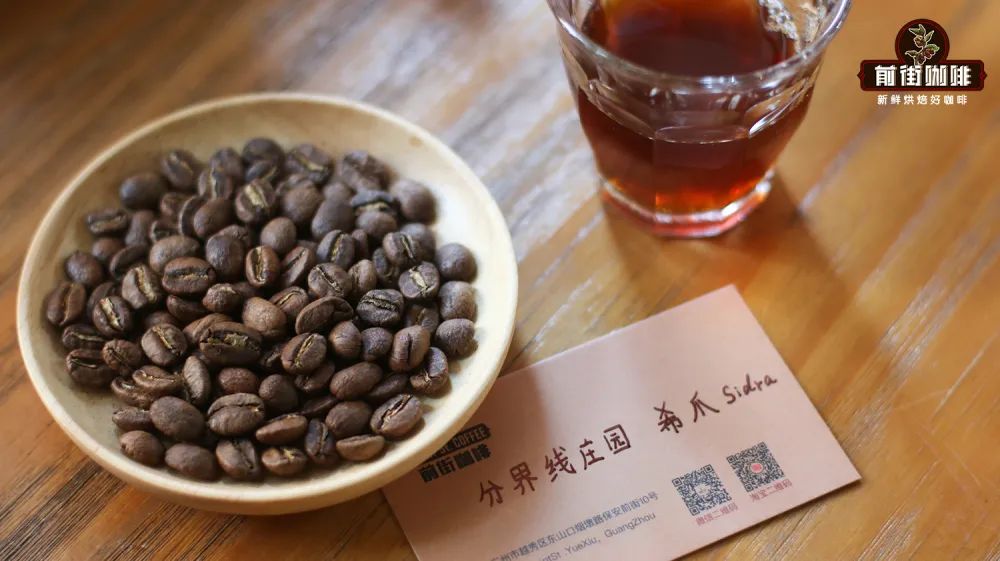
The choice of coffee beans greatly affects the final flavor. If you want to highlight the crema and richness extracted by the moka pot,it is recommended to use medium to dark roasted coffee beans, such as a classic Italian blend composed of Brazilian, Indonesian Mandheling, and Vietnamese beans. These beans typically feature layers of caramel, nuts, chocolate, and dark cocoa, making them very suitable for creating espresso-like coffee.
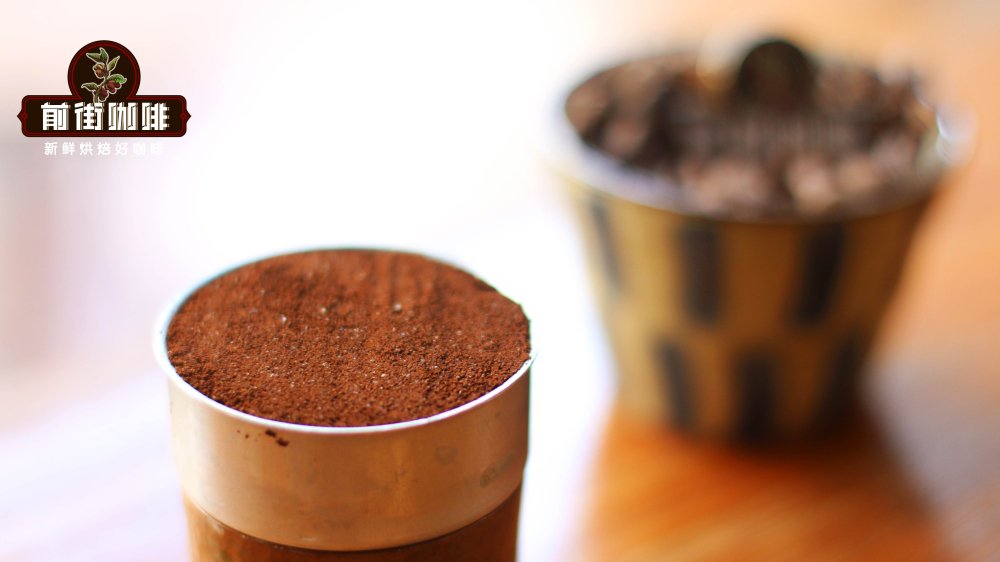
Regarding grind size, the coffee grind needed for a moka pot is between that of pour over and espresso.It should be finer than pour over but slightly coarser than what’s used in espresso machines, roughly around #3 to #3.5 on an EK43s grinder — similar in feel to fine sugar but even more delicate. If the grind is too coarse, water will flow too quickly, leading to under-extraction; if it’s too fine, excessive resistance might cause overly high pressure, resulting in splattering or over-extraction.
The suggested practical operation steps are as follows:
- Adding water: Pour water into the lower chamber, keeping the water level about 0.5 cm below the safety valve — approximately 100 grams in volume. After adding the coffee grounds, the overall coffee-to-water ratio is about 1:5, suitable for most usage scenarios.
- Filling with coffee grounds: Place the finely ground coffee into the funnel, gently level it, then press down lightly with your fingers to flatten the surface — keep it even without applying too much pressure, to avoid affecting the water flow rate.
- Assembling and heating: Reattach the funnel to the lower chamber, securely screw on the upper chamber, then place the entire moka pot on the heat source. It is recommended to start heating over low to medium heat.
- Observing the extraction: When you hear a hissing sound from the moka pot, it indicates that the internal pressure is gradually building up. At this point, reduce the heat to low and slightly open the upper chamber lid to observe the coffee and crema slowly flowing out.
- When to turn off the heat: When the coffee in the upper chamber reaches about half full, you can turn off the heat source and move the pot to a safe surface, allowing the remaining heat and pressure to finish the extraction process.
- Enjoying the coffee: The brewed coffee has a rich and bold flavor. You can adjust the concentration to your liking by adding hot water, or mix it with milk to make drinks like lattes.
There are several common mistakes and precautions to note when using a moka pot:Do not use too much water, as it may cause the coffee to overflow from the safety valve. Overheating can lead to uncontrolled pressure, so it is recommended to use low to medium heat throughout. Also, the moka pot becomes very hot after heating, so always handle it with heat-resistant gloves or a cloth.
If you want to brew coffee with more prominent crema,it is recommended to use freshly roasted medium to dark roast coffee beans. The carbon dioxide produced during the roasting process is released under pressure extraction, forming rich crema. Typically, coffee beans within five days of roasting showcase the best flavor and crema performance.
In summary, the moka pot is a simple yet highly capable coffee brewing tool. It allows you to enjoy an espresso-like rich taste while also letting you customize concentration and flavor to your preference. By mastering the correct grind size, coffee-to-water ratio, and heating technique, you can easily brew a rich, crema-filled cup of coffee at home.
The above content is compiled by CoffeeHunters, a coffee news website.


