







Introduction:Why is Yunnan small-grain coffee so named? How do its variety background, geographical environment, and processing methods influence its flavor? This article provides a detailed explanation of the “small-bean” classification within Arabica, explores the characteristics of washed processing in Yunnan’s high-altitude producing regions, and analyzes its key role in Italian-style blends. From the layered expressions of nuts, chocolate, and brown sugar, to how Yunnan beans can be used to craft balanced blended coffees, this guide offers practical knowledge and a flavorful experience.
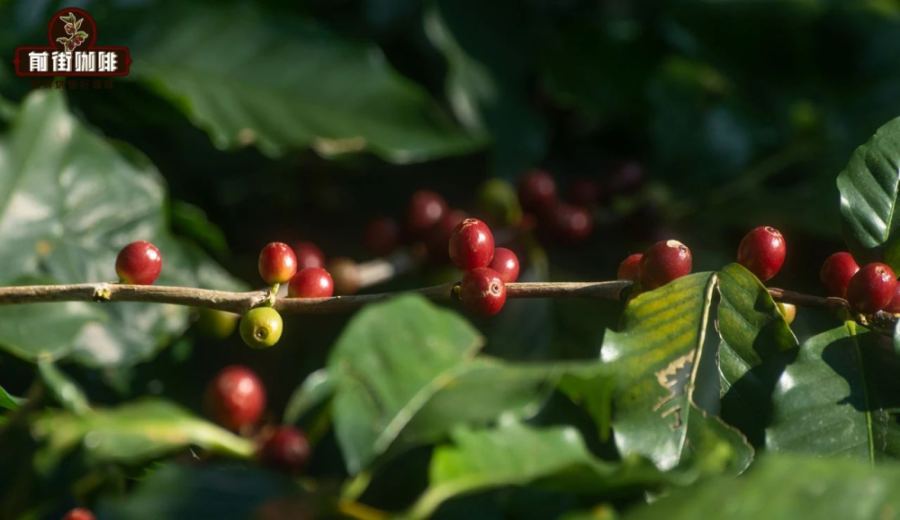
When mentioning “Yunnan small-grain coffee,” many people first think of its distinct size compared to regular coffee beans and its unique flavor. The term “small grain” actually originates from varietal classification — Yunnan primarily grows Arabica coffee, which is commonly referred to in the industry as the “small-bean variety.” In contrast, Robusta grown in Hainan is classified as the “medium-bean variety.” The two differ significantly in botanical classification and flavor expression.
From a geographical perspective, the southwestern and southern regions of Yunnan lie between 15°N and the Tropic of Cancer, a latitude band considered one of the golden zones suitable for coffee cultivation. These areas are mostly high-altitude mountainous regions, characterized by sloping terrain and hills, with soil rich in organic matter. Coupled with ample sunlight, abundant rainfall, and significant diurnal temperature variations, these conditions provide ideal growing environments for coffee trees. Major producing regions include Pu’er, Xishuangbanna, Wenshan, Baoshan, Dehong, and Lincang, which are also currently among the country’s key bases for specialty coffee production.
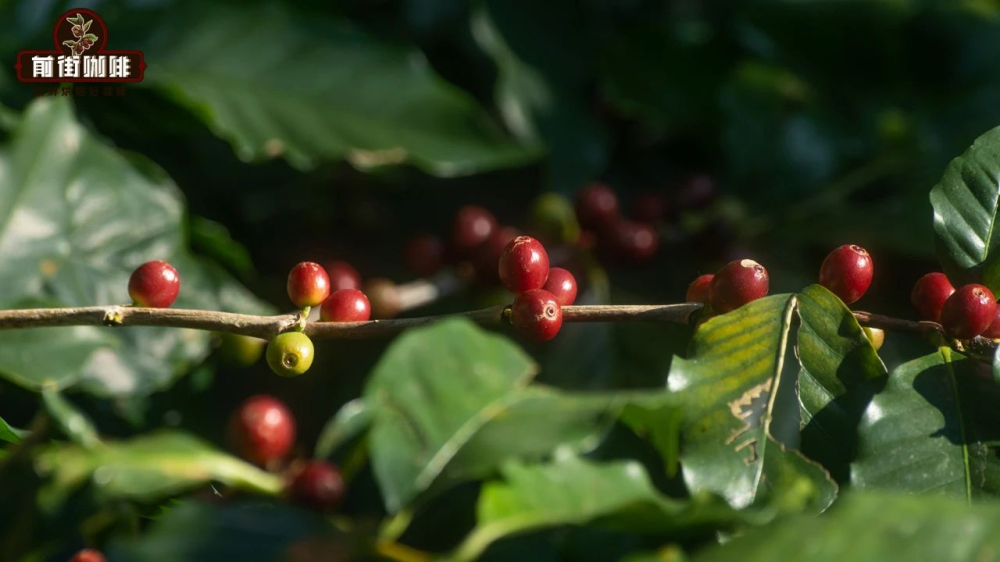
In terms of processing methods, washed processing has long been the mainstream in Yunnan. After harvesting, coffee cherries are quickly transported to washing stations for initial sorting, where unripe and under-density cherries are removed via floatation equipment. Next, machinery is used to remove the outer skin and pulp, allowing the coffee beans to enter the fermentation stage. During this phase, the beans are soaked in water tanks, where either wet or dry fermentation methods are used to break down the mucilage layer adhering to the beans. After fermentation, the beans are rinsed multiple times with clean water to ensure complete removal of the mucilage, then spread out on drying patios to undergo sun drying. Compared to other processing methods, washed processing can reduce drying time by more than half, typically taking about two weeks, with the final moisture content stabilized between 11% and 13%. The dried coffee beans are kept in parchment until just before export, when the parchment is removed.
To personally experience the unique charm of Yunnan coffee, you might try a classic medium-roasted washed bean. These beans typically feature soft Asian herbal notes, a smooth mouthfeel, bright acidity that is not overly sharp, and a noticeable saliva-inducing effect after drinking. The flavor profile reveals a complex combination of nuts, chocolate, and brown sugar, and even upon cooling, you may detect subtle brown sugar undertones. The overall presentation is balanced and layered.
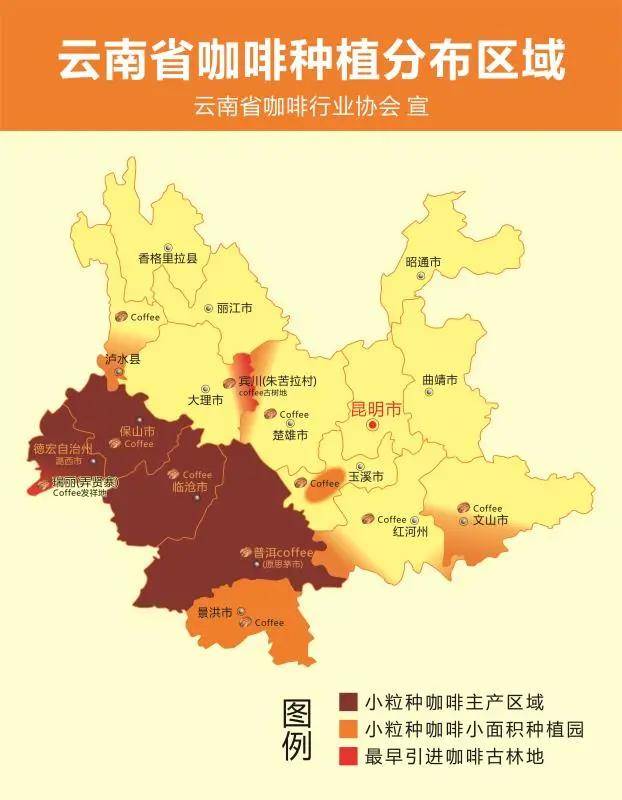
Take the representative Yunnan Baoshan producing region as an example. Coffee here is grown at an altitude of about 1,200 meters and undergoes washed processing and medium roasting. In terms of flavor, aside from the common notes of dried nuts and berries, it also exhibits distinct chocolate and citrus tones. The acidity is balanced, reminiscent of plums, and the aftertaste subtly carries a delicate tea-like finish. This well-rounded flavor profile makes it an ideal base bean in many blend formulations.
In practical applications, Yunnan small-grain coffee is highly suitable for Italian-style blends due to its reasonable price, stable supply, and inherent flavor characteristics. It provides moderate body and crema performance, and when paired with beans from other regions, it can effectively balance the overall flavor profile. For instance, a blend combining Yunnan small-grain with Brazil Cerrado is often used as the base for espresso blends. Here, the Brazilian beans offer stable nutty aromas and balanced taste, while the Yunnan beans contribute chocolate and citrus notes, resulting in an espresso that achieves good balance among acidity, sweetness, and bitterness. When made into Americano, you can enjoy rich nut and brown sugar aromas; in a latte, it displays a silky texture akin to almond and cream, making it an easy enjoyment even for beginner coffee lovers.
In summary, Yunnan small-grain coffee not only possesses rich potential in terms of flavor complexity but also demonstrates high flexibility and practical value in actual roasting and blending applications. From the details of washed processing, to the natural conditions of high-altitude producing regions, to its diverse roles in Italian-style blends, a deeper understanding of these aspects will help you select and use this distinctive specialty coffee bean more precisely.
The above content is compiled by CoffeeHunters, a coffee news website.


