








Introduction:Want to brew a latte with balanced flavor and delicate texture at home? Although a latte may seem simple, every step—from selecting coffee beans, determining the milk ratio, to the technique of integrating the milk foam and espresso—affects the final taste. This article will delve into the key elements of a latte, covering ingredient selection, coffee-to-milk ratio, as well as extraction and blending techniques before latte art, helping you master professional-level latte-making skills.
Although lattes are a common coffee beverage, brewing one with balanced flavor and smooth texture actually involves quite a bit of know-how. Many people find that the lattes they enjoy in cafés differ greatly from those they make at home, and the key often lies in three aspects: the quality of the coffee beans and milk, the coffee-to-milk ratio, and the practical operations of espresso extraction, milk frothing, and blending. By mastering these details, you too can brew a professional-grade latte.
Step 1: Choose the Right Coffee Beans and Milk
Lattes typically give an impression of being mild, rich, and mellow, which is directly related to the choice of coffee beans used. Most Italian-style blends produce lattes with strong notes of nuts and chocolate, and the presence of coffee is more pronounced. However, some blends can highlight the sweetness and silky texture of milk, depending on the blend recipe and roast level.
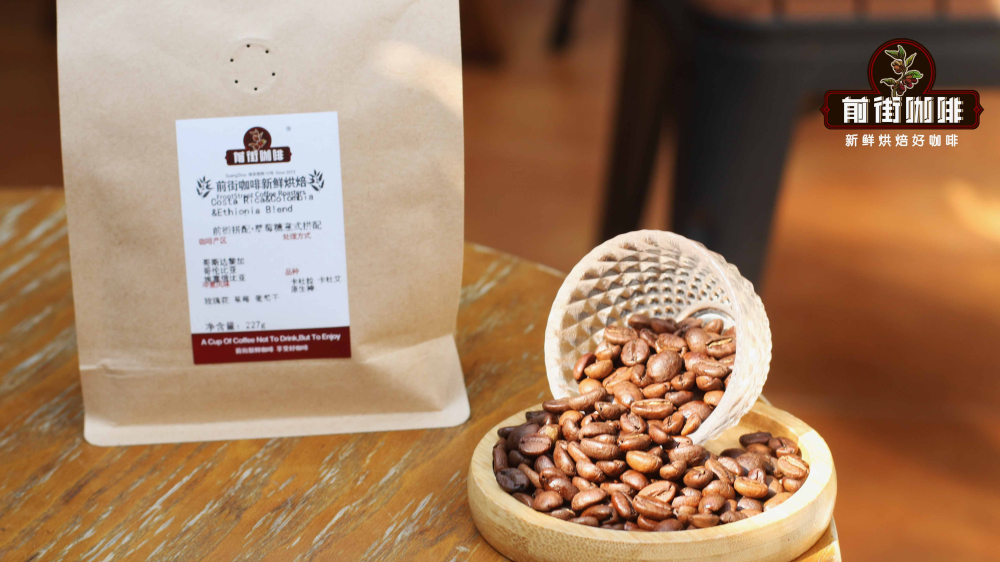
Take classic blend combinations for example—some use beans from Costa Rica’s Tarrazú and Ethiopia, along with Colombian Huila beans that carry chocolatey sweetness. Such combinations bring out a gentle sweet-and-sour profile and reveal rich crema and fine texture after extraction. These types of beans complement milk well when making lattes, producing layers reminiscent of strawberry taffy.

As for milk, many might think any whole fresh milk will do, but in fact, the quality of whole milk on the market varies considerably. Some have a strong milky flavor and thicker texture, while others feel more watery. The choice should be made according to the characteristics of the coffee. Ideal milk should not overpower the coffee’s aroma but rather blend with it to deliver a smoother mouthfeel. It’s recommended to try a few common brands to find the one that best suits your coffee beans.
Step 2: Master the Coffee-to-Milk Ratio
The ratio of coffee to milk is a crucial factor in determining whether a latte tastes good. If the proportion of milk is too high, the coffee flavor can easily become diluted and lack impact; conversely, if there’s too much coffee, the drink may end up tasting bitter. Generally speaking,the coffee-to-milk ratio for a latte falls roughly between 1:5 and 1:8, and can be fine-tuned based on personal taste or the characteristics of the coffee.
For instance, a blend based on Indonesian Mandheling and Brazilian beans, with a small addition of Robusta, can bring out intense chocolate and nutty notes. When paired with milk, it creates a smooth milk chocolate flavor. For such beans, it’s recommended to use a 1:6 ratio—for example, 40 grams of espresso liquid paired with 240 milliliters of steamed milk—to achieve the best balance in texture.

Step 3: Practical Details from Extraction to Blending
To make a successful latte, besides the ingredients and ratio, the actual process is key. First is the espresso extraction. It’s recommended to use 20 grams of coffee grounds to extract 40 grams of espresso liquid within 25 to 30 seconds, which will yield a rich espresso base with fine crema.
For the milk foam, the goal is to produce fine, velvety foam with good fluidity. The ideal foam thickness is about 5⁄6 full, and the temperature should be maintained between 55 to 60 degrees Celsius. This temperature enhances the sweetness of the milk without compromising texture due to excessive heat.
Next comes the blending of espresso and milk foam, a step that determines the overall consistency of flavor in the latte. The quality of blending directly impacts each sip—if it’s uneven, you might get a mouthful that’s mostly milk at first and then overly strong coffee later on.
Ideal blending should evenly mix the coffee crema with the milk foam. The surface should display a consistent color, known as the “golden circle,” and appear smooth without any large visible bubbles.
Blending Tips – Quick Reminder:
①Ensure Hardware Conditions Are Met: The espresso crema should be thick and viscous, and the milk foam needs to be fine and fluid. If the foam is too thick, it tends to float on the surface, leading to uneven blending. Before blending, gently shake the coffee cup and milk pitcher to improve liquid fluidity.
②Maintain Proper Pitcher Height: The distance from the spout to the coffee surface should be kept at about 5 to 10 centimeters. Being too low causes the foam to pile up on the surface, while being too high can create bubbles. This height can be slightly adjusted based on personal feel.
③It’s recommended to blend using a single-direction circular motion. Hold the coffee cup and milk pitcher in each hand, performing offset half-circle relative rotations with even pressure and alternating heights. This method effectively mixes coffee and milk. Try not to touch the cup walls during circling—the larger the rotation range, the more uniform the blend. Also, remember to slowly bring the cup back to upright to ensure no blending blind spots remain.

The above content is compiled by CoffeeHunters, a coffee news website.


