








Introduction:To brew a richly crema-ed and aromatic espresso at home, choosing the right coffee beans is the crucial first step. This article delves into how freshness impacts crema and flavor, features four classic espresso blends, details their origin profiles and unique flavor characteristics, and shares recommendations on milk selection and the golden ratio to help you master the precise parameters for making iced lattes. Whether you're new to espresso or looking to recreate café-quality flavors at home, you’ll find suitable blends and brewing inspiration here.
Many people assume that brewing the perfect espresso at home is simple, but in reality, every step—from selecting the beans, allowing proper aging, to controlling extraction—plays a vital role. A single misstep can significantly diminish the final flavor and mouthfeel. Among these, choosing the right coffee beans is the foundation that determines overall performance.
First, we need to understand that after roasting, coffee beans continue to release carbon dioxide. If this gas isn’t fully expelled, it will directly affect extraction flow rate and crema performance. Generally speaking, freshly roasted coffee beans enter their optimal extraction window between 5 to 14 days post-roast, while after about 50 days, the internal active gases have largely dissipated, and aroma and flavor noticeably decline. Therefore,when purchasing espresso blends, freshness is absolutely the top priority.

Below are four espresso blends that are highly popular among coffee enthusiasts. Each has its own distinct characteristics and is suitable for different brewing needs and flavor preferences.
The first is a classic blend, inspired by traditional flavor profiles from the last century, combining beans from Brazil’s Cerrado region, Indonesia’s Mandheling, and Vietnamese beans. This blend presents a rich layering of nutty sweetness, herbal, and woody notes, along with the bold crema from Robusta beans, delivering a taste experience that includes dark chocolate, roasted hazelnuts, maltose, and cocoa biscuits. It’s suitable for making lattes and can also produce a refreshing and sweet Americano.
The second is a commercial blend, designed for those wanting to replicate café-quality flavors or planning to open their own coffee shop. This blend uses Brazilian nutty sweetness as its base, paired with Colombian cocoa aromas and the stable crema from Vietnamese beans. The resulting espresso has intense roasty aromas with clearly defined layers of crema. It's not only great for making rich-tasting Americanos but also for pouring beautifully patterned lattes.
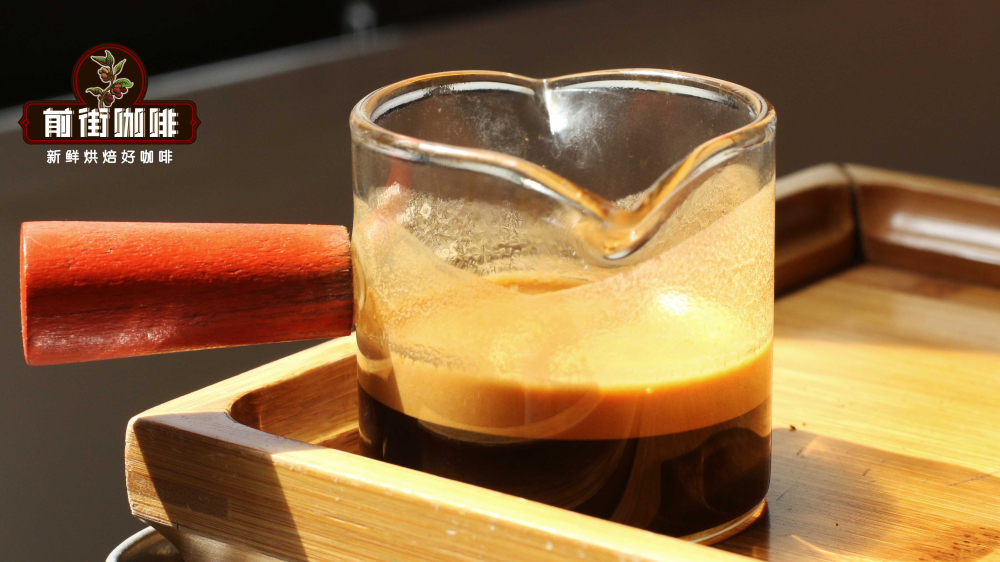
The third is the highly praised dark cocoa blend by baristas, combining the strengths of Yunnan small-bean variety and Brazilian coffee. The former offers delicate aromas without bitterness, while the latter brings natural peanut and nutty notes. This blend is known for its excellent cost-performance ratio, consistently producing flavors of creamy chocolate and breadiness. It suits drinkers who enjoy a smooth and mellow taste.
The fourth is a specialty blend, carefully selected from Brazilian Red Bourbon and Colombian washed beans, emphasizing refined cocoa and nut tones. This blend focuses on balance, whether used for Americano or latte, it showcases delicate milkiness and a rich body, especially appealing to enthusiasts who pursue layered flavors.
As for which milk pairs best with espresso, the choice of milk greatly affects the final drink’s texture. There are many types of whole fresh milk on the market—some emphasize milky aroma, others offer a crisper mouthfeel. It’s recommended to choose a product that complements the coffee’s flavor based on your personal taste preferences. Overly strong milkiness can mask the nuances of the coffee, while overly light milk can make the overall drink feel thin.
If you want to replicate café-grade lattes at home, it’s recommended to use a commercial blend with rich crema and noticeable aroma, paired with fresh whole milk. In practice, you can use 35 grams of espresso liquid, combined with 250 milliliters of fresh milk and 75 grams of ice cubes, to make an iced latte with balanced texture and clear flavors. Additionally, paying attention to extraction pressure and water temperature helps release the coffee’s oils, further enhancing overall performance.
The above content is compiled by CoffeeHunters, a coffee news website.


