







Introduction:Espresso is renowned for its intense flavor and deep mouthfeel, yet many are puzzled by its strong bitterness and distinctive crema. This article delves into the causes of espresso’s bitterness, the science behind crema formation, and key aging considerations. It will guide you through the evolution, extraction characteristics, and ideal ways to enjoy this classic coffee style — whether you’re a beginner or a coffee enthusiast, you’ll gain practical tips on tasting and selection.
Espresso is one of the most iconic beverages in the coffee world, concentrating the essence of coffee flavor into a small cup. It delivers a bold and layered taste. However, precisely because of its concentrated profile, the pronounced bitterness can make it challenging to enjoy on its own. As a result, outside of Italy, most people dilute it with water or milk, leading to the creation of popular coffee styles such as Americano, latte, and cappuccino.
This highly concentrated coffee is not only notable for its intense flavor but also for its unique layer of foam — the crema. Why is espresso so bitter? How is crema formed? And how should it be properly enjoyed and chosen? Below, we’ll break down these common questions step-by-step, from the sources of bitterness and the evolution of espresso machines, to the science of crema and suitable drinking contexts.
The bitterness of espresso is closely tied to its extraction method and the degree to which the coffee beans are roasted. The term "espresso" comes from Italian, meaning "fast," and it was originally designed to shorten coffee preparation time. In 1884, Italian Angelo Moriondo invented the first coffee machine with pressurized extraction capabilities, using about 1.5 bar of pressure to complete extraction quickly. As a result, the resulting coffee liquid was richer, thicker, and distinctly different from regular drip coffee.
With technological advancements, in 1948, Milanese barista Achille Gaggia developed a lever-operated coffee machine capable of generating up to 9 bar of pressure. This not only improved extraction efficiency but also released fine bubbles from the coffee — what we now call crema. This golden-brown, fine-textured foam has gradually become an important indicator of espresso quality.
In traditional Italian-style blends, to achieve a rich, rounded mouthfeel, most blends use dark-roasted beans, sometimes even mixed with a certain proportion of Robusta to enhance oiliness and aroma intensity. However, with the rise of specialty coffee trends, many producers have also introduced light to medium roast beans, highlighting brighter berry acidity and fruity layers. For example, some shops offer espresso blends that often feature fermented wine notes, sweet-tart berries, along with soft vanilla and fruity acidity, delivering an elegant yet full-bodied taste.
When it comes to the unique appearance of espresso, the most eye-catching element is the fine, velvety layer of crema on the surface. So how is this golden-brown foam formed? The key lies in the interaction between carbon dioxide in the coffee beans and high-pressure extraction.
Freshly roasted coffee beans release large amounts of carbon dioxide. Under high-temperature, high-pressure extraction conditions (typically above 9 bar), this gas is forced out from the coffee cells. At the same time, hot water extracts the natural oils from the coffee, and through emulsification, these oils combine with the gases to form tiny, dense bubbles that eventually rise to the surface of the coffee liquid, creating crema.
The quality and quantity of the crema are closely related to the roast level and the freshness of the beans. Generally speaking, the darker the roast, the more gas is released, and the richer the crema produced. Similarly, the fresher the roast date, the more carbon dioxide the beans retain, aiding in the formation of a thicker crema. However, too much gas can actually hinder extraction, potentially blocking the release of flavor compounds. Therefore, it is recommended to let the coffee beans “age” for a period to allow excess gases to dissipate naturally, achieving a more stable extraction. In practice,it is suggested to start using the beans 7 to 10 days after roasting, as this period usually achieves the best balance between crema and extraction.
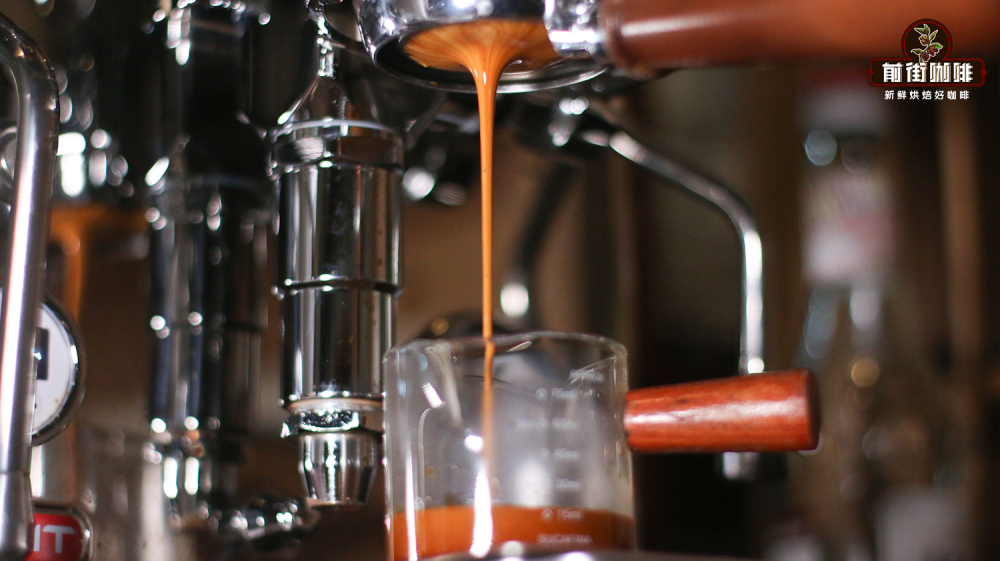
For consumers new to espresso, the intense flavor may be off-putting at first. But if you’re up for the challenge, it’s recommended to try a freshly extracted shot yourself — observe its color, aroma, taste, and aftertaste, and experience the essence of Italian coffee culture. However, if straight espresso feels too strong, you might opt for an Americano made by adding hot water, or go for classic milk-based drinks like latte, cappuccino, or flat white, all of which still showcase the diverse charm of coffee beans.
It’s worth mentioning that while many coffee shops may not directly sell single-origin espressos, espresso is actually the base for all specialty coffee drinks. The flavor performance of a great latte or cappuccino often hinges on the extraction quality of the espresso base. Therefore, for baristas, the art — and skill — lies in consistently extracting espresso with the desired flavor profile while highlighting the inherent characteristics of the coffee beans. For consumers, understanding these underlying principles can also help you better choose and appreciate the unique qualities of each cup.
The above content is compiled by CoffeeHunters, a coffee news website.


