







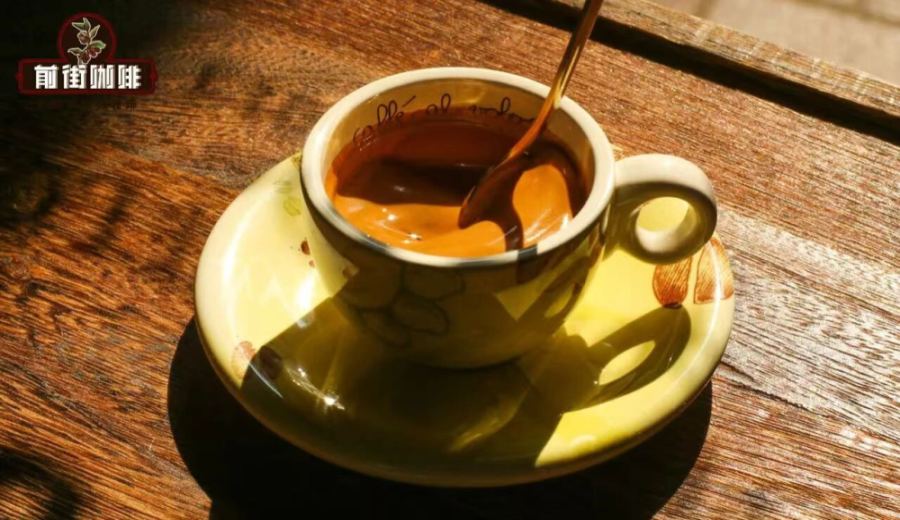
Introduction:Do you think espresso can only be intense and bitter? With the right bean selection and extraction techniques, espresso can also showcase delightful sweetness. This article explores the principles behind sweetness by examining roast levels and regional characteristics, and highlights five espresso beans with prominent sweet profiles—both blends and single-origin options. It also provides a detailed guide on using a double basket, including extraction steps, time control, coffee-to-water ratio, and tamping techniques, helping you brew a rich, balanced, and sweet espresso with a velvety crema at home.
Many people’s first impression of espresso is its strong bitterness, but in reality, with the right coffee beans and precise control over extraction conditions, a sweet and flavorful espresso can be easily achieved. This article will analyze how sweetness develops during the roasting process from two perspectives: roast depth and regional characteristics. It recommends five bean varieties ideal for crafting high-sweetness espresso, including Strawberry Sugar Espresso Blend, Costa Rica Blackberry SOE, Colombia Geisha SOE, Brazil Queen Estate SOE, and Brazil Cerrado Red Bourbon SOE. Detailed double-basket extraction procedures are provided, covering key operational details such as dose, coffee-to-water ratio, extraction time, and tamping, allowing you to easily replicate a sweet, well-balanced espresso with a delicate crema at home.
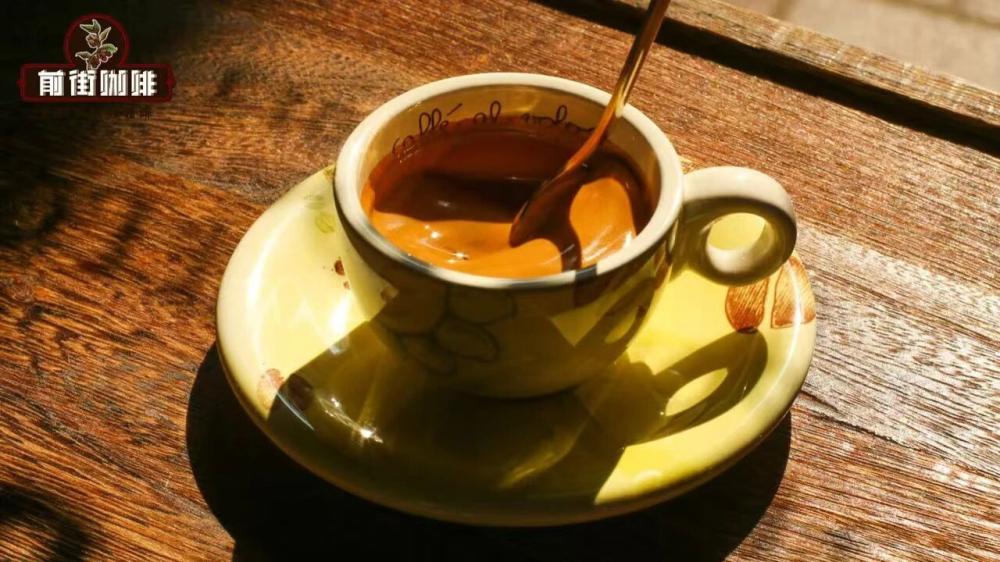
In most people’s minds, espresso is synonymous with "bitterness," but this is actually a misconception. By selecting coffee beans with suitable flavor profiles and precisely controlling variables such as water temperature, pressure, and time during extraction, espresso can also exhibit rich sweetness, even with caramel, honey, or dried fruit-like aftertastes. The key lies in understanding how roasting affects flavor expression and how to extract sweetness effectively.
Generally speaking, during the heating and roasting process of coffee beans, sweetness-related compounds are released first, followed by acidity, and finally bitterness and roasted aromas. Therefore,Medium-dark roastsare usually the range where sweetness is most prominent. While overly dark roasts may have intense caramel notes, the sweetness can actually decline due to carbonization. Additionally, from a regional perspective, African beans are often celebrated for their bright acidity and floral-fruity notes, Asian beans tend to lean toward bold spice and woody tones, whileCentral and South American beansnaturally possess a caramel and nutty foundation, often exhibiting higher sweetness levels, making them particularly well-suited for espresso preparation.
If you’re looking to select suitable coffee beans at home, it’s recommended to choose beans from reputable roasters and opt for freshly roasted ones (within 7–21 days of roasting). These beans not only have clearer flavors but also help extract richer sweetness and complexity.
Next, we’ll introduce five highly acclaimed espresso bean varieties with outstanding sweet profiles, perfect for coffee enthusiasts who want to brew sweet espresso at home.
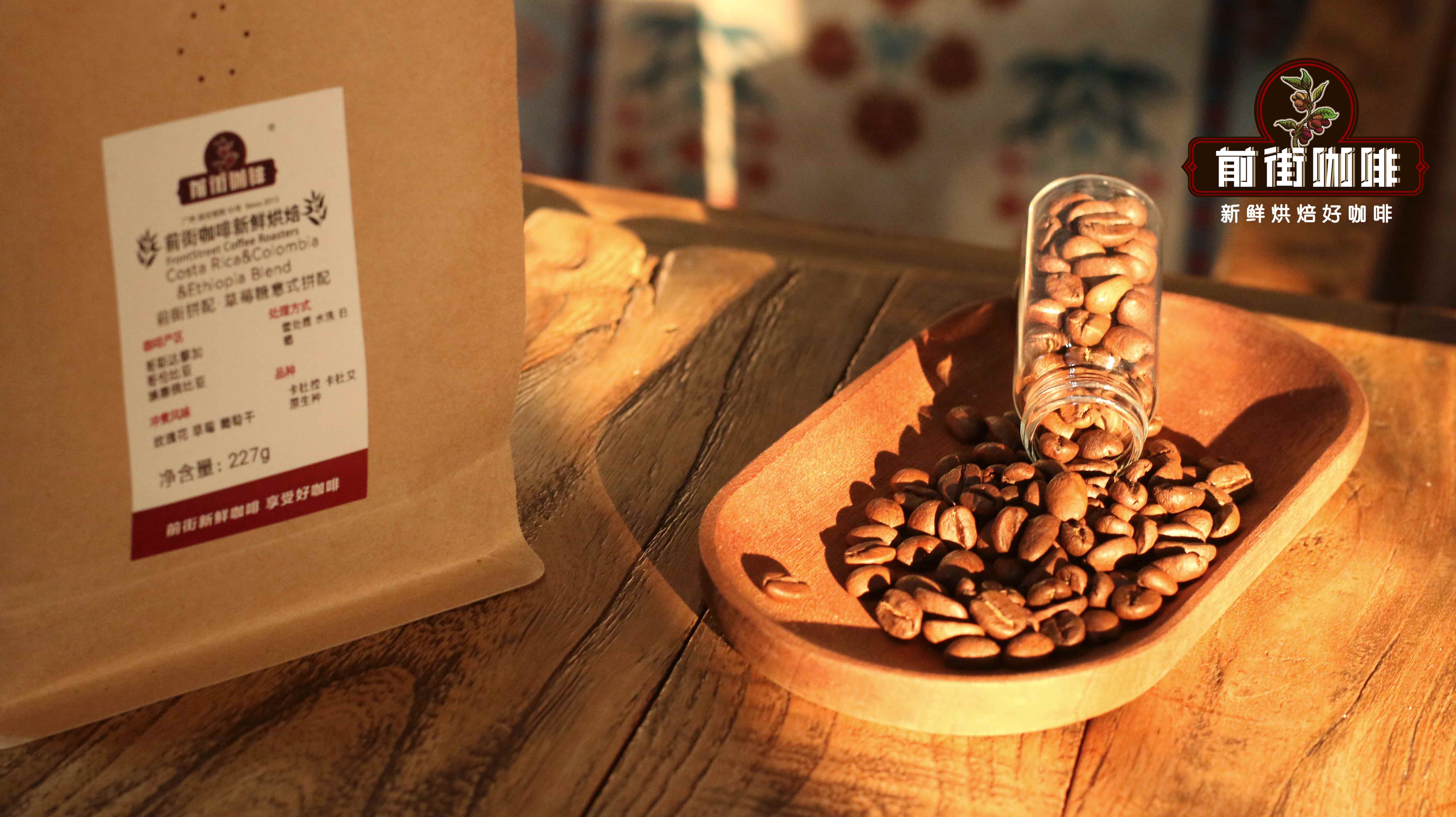
High-Sweetness Espresso Bean Recommendation ① Strawberry Sugar Espresso Blend
This blend combines the honey-like sweetness of Costa Rica honey-processed beans, the citrus and floral notes of Ethiopian beans, and the chocolate and nutty tones of Colombian beans, resulting in a unique flavor profile with aromas of rose, strawberry soft candy, and dried blueberries. The extraction yields a smooth mouthfeel, balanced acidity and sweetness, and a finish with almond-like afternotes. The crema is delicate and intense, making it ideal for those who enjoy a balance of fruity notes and sweetness.
High-Sweetness Espresso Bean Recommendation ② Costa Rica Blackberry SOE
Featuring distinct blackberry, longan, and honey sweetness, this SOE offers a rich yet balanced flavor profile with gentle acidity and a smooth, full-bodied mouthfeel. Suitable for those who dislike strong acidity but still seek diverse flavors, it retains an elegant sweetness and balanced taste even when brewed as an americano.
High-Sweetness Espresso Bean Recommendation ③ Colombia Geisha SOE
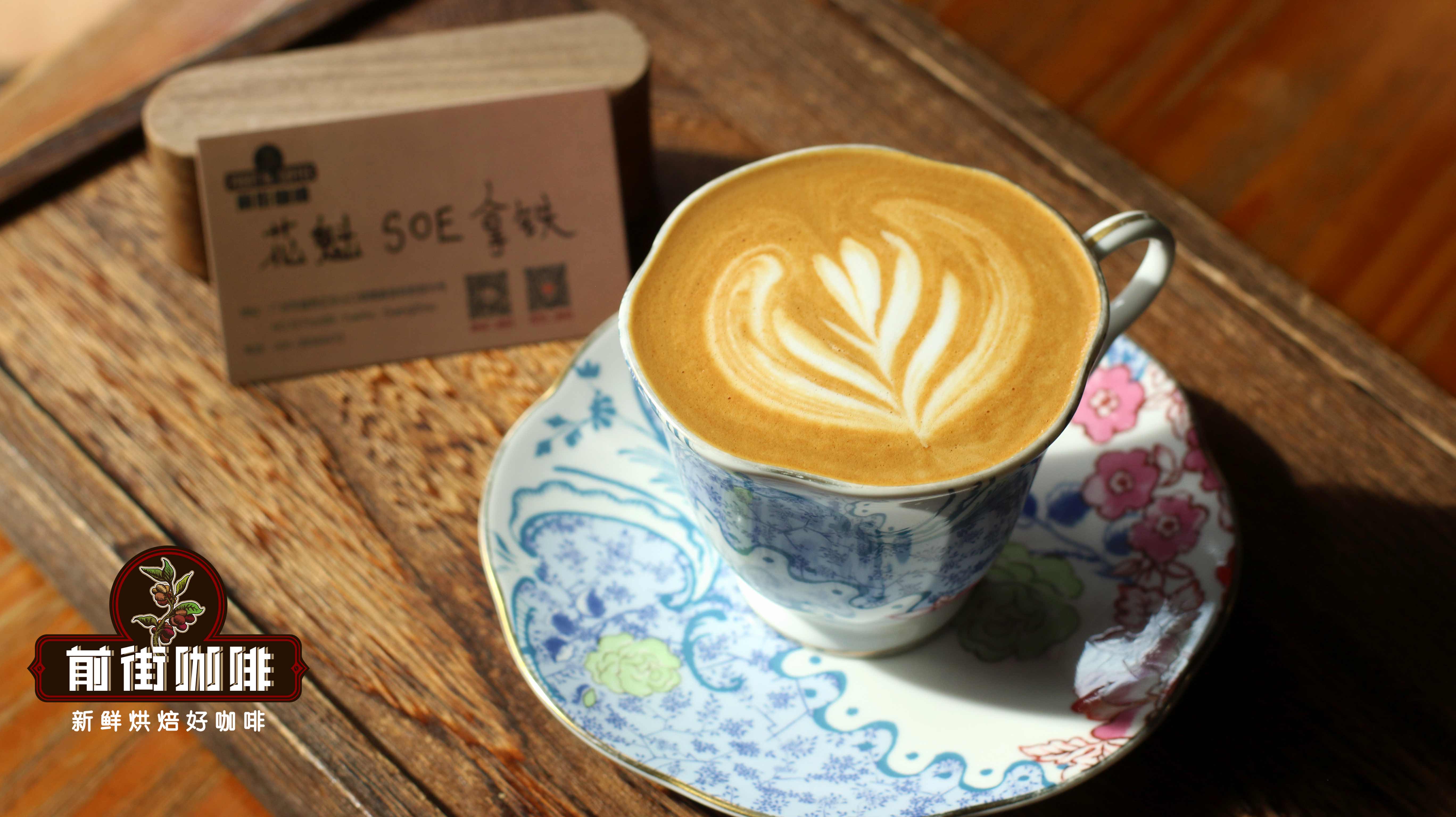
This SOE is anchored by intense passionfruit, grape, and apricot aromas, with a lingering sweetness that includes hints of chocolate and subtle spices. The finish is reminiscent of fruity wine, captivating and smooth. Ideal for those who love rich fruity notes without bitterness, it shines as an iced americano with a refreshing, grape juice-like appeal.
High-Sweetness Espresso Bean Recommendation ④ Brazil Queen Estate SOE
A medium-roasted Brazilian bean, its flavors revolve around toasted bread, peanuts, butter, and cookies, delivering a mellow sweetness with a grainy undertone. Perfect as a latte or americano base, it brings out a rich chocolate-milk sensation or a gentle caramel sweetness.
High-Sweetness Espresso Bean Recommendation ⑤ Brazil Cerrado Red Bourbon SOE
This red bourbon bean features dominant nutty and chocolate aromas, with low acidity and pronounced sweetness. Suited for those who dislike acidity and prefer stable, full-bodied flavors, it’s commonly used as a milk coffee base or paired with coffee desserts.
Espresso Extraction Steps and Parameter Settings (Using Strawberry Sugar Blend as Example)
This demonstration uses a double basket, with a recommended dose of approximately 18–20 grams, using 20 grams as the baseline. The target coffee-to-water ratio is 1:2, yielding 40 grams of espresso. Extraction time is advised to be controlled between 20–35 seconds, with 28–30 seconds being the optimal range to achieve a balanced flavor and noticeable sweetness. Times shorter than this may result in underdeveloped flavors, while exceeding 35 seconds risks over-extraction and unwanted burnt bitterness.
Before extraction, ensure the portafilter is thoroughly dried. Grind the appropriate amount of coffee beans using a grinder, and weigh it precisely to 20 grams using a scale. Use a distribution tool to evenly spread the grounds, then apply vertical pressure with a tamper to ensure a compact and level puck—this enhances extraction stability and sweetness expression.
Before starting extraction, run water for 1–2 seconds to wet the group head and remove any residual coffee grounds. Place the cup under the spout and set an electronic scale beneath it to zero for accurate measurement. Gently lock the portafilter into the group head, start the extraction, and observe flow rate and liquid color changes. When the scale reads 40 grams and the time is between 28–30 seconds, turn off the extraction.
Note that extraction parameters can vary based on factors such as humidity, bean freshness, and grind size. Adjust dose, grind fineness, and extraction time as needed for each session to achieve optimal sweetness and mouthfeel.
The finished espresso can be enjoyed directly, ideally paired with water to cleanse the palate and better appreciate its delicate crema and rich texture. For a softer profile, adjust concentration and sweetness balance to personal preference by adding hot water or milk.
The above content is compiled by CoffeeHunters, a coffee news website.


