







Introduction:Choosing the right coffee beans and brewing method is key to enjoying a great cup of coffee. This article delves into the flavor profiles of globally renowned beans from regions such as Jamaica Blue Mountain, Indonesia Mandheling, and Ethiopia Mocha, covering acidity, sweetness, body, and aroma layers to provide detailed reference. It also introduces the composition and traditional ways to enjoy classic espresso-based drinks like latte, cappuccino, and mocha, along with practical advice to help you find your ideal coffee match.
Whether you're spending a weekend afternoon alone at a street-corner café or sharing a good cup of coffee with friends at home, choosing the right coffee can set the perfect mood for the whole afternoon. With so many Americano and espresso options on the market, can you distinguish the unique flavors of each? This article will systematically introduce the characteristics of global classic coffee beans — including Jamaica Blue Mountain, Indonesia Mandheling, Ethiopia Mocha, Brazil, and Kenya — from origin, processing method, to post-brewing aroma and taste layers. It also deeply explores the composition and traditional drinking methods of espresso-based drinks like latte, cappuccino, Irish coffee, macchiato, and con panna, helping you find the most suitable coffee based on your personal taste preferences.
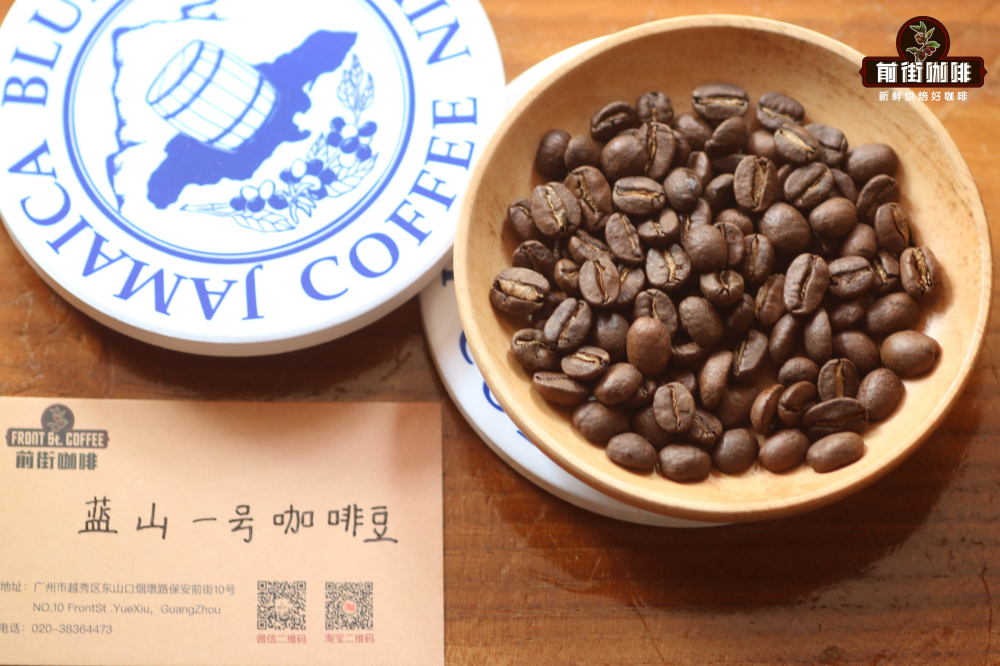
Let’s start with American-style coffee. First up is the highly acclaimed Jamaica Blue Mountain coffee, grown in the Blue Mountains of Jamaica and recognized worldwide as one of the finest coffees. Blue Mountain coffee boasts rich and layered aromas, gentle bitterness upon entry paired with a clear sweetness on the finish, smooth and rounded mouthfeel, and soft yet distinct acidity — making it ideal for savoring. This balanced harmony of sweet, sour, and bitter flavors has earned it the title of “King of Coffee” among enthusiasts and is a classic favorite recommended by many specialty coffee shops.
Next is Mandheling coffee from Indonesia’s Sumatra region, known for its strong personality and bold flavor. Influenced by the local volcanic soil and high humidity, Mandheling features a thick body, often accompanied by distinct smoky notes and deep bitterness, along with excellent sweet aftertaste. Its flavor is intense and full-bodied, with a clear interplay of bitter and sweet, making it a top choice for those who prefer bold flavors and dark roasts.
Coming from Africa, Ethiopia Mocha may be small in bean size but delivers extremely high aromatic intensity. It’s characterized by bright, lively acidity and citrus-like freshness, with delicate and enchanting aromas that include subtle floral and berry notes. The cup is mellow, with a long, smooth aftertaste — a dream bean for many pour over enthusiasts. Its rich aroma layers and well-balanced sweet and sour profile make it excellent for single-origin coffee experiences.
Brazilian coffee is one of the largest-producing coffee nations, renowned for its stable quality. Brazilian beans typically have medium-to-high acidity that complements their inherent sweet and bitter notes, offering a smooth mouthfeel with hints of grassy and nutty tones, and a refreshing, comfortable finish. They’re often used in blends to provide a stable flavor base and suit consumers who prefer light and balanced profiles.
Kenyan coffee mostly uses high-quality Arabica varieties, featuring rich, full-bodied flavors and pronounced acidity, beloved by many European coffee aficionados — especially favored in the German market. Kenyan beans have a clear flavor profile, often with tart-sweet notes of blackcurrant and berries, alongside solid body and long-lasting aftertaste, making them ideal for coffee lovers who pursue layered and fruity profiles.
Turning to the world of espresso-based drinks, the first must-mention is the latte. This classic drink consists of espresso and a large amount of steamed milk, topped with a fine layer of microfoam. The aroma of the milk and the bitterness of the espresso achieve excellent balance, resulting in a smooth cup that’s a favorite among many female coffee drinkers. The ideal latte ratio is usually 1/3 espresso, 2/3 milk, plus a thin layer of foam.
The cappuccino combines espresso, steamed milk, and foam in equal parts, often topped with a sprinkle of cocoa powder or cinnamon for added aroma. Its texture is soft and harmonious, with foam thicker than that of a latte, giving it strong decorative appeal and showcasing personal taste. Paying attention to milk temperature and froth density during brewing is key to influencing its flavor layers.
If you enjoy a balance of sweetness and bitterness, mocha is a great option. Built on an espresso base and enriched with chocolate syrup, whipped cream, and cocoa powder, it offers a rich and silky mouthfeel. This drink is sweet without being cloying, suiting a wide range of palates, and is often enjoyed as a winter warmer.
Irish coffee is a creative beverage combining coffee and alcohol, made with specially prepared espresso, whiskey, sugar, and whipped cream. The whiskey enhances the depth of the coffee’s aroma, while the whipped cream softens the overall taste — making it an excellent choice for a cozy winter nightcap.
Finally, we introduce two simple yet distinctive espresso-based drinks: the macchiato features only an espresso base topped with two spoonfuls of dense microfoam, allowing you to savor the true essence of coffee while enjoying the creamy texture of the foam. The con panna is espresso drizzled with whipped cream, which can be consumed as-is or mixed. Once the cream and coffee oils meld, it creates a rich and smooth mouthfeel, making it a classic pairing choice in Italian coffee shops.
The above content is compiled by CoffeeHunters, a coffee news website.


