







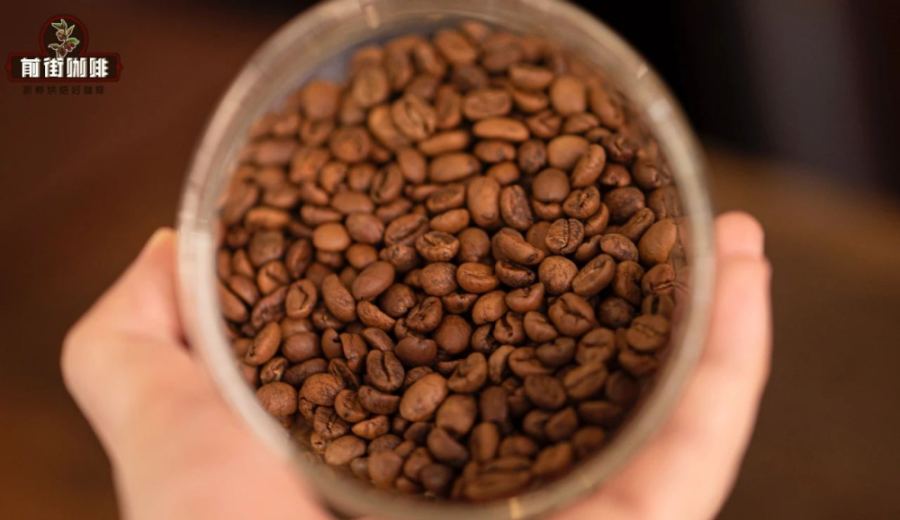
Introduction:As the giant of the Arabica family, the Maragogype bean is renowned for its exceptionally large size and unique flavor profile. This article delves into its origins, ideal growing regions, natural sun-drying processing method, refined roasting profiles, and optimal brewing techniques. It also compares its hybrid counterpart, Pacamara, helping you fully appreciate the charm of this rare coffee variety.
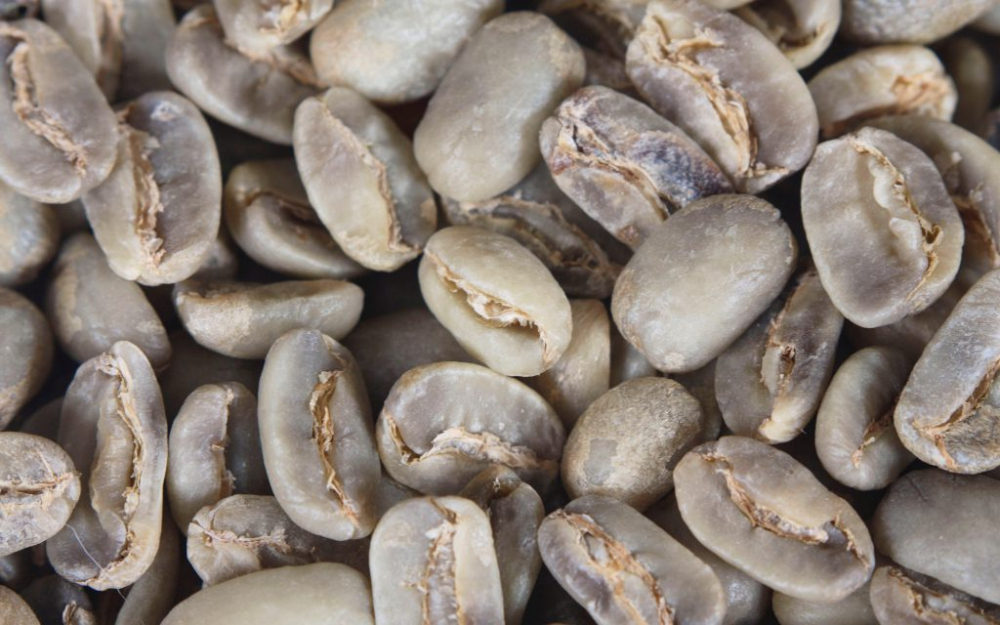
Among the many Arabica coffee varieties, the Maragogype (scientific name: Maragogype) is undoubtedly one of the most eye-catching. This coffee bean was first discovered in 1870 in the Maragogipe region of Bahia, Brazil, hence its name. Research shows that it is a natural mutation of the Typica variety, with beans that can be up to three times the size of a typical Arabica bean. Not only is its appearance notably large, but its size often reaches 20 mesh or even higher—remarkable considering that 17–18 mesh is already considered high-grade in the industry.
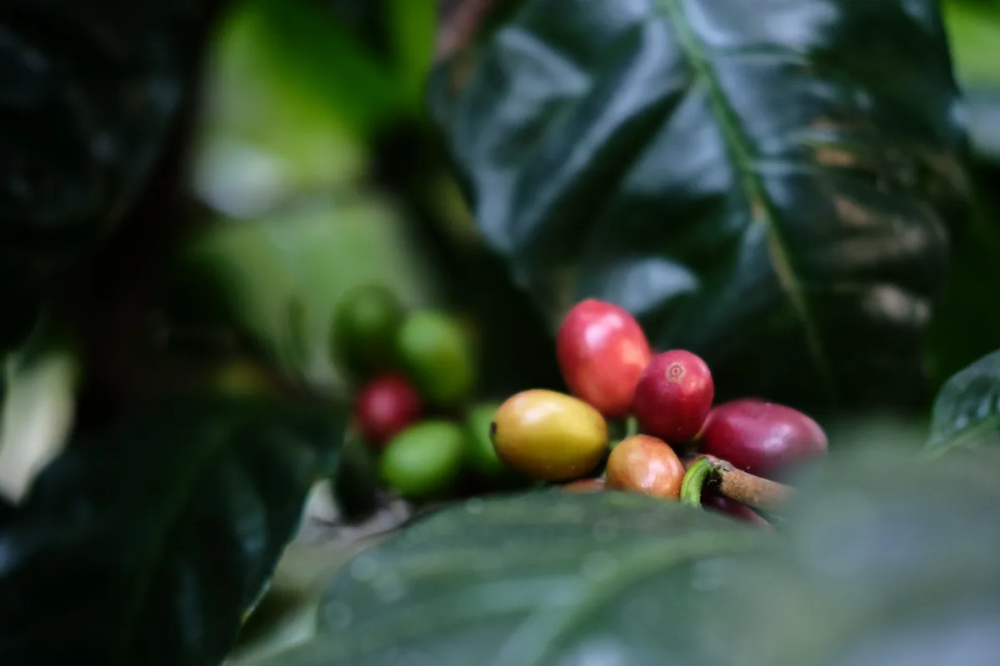
The Maragogype is not only astonishing in size, but its plants are also taller than those of other common varieties, with dense foliage that demands more growing space and nutrients. Coupled with a long growth cycle—it typically takes over five years before the plant begins to bear fruit—and the challenges of harvesting and management, its yield remains scarce. Currently, it is mainly grown in a few Latin American countries, including Brazil, Nicaragua, Mexico, and Guatemala. Among these, the Mammina Estate in Nicaragua (owned by the Miery Xu family) stands out due to its volcanic soil and high-altitude environment, producing particularly outstanding Maragogype beans.
With a long history dating back to 1908, this estate has been dedicated to coffee cultivation and owns nine high-quality farms spread across Nicaragua and Honduras. Several of its Nicaraguan farms, located in high-altitude regions, are especially suitable for growing Maragogype. With planting elevations above 1,500 meters and shade-grown cultivation methods, the estate’s Maragogype beans boast intense and layered flavors. Tasters often detect notes of blackberries, dark plums, and citrus, paired with a smooth, sweet mouthfeel, showcasing a robust and rich flavor structure.
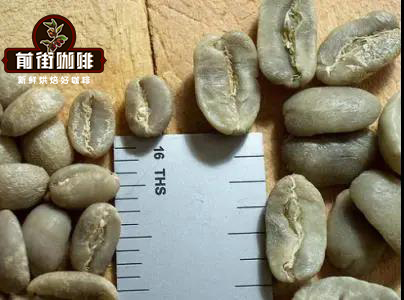
These Maragogype beans from Nicaragua are processed using the traditional natural (sun-dried) method. Natural processing is one of the oldest coffee processing techniques. The steps include: first placing the harvested coffee cherries in water tanks where buoyancy is used to sort them—mature, dense cherries sink while unripe or overripe ones float and are removed. The healthy cherries are then spread out on patios and sun-dried over several days until their moisture content drops from around 60% to 12–15%. Finally, a hulling machine removes the pulp and parchment, leaving behind clean green coffee beans.
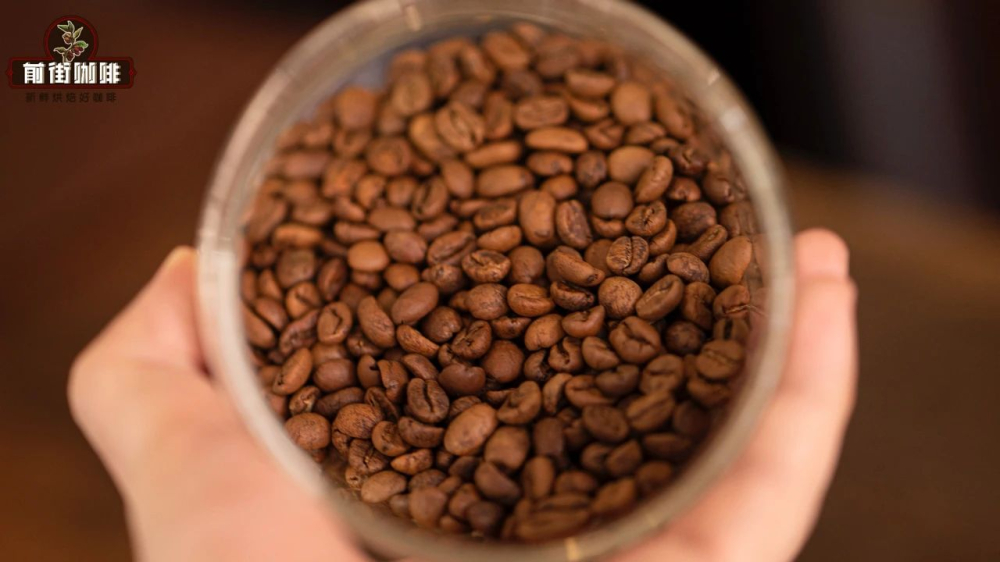
In terms of roasting, due to the Maragogype’s large size, the dehydration and heating processes require extra care. It is recommended to use a medium-light roast, maintaining a low ramp rate for steady heating, extending the dehydration phase, and minimizing the temperature difference between the core and surface of the bean to ensure even roasting overall. Practical roasting reference as follows: using a Yangjia 700N machine, 300g of green beans, drum entry temperature at 175°C, initial flame power at 120, air damper set to 3; turnaround point at approximately 1’32” with temperature at 100.9°C, then when drum temperature drops to 140°C, adjust air damper to 4, maintaining flame power; at 151.2°C, when the bean surface turns yellow and grassy notes fade, begin the dehydration phase; once drum temperature reaches 166°C, reduce flame power to 110, keeping the air damper at 4; at 183.3°C, adjust air damper to 5, then at 188°C reduce flame power to 50, keeping the air damper unchanged; first crack occurs around 9’08”, with development continuing for 1’40” post-first crack, and the final roast is dropped at 196°C.
For brewing recommendations, a staged extraction method is advised to fully highlight its layered flavors. Suggested parameters are: 15g of coffee grounds, a 1:16 coffee-to-water ratio, 91°C water temperature, and a grind size recommended to be medium-fine (approximately 78% passing through a 20-mesh sieve). Begin with a 30-second bloom using 30g of water, then pour in a slow, circular motion until reaching 150g for the first pour. When the water level nears the coffee bed, pour again to 240g, then stop and let the water level in the filter drop before removing the filter. The total brew time is approximately 1’56”. Under these parameters, prominent citrus and brown sugar aromas often emerge, with nutty notes in the mid-palate, and a strong maple-like sweetness in the aftertaste, delivering an overall balanced and layered flavor experience.
Speaking of the Maragogype, its well-known hybrid counterpart—the Pacamara—must also be mentioned. Pacamara is a cross between Pacas and Maragogype, combining Pacas’ high yield and environmental adaptability with Maragogype’s large bean size and excellent acidity. Though its bean size is about 70% to 80% that of the Maragogype, it is still noticeably larger than a standard Arabica bean. Pacamara has consistently performed well in El Salvador’s Cup of Excellence competition and is one of the most talked-about varieties in the specialty coffee market.
The above content is compiled by CoffeeHunters, a coffee news website.


