







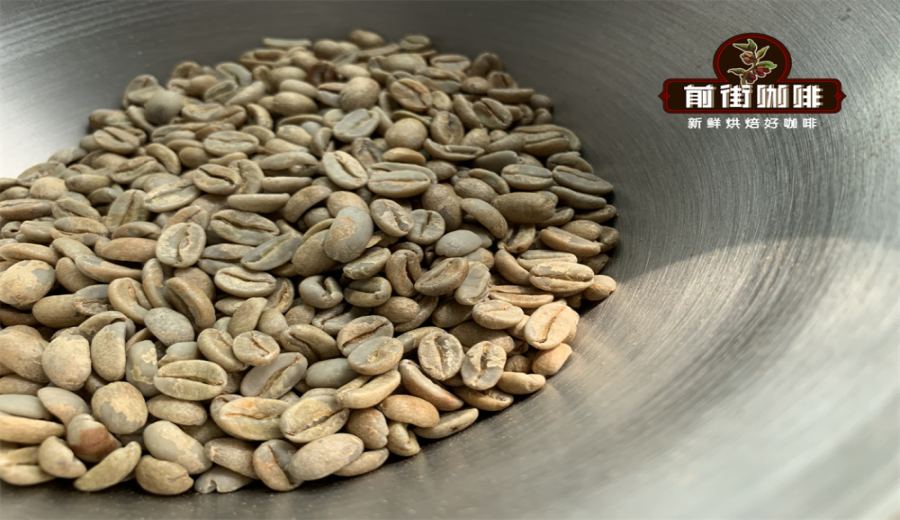
Introduction:Delve into the world’s three major mainstream coffee cultivars: Arabica (small-bean), Robusta (medium-bean), and Liberica (large-bean). From botanical classification, physical characteristics, flavor profiles to suitable growing regions and processing methods, this comprehensive comparison highlights their differences to help you better understand the traits of different coffee beans and choose your preferred flavor profile with precision.
There are many varieties of coffee plants, but the main cultivated types used for commercial consumption are limited to three: the small-bean Arabica, the medium-bean Robusta, and the large-bean Liberica. These three cultivars differ significantly in plant morphology, fruit size, flavor profiles, environmental adaptability, and commercial value. This article will systematically analyze their distinctions from aspects such as botanical classification, visual identification, flavor performance, and origin distribution. It will also clarify the actual variety classification of Yunnan’s so-called "small-bean coffee" to help coffee enthusiasts gain a deeper understanding of the origins of the coffee they drink daily.
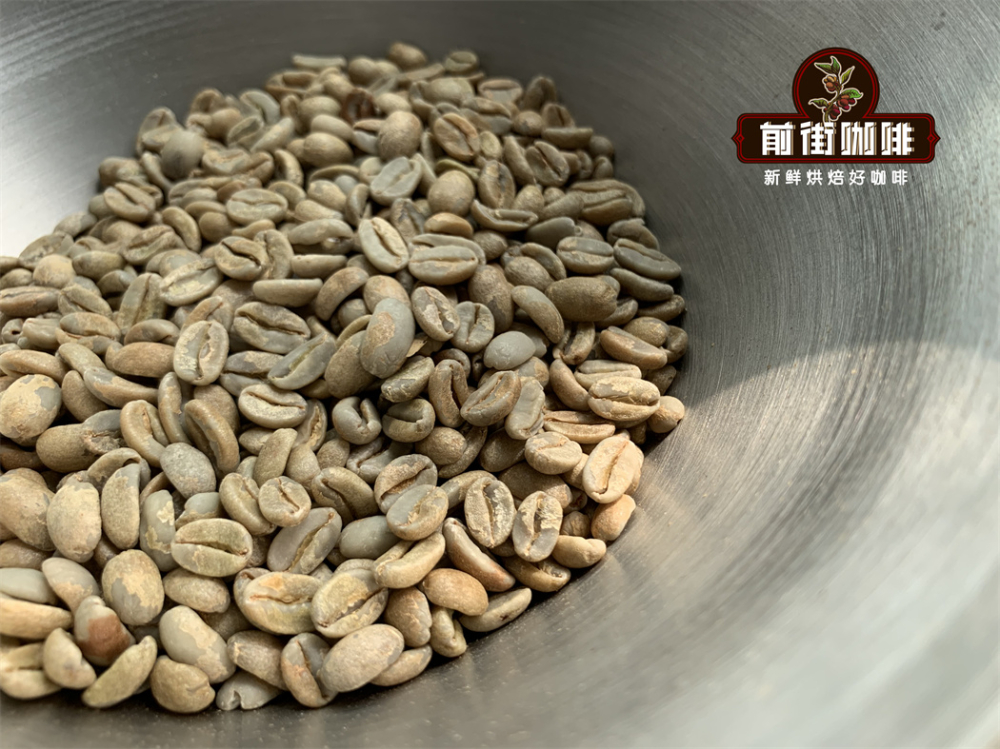
Coffee belongs to the Rubiaceae family, with over a hundred known coffee species worldwide, about eighty of which have been formally identified. However, only a relatively limited number are widely cultivated and used for beverage production, primarily falling under the three major cultivars: Arabica, Robusta, and Liberica. These three types of coffee beans are categorized as small-bean, medium-bean, and large-bean, respectively, based on fruit size and botanical characteristics.
Large-bean coffee: The uniqueness of Liberica
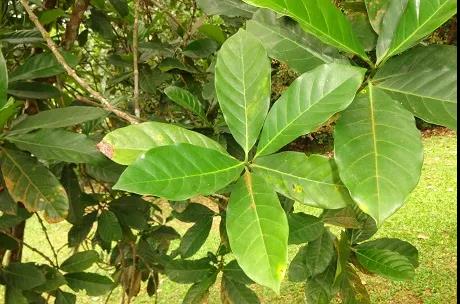
Large-bean coffee, also known as Liberica, is an evergreen tree that can grow over 10 meters tall, with sturdy branches that grow obliquely upward and a fast rate of cork formation. Its leaves are elliptical or nearly round, with a glossy, leathery surface, pointed tips, and smooth edges without undulations. The fruit is oblong, noticeably larger than the other two varieties, with thick and hard skins and flesh, and a prominent navel. This variety has a deep and long taproot, making it relatively drought-resistant, with moderate resistance to wind and cold, but it requires high sunlight exposure and is highly susceptible to rust disease. Although individual plant yields are not low, the low planting efficiency per unit area, combined with difficult processing, results in relatively low commercial value.
Liberica was first discovered in Liberia, West Africa. Its coffee trees are significantly taller than those of Arabica and Robusta, and it also exhibits stronger overall environmental adaptability and disease resistance. Visually, the leaves of Liberica are generally larger than those of typical coffee varieties, and its fruits are notably bigger with thick skins. The process of removing the pulp and mucilage layer is more cumbersome, making post-harvest processing more time-consuming and labor-intensive. Currently, the global economic cultivation proportion of Liberica is extremely low, accounting for only about 1% of total coffee production, mainly scattered in places like Malaysia. It rarely circulates in the market and is seldom discussed in professional circles.
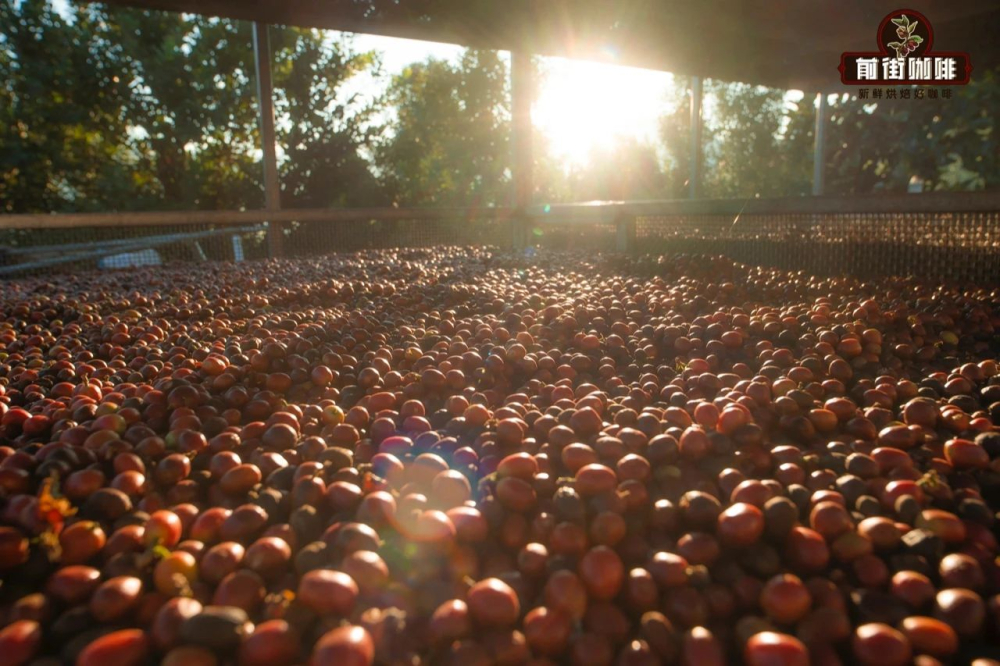
Medium-bean coffee: The resilience and boldness of Robusta
The medium-bean type generally refers to Robusta (Coffea canephora), which originated in the Congo region of Central Africa and is classified as a medium-bean coffee. Although it falls under the Canephora species taxonomically, in commercial cultivation, only Robusta is widely promoted, making it almost synonymous with this species line. Natural hybrid varieties of Robusta and Arabica, such as Timor and Catimor, are also widely planted and are discussed under the Arabica category.
In terms of cultivation conditions, Robusta has extremely high environmental adaptability. It can withstand high temperatures, cold, drought, and humidity, with high survival rates and stronger resistance to pests and diseases. Particularly, its caffeine content is relatively high, ranging from approximately 1.7% to 3.0%, about double that of Arabica. Caffeine itself is a plant’s natural defense mechanism, effectively repelling most pests. Robusta beans are slightly rounder and smaller, with a flat, oval shape. The center line is concave in a straight line, differing from the curved indentation of Arabica.
Robusta is usually grown in low-altitude areas, requiring no complex manual management or meticulous harvesting processes. In many regions, mechanized, unified processing can be employed, reducing production costs. As a result, Robusta is generally priced lower than Arabica and is widely used in instant coffee, canned coffee, or blended coffee recipes to provide a strong body and intense bitter-sweet flavor, catering to consumers who prefer a bold taste.
Small-bean coffee: The diversity and elegance of Arabica
Arabica is the world’s most predominant coffee cultivar, accounting for about 70% of total production. Originating from Ethiopia in Africa, it is a small-bean type and the main source of what the market commonly refers to as "specialty coffee" or "premium coffee." Arabica is renowned for its diverse flavor expressions and relatively low caffeine content (approximately 0.9% to 1.5%), making it the top choice for most coffee enthusiasts.
Historical records indicate that early residents of Ethiopia would chew coffee leaves for stimulation and use the fruit for medicinal purposes. It wasn’t until Arab scholars studied and began promoting the roasting and brewing methods that it gradually evolved into today’s coffee culture. Well-known specialty coffees such as Jamaican Blue Mountain, Panamanian Geisha, and Ethiopian Yirgacheffe all belong to the Arabica variety. This species has strict requirements for growing conditions, with an ideal altitude range of 800 to 2200 meters and a need to avoid frost. At high altitudes, the large diurnal temperature variation helps slow down fruit ripening, allowing coffee to accumulate richer flavor compounds and develop more complex aromas and layers.
However, high-altitude cultivation also means higher pest risks and slower growth cycles, requiring more manual input for meticulous management and harvesting, resulting in relatively higher overall costs. Additionally, Ethiopia is home to over 2,500 sub-varieties of Arabica, showcasing extremely high genetic diversity, which also forms an important foundation for the country’s rich coffee culture.
The truth about Yunnan’s “small-bean coffee”
The often-heard "Yunnan small-bean coffee" on the market is mostly Arabica or its cultivated variants. Despite the term "small-bean" in its name, it does not refer to Liberica. Instead, it is termed "small-bean coffee" locally because its beans are relatively small in size and are marketed to differentiate them from the medium-bean Robusta grown in places like Hainan. As an important coffee-producing region in China, Yunnan’s output of Arabica coffee has seen continuous quality improvement, becoming a notable supply source in both domestic and international markets.
In summary, the three major coffee varieties—Arabica, Robusta, and Liberica—each represent distinct flavor tendencies, cultivation conditions, and consumer positioning. Understanding their characteristic differences helps consumers make more suitable choices when purchasing coffee beans based on their personal taste preferences.
The above content is compiled by CoffeeHunters, a coffee news website.


