







Introduction:Have you ever been puzzled by the long bean names on coffee packaging? In fact, each name contains key information about origin, processing method, and grade. This article delves into common naming logic—from region, competition titles, and estate characteristics to the origins of Mandheling—and explains grading labels like G1 and AA. It helps you accurately grasp the flavor profile of your coffee and choose the beans that suit you best.
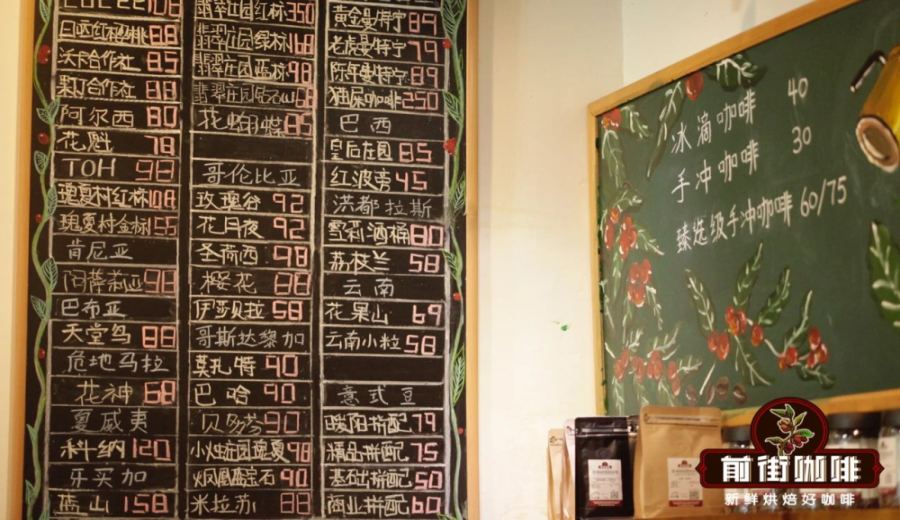
When you walk into a café or specialty coffee bean shop, the dazzling array of coffee menus can be overwhelming. Many customers, faced with a long string of coffee bean names, can’t help but wonder: how are these names actually composed? In truth, each seemingly complex name hides important clues about origin, variety, processing methods, and even brand identity. Understanding these naming rules not only helps you gain deeper insight into coffee but also enables you to make smarter choices when selecting beans.
First, the most common naming method is based on region, origin, or producer. This approach directly reflects the coffee’s source. For example, Yirgacheffe is a renowned Ethiopian coffee-growing region, while commonly seen sub-regions like Guji, Kochere, Biloya, or Wolisho refer to more specific cooperatives or processing stations within that region.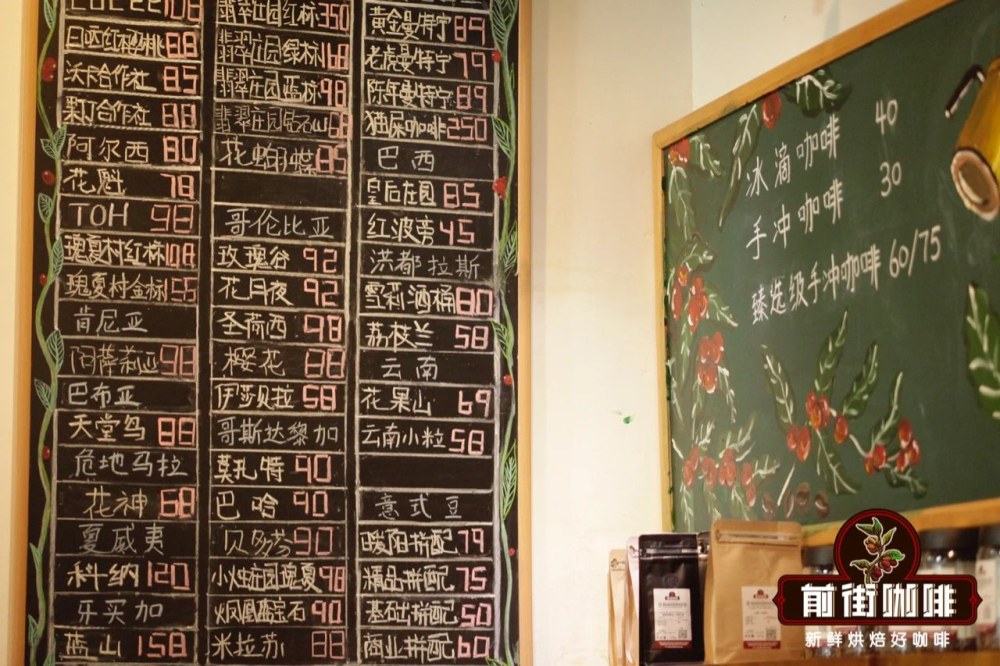 In Central and South America, naming often centers on well-known estates or large regions, such as Huila, Cauca, and Narino in Colombia, or Antigua and Huehuetenango in Guatemala. Even farther afield, places like Jamaica Blue Mountain and Hawaii Kona are representative regional names.
Another common naming approach comes from awards won in green coffee competitions. Prestigious international coffee competitions like TOH (The Cup Tasters Championship), COE (Cup of Excellence), and BOP (Best of Panama) attract attention from industry professionals and coffee enthusiasts alike. Winning beans are often directly named after their competition rank or honor. For instance, the 22nd-place Ethiopian COE 2020 lot that was auctioned, and the highly acclaimed 2017 TOH champion "Huaca," are classic examples of beans named this way.
Many estates also name their products based on their own unique features. For rare varieties or coffees with particularly outstanding flavor profiles, estates typically combine the estate name with the bean variety, such as Geisha, Pink Bourbon, or Pacamara. If a certain processing method yields distinctive flavors, the estate might give it a representative name—like the Musician Series from the Canet Estate, the Rose Valley from the Big Tree Estate, or the Sherry from the Honduras Mocha Estate. Additionally, some estates classify beans according to brand positioning. For example, the Emerald Estate divides its offerings into Emerald Selection (Geisha Red Label), Private Reserve (Geisha Green Label), Geisha 1500 (Geisha Blue Label), Diamond Mountain (premium Catuai), and Pamela (standard Catuai). This classification logic is also seen in famous beans like Panama Geisha Butterflies, Golden Mandheling, and Guatemala Flower Goddess.
The name Mandhelinghas an interesting history. It is neither a region nor a coffee variety, but originates from the name of a local tribe that grows coffee. Originally pronounced something like “Mandening,” it eventually became the familiar “Mandheling” due to transliteration errors. Today, Arabica coffee beans produced on the island of North Sumatra are generally classified as Mandheling coffee.
There are many subtypes under the Mandheling category, with common naming methods including distinctions by origin—such as Lintong Mandheling, Gayo Mandheling, and Tawar Lake Mandheling—or by brand, such as Golden Mandheling and Tiger Mandheling. Among them, Golden Mandheling is a brand trademark of the Pawani company, known for its extremely high bean selection standards—only beans larger than 18 mesh are chosen, and they undergo three rounds of manual sorting and one machine screening. These beans have an extremely low defect rate and large size, making them top-tier among Mandheling coffees. Tiger Mandheling uses beans from the Lake Tawar area of Aceh, featuring unique herbal and medicinal aromas. Only beans larger than 17 mesh and with a defect rate below 4% qualify to be called “Tiger.”
Additionally, there is aged Mandheling, named after its special processing method. This coffee involves placing wet-hulled green beans in a temperature-controlled warehouse for 2 to 3 years of aging. Through prolonged maturation, the pronounced fruit acidity of Mandheling gradually softens into a mellow and smooth profile, while body and complexity significantly increase, resulting in a more captivating flavor layering.
Finally, many coffee bean names end with labels like G1, G2, AA, AB, SHB—these are actually grading standards used by different countries. G1 and G2 are usually based on defect rates, withG1 representing the highest grade, such as the washed Yirgacheffe Guji G1 sold by some vendors. AA and AB are mostly graded by bean size, like the Kenya AA sold by certain shops, denoting high-quality national-grade coffee. As for SHB (Strictly Hard Bean), it is a grading standard commonly used in Central and South American countries, such as the Costa Rica Tarrazu sold by some coffee shops, which belongs to the SHB grade and usually indicates coffee beans grown at high altitudes with hard beans and intense flavors.
The above content is compiled by CoffeeHunters, a coffee news website.


