








Introduction:This article delves into the extraction results of the same espresso blend at different brew ratios (1:1, 1:1.5, 1:2), and analyzes the flavor differences when used in lattes and Americanos. Through practical test data, it helps you understand the optimal extraction ratio for espresso, as well as how to adjust the taste of milk-based coffee and Americano according to personal preference—an essential beginner’s guide that no coffee enthusiast should miss.
Have you ever wondered how using the same coffee beans, the same grind size and dose, but adjusting only the espresso brew ratio, can affect the final flavor of milk coffee and Americano? A coffee team used their own carefully selected Colombia and Brazil blend as the base, keeping the dose fixed at 13 grams, and extracted at three different brew ratios: 1:1, 1:1.5, and 1:2. They analyzed the flavor changes at each ratio across three dimensions: espresso, latte, and Americano.
The experiment used a common 300ml latte cup as the standard vessel, with the grind setting adjusted to 1.9 on the Pegasus 900N machine, and extraction performed with a single spout portafilter. By strictly controlling variables, we were able to clearly observe the subtle differences brought about by changing the brew ratio, helping you find the extraction method that best suits your taste.

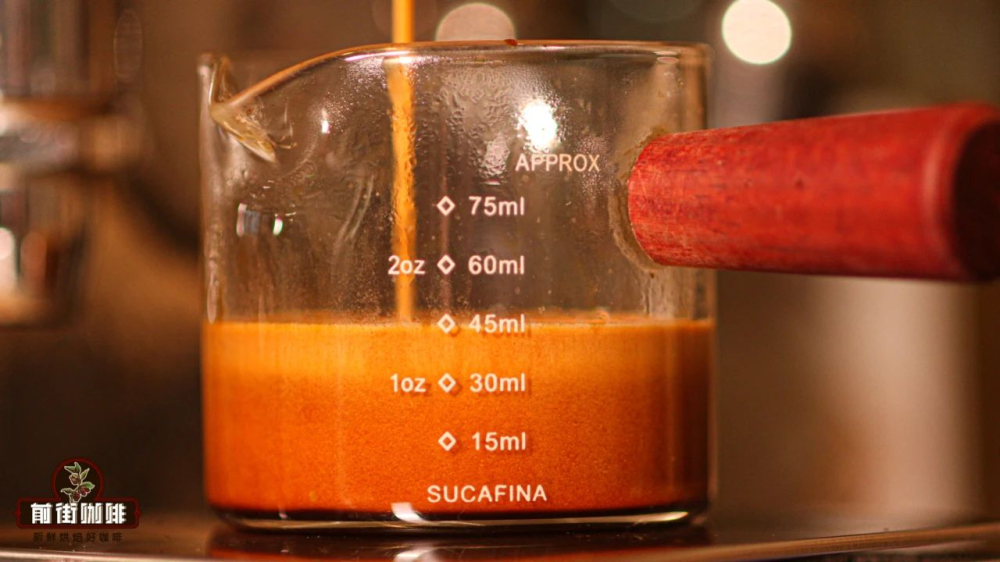
[Brew Ratio 1:1 — 13g coffee grounds yielding 13g coffee liquid, approximately 19 seconds]
The espresso extracted at this ratio has a relatively intense and smooth mouthfeel, with a distinct acidity, accompanied by aromas of cream and nuts. The finish is characterized by a lasting sweetness reminiscent of cane sugar. When this espresso is mixed with milk to make a latte, the overall profile presents a mellow combination of nutty, chocolatey, and creamy notes, complemented by a soft butter cookie flavor, with the natural sweetness of the milk highlighted. If brewed as an Americano, a caramel aroma can be perceived, with a smooth mouthfeel and a hint of tartness from red berries, resulting in an overall very soft expression.

[Brew Ratio 1:1.5 — 13g coffee grounds yielding 20g coffee liquid, approximately 27 seconds]
The espresso at this ratio delivers a noticeable berry-like acidity upon entry, followed by chocolate and hazelnut aromas in the mid-palate, with a clear and lingering aftertaste. When used in a latte, the balance between coffee and milk becomes more even, exuding a caramel aroma along with a rich texture of cream and milk chocolate, while still retaining some nutty notes—ideal for those who enjoy distinct layers yet harmonious flavors. As an Americano, it carries a slight berry acidity, with the finish dominated by a pronounced cane sugar sweetness, showcasing a richly layered flavor profile.
[Brew Ratio 1:2 — 13g coffee grounds yielding 26g coffee liquid, approximately 34 seconds]
When the brew ratio is increased to 1:2, the espresso has a lighter flavor upon entry, but a distinct creamy sweetness and a clear crystal sugar-like brightness can be perceived right away. The aftertaste gradually reveals smoky notes. When this espresso is used in a latte, the overall expression tends to be delicate, with a toffee-like sweetness, and the aftertaste transitions into cinnamon and woody aromas. For the Americano, some woody notes can be detected, with the dominant flavors being cocoa and woodiness, though an obvious sense of over-extraction can be easily noticed.
[Summary and Application Recommendations]
The experimental results show that espressos with lower brew ratios (such as 1:1) exhibit more pronounced acidity, but when mixed with milk, they reveal surprising sweetness, and the resulting Americano also tends to be softer. This is because low-ratio extraction mainly captures the earlier-stage flavor compounds, not only reducing the risk of over-extraction but also enhancing overall sweetness due to the higher proportion of milk. In contrast, espressos with higher brew ratios (such as 1:2) may show obvious sweetness in the initial stage, but can quickly shift towards later-stage compounds like woody and smoky notes. Both lattes and Americanos made from such espressos are prone to over-extraction issues, which can affect the overall balance of flavors.
Overall, a brew ratio of 1:1.5 offers the most balanced performance—whether in terms of the espresso’s own flavor complexity or the milk coffee expression when paired with milk—striking a good balance between sweetness and flavor depth, making it the ideal choice for most users.
[What kind of coffee beans should be used for espresso?]
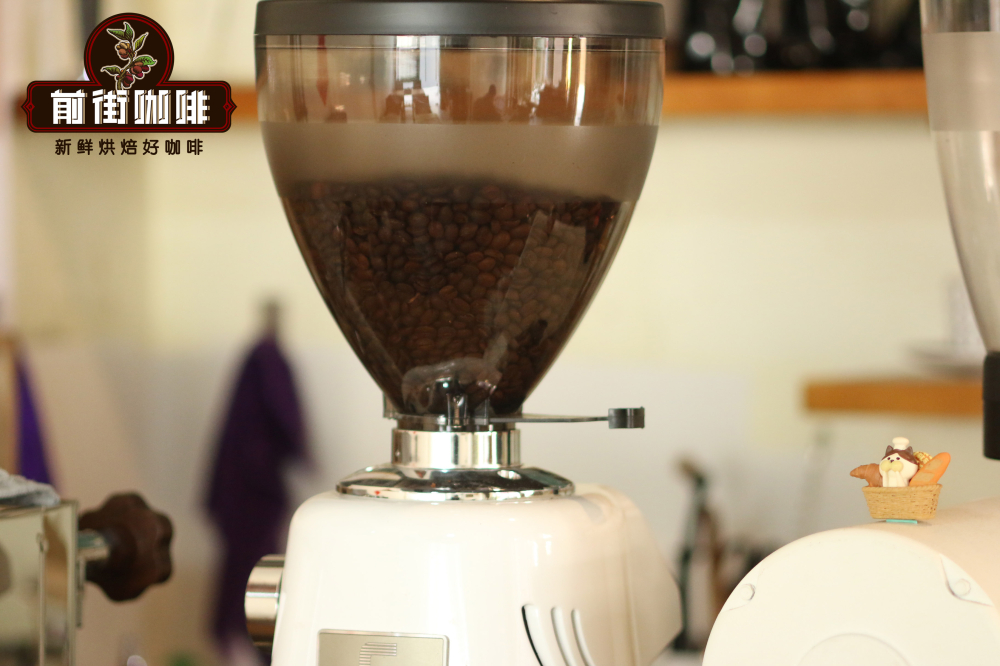
Many beginner coffee enthusiasts often mistakenly assume that pour over single-origin beans can be directly used in espresso machines. However, the high-pressure extraction of espresso machines amplifies both the strengths and weaknesses of the beans, with light-roast single-origin beans particularly prone to producing overly acidic or astringent flavors. Therefore, it is recommended to use blends specifically designed for espresso extraction. By combining beans from different origins and varieties, not only are their strengths and weaknesses complemented, but a more balanced and rich flavor profile can also be achieved.
Common blending strategies include combining beans that are smooth but lack aroma with those that have high aroma but slightly weaker body, thereby enhancing the overall performance. Additionally, some traditional blends also incorporate a small amount of Robusta beans, leveraging their bold crema and full body to strengthen the texture and flavor expression of milk coffee. This blending approach not only elevates the overall quality of the coffee but also helps maintain consistency in flavor across batches—something that is extremely important for both coffee shop operations and home brewing.

The above content is compiled by CoffeeHunters, a coffee news website.


