








Introduction:Yirgacheffe is one of Ethiopia’s most iconic specialty coffee regions, renowned for its distinctive floral aromas and bright acidity. This article will take you deep into the geographical conditions of the region, its three classic processing methods and flavor profiles, as well as how to choose the right Yirgacheffe coffee beans based on brewing methods. Whether you’re a beginner or an advanced coffee enthusiast, you’ll find practical insights here.
Yirgacheffe, a name that sounds poetic, has long been a classic origin in the hearts of specialty coffee lovers. This mountainous area from Ethiopia’s Sidamo region not only sits at a high altitude but also enjoys climate conditions highly suitable for coffee cultivation, resulting in its unique citrus, floral, and tea-like flavor notes—making it a top choice for many pour-over enthusiasts.
Among the many Yirgacheffe coffee beans, three are particularly representative: Washed Yirgacheffe, Natural Red Cherry G1, and Washed Guji Dingding G1. Each of these beans showcases distinct processing characteristics and flavor profiles. Whether you prefer a clean, tea-like taste or rich fruitiness, you’re sure to find a favorite among them.
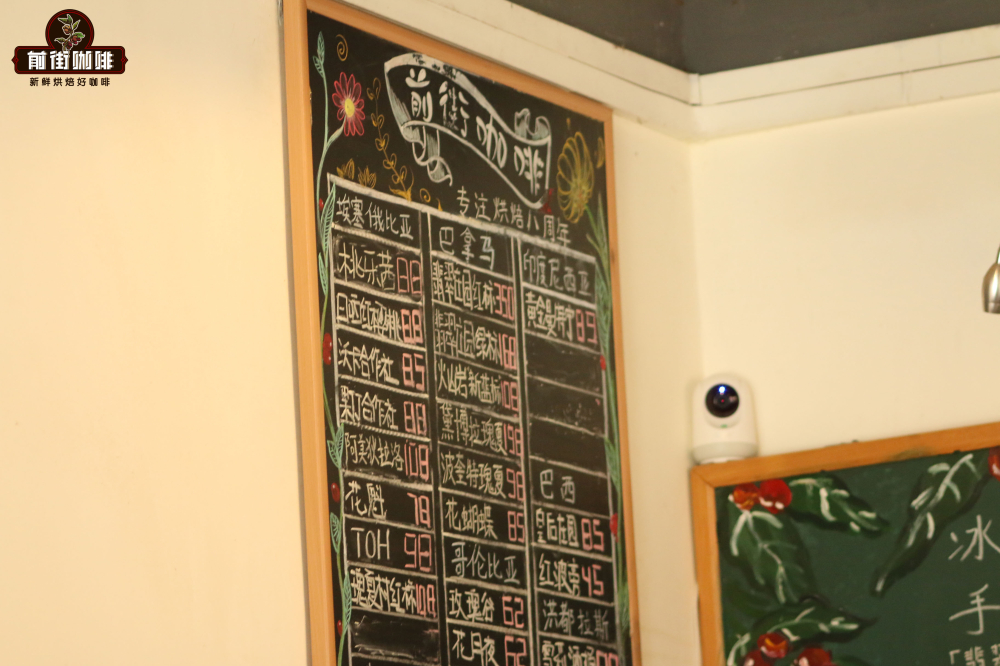
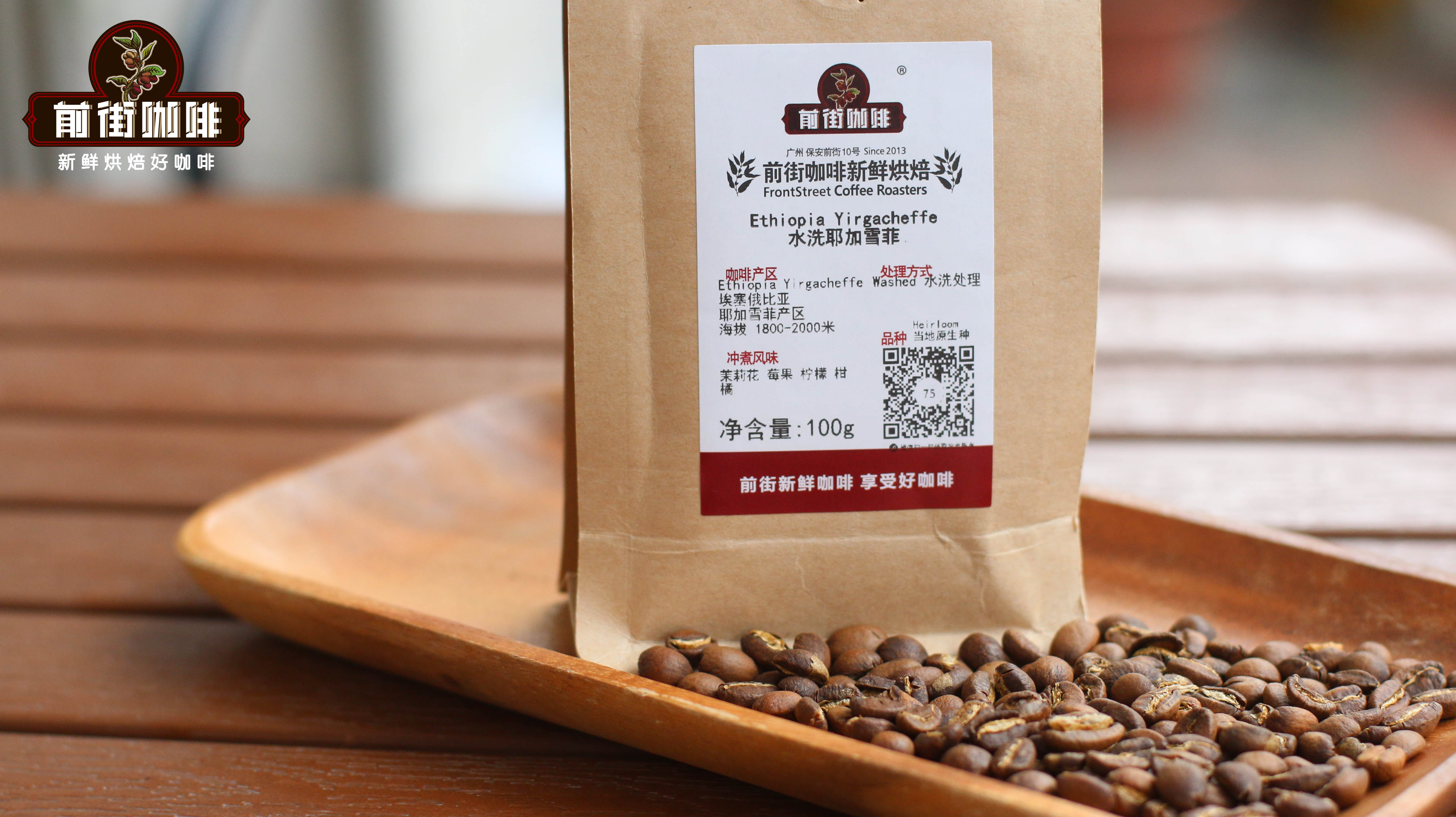
First up is Washed Yirgacheffe, an ideal choice for beginners. It features pronounced white floral notes and citrus tones, accompanied by a berry and tea-like aftertaste. The overall flavor is balanced and layered. Thanks to its soft mouthfeel and bright acidity, it’s highly suitable for pour-over, drip bags, or even cold brew. For those just starting out with specialty coffee, it’s an excellent entry-level bean with great value.
If you want to experience richer fruitiness and fermentation character, then Natural Red Cherry G1 is a great option to try. This bean uses the traditional natural (sun-dried) processing method, where harvested coffee cherries are dried directly in the sun without first removing the pulp. This method is historic and typically requires up to four weeks of drying time. Throughout this process, strict control of temperature and turning frequency is essential to preserve full fruit aroma and avoid defects.
Naturally processed coffee beans often have a richer fruit pulp texture and fuller body. Red Cherry G1 is no exception—its flavor profile includes berries, citrus, flowers, and even hints of apricot along with subtle fermentation notes. The overall expression is vibrant and layered, making it ideal for coffee lovers who enjoy bold flavors.
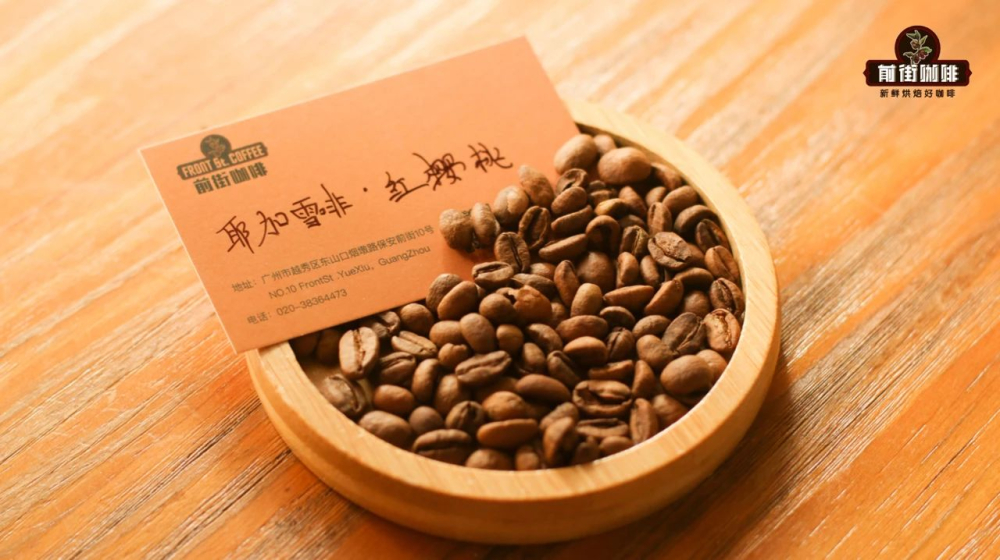
Another noteworthy bean is Washed Guji Dingding G1, which showcases the clarity and aromatic purity characteristic of washed processing. The washed method uses water and fermentation to thoroughly remove the coffee cherry’s skin, pulp, and mucilage, leaving the bean essence purer. The most standout feature of this bean is its floral-tea aroma—like jasmine and green tea—paired with the freshness of yellow lemon and a touch of blueberry acidity. The overall flavor is clean, bright, and leaves a tea-like finish.
The washed processing method requires 1 to 3 weeks of sun drying, during which the coffee bean moisture content must drop from around 50% to 12% to ensure stable quality. Though time-consuming, this method delivers clear and delicate flavor expressions, especially appealing to pour-over enthusiasts seeking floral and fruity notes.
When it comes to the Yirgacheffe region, its geography plays a key role in shaping its flavors. Yirgacheffe is located in the northwest of Ethiopia’s Sidamo region, encompassing the town of Yirgacheffe and surrounding sub-regions such as Wenago, Kochere, and Gelena Abaya. The average altitude here ranges between 1700 and 2100 meters, making it one of the highest-altitude coffee-growing regions in the world. The high elevation slows down the ripening of coffee cherries, helping accumulate more floral, fruity aromas, and bright acidity.
In addition, the region enjoys a mild climate with spring-like weather year-round—summers are not too hot and winters are not too cold. Coupled with frequent morning fog in the mountains, it creates a unique microclimate that further influences the coffee’s flavor expression. These natural conditions together shape the signature citrus, floral, and tea-like qualities of Yirgacheffe coffee, becoming hallmarks of its regional flavor.
In terms of coffee varieties, Yirgacheffe mostly uses what is known as Ethiopian Heirloom. This is due to the long-standing practice of mixed planting and harvesting in the region, making it difficult to clearly distinguish specific varieties. However, in recent years, driven by competitions like the COE (Cup of Excellence), some farms have begun planting specific numbered single varieties, such as 74110 and 74112. These micro-lot beans often have clearer flavor profiles and offer advanced enthusiasts more opportunities for exploration.
In summary, Yirgacheffe is more than just a place name—it’s a symbol of specialty coffee flavor. Whether you choose the fresh, floral-tea notes of washed beans or the bold, fruity aromas of naturally processed ones, you can experience the unique charm of Ethiopian coffee. Understanding these flavor differences and processing backgrounds will help you make more suitable choices when selecting and brewing your coffee.
The above content is compiled by CoffeeHunters, a coffee news website.


