







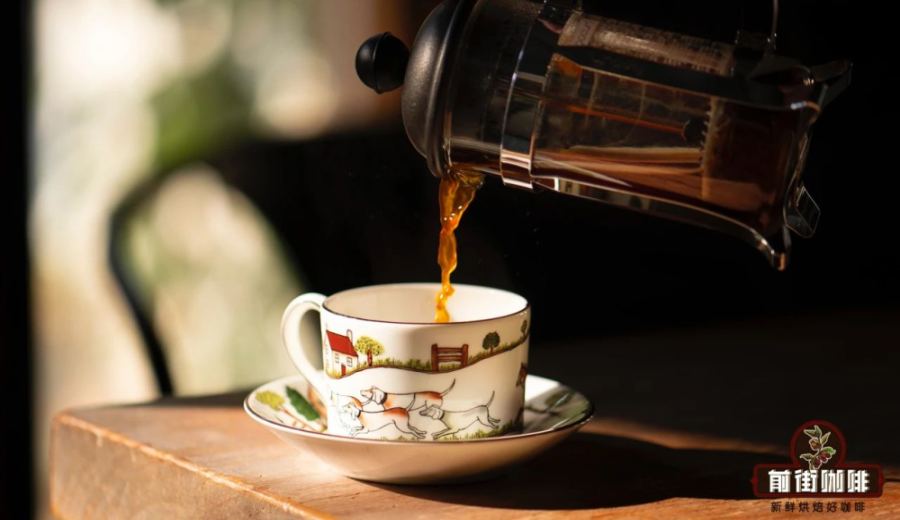
Introduction:The French press is the go-to choice for many coffee beginners stepping into the world of pour over, cherished for its simple operation and rich flavor. This article delves into the extraction principles of the French press, the types of coffee beans it suits, as well as the key operational steps and parameter settings, helping you master the usage tips of this classic brewing device to brew coffee with rich layers and complete flavors.
The French press (French Press), known for its simple operation and ease of use, has become an ideal choice for many first-time pour over coffee enthusiasts. This brewing device originated in mid-19th century France, primarily consisting of a heat-resistant glass carafe and a metal filter plunger. Initially designed for brewing tea, it was later discovered to also be capable of stably extracting richly flavored coffee. Its immersion-style brewing method only requires control over three main factors—grind size, water temperature, and steeping time—resulting in minimal human interference and an ability to fully showcase the unique characteristics of the coffee beans.
How does a French press extract coffee? Mastering the key principles
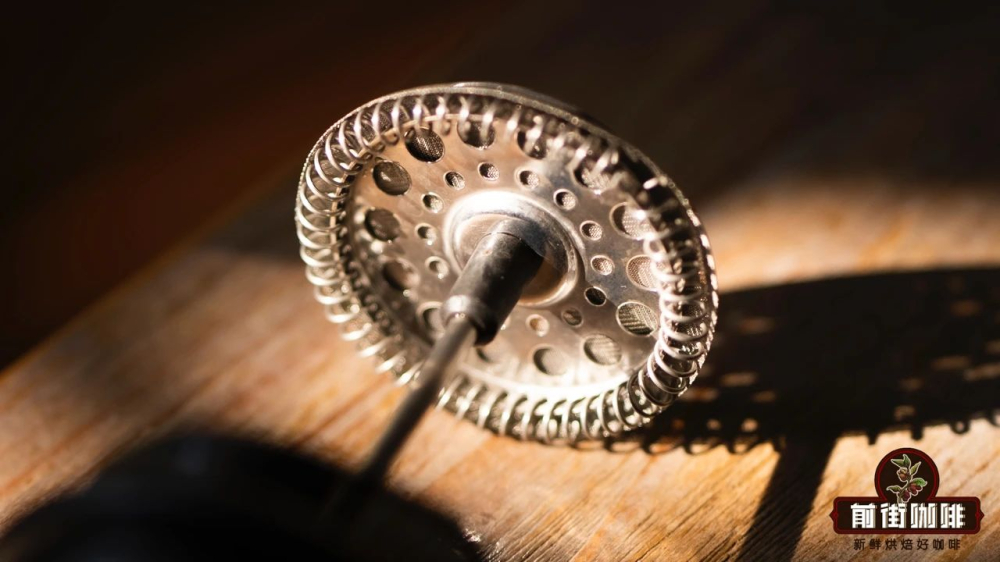
The structure of the French press is relatively simple, mainly using a metal filter and immersion principle to achieve extraction. As early as around 1850, it was created as a tea-brewing device, but users later found that adding coffee grounds could produce a richer taste. As the filter design gradually improved, the French press became one of the practical tools for coffee enthusiasts.
This device works by thoroughly mixing a fixed amount of hot water with coffee grounds and letting it steep for a set period, allowing the soluble flavor compounds in the coffee to gradually release. With a fixed amount of water and coffee grounds,steeping time is the primary variable affecting extraction. Generally speaking, the longer the steeping time, the more compounds are released, and the richer the coffee’s flavor becomes. However, if it exceeds the appropriate range, unwanted off-flavors may also emerge.
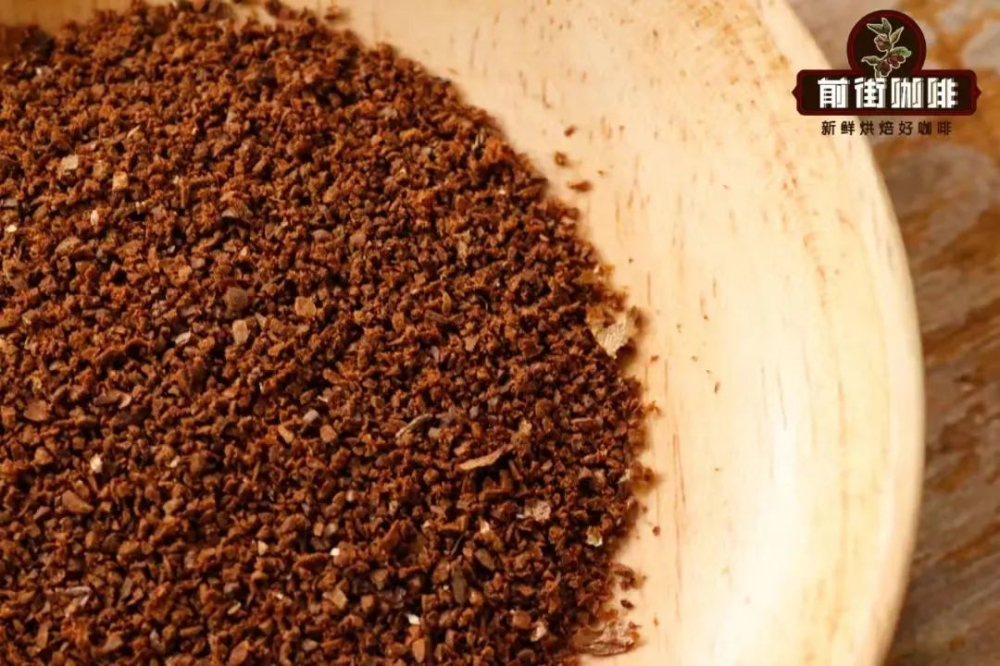
A common question is: “Does steeping for such a long time also release undesirable flavors?” In reality, the recommended steeping time for a French press is about4 minutes, with the water temperature controlled between88°C and 91°C, and usingmedium-coarse grindcoffee grounds. Because the thermal insulation of the glass is limited, the water temperature gradually decreases during the steeping process. Coupled with the slower release rate of medium-coarse coffee grounds, 4 minutes is considered the ideal brewing duration—but it should not exceed 6 minutes to avoid over-extraction. After steeping, it is recommended to gently press the filter and pour the coffee into your cup as soon as possible.
Unique flavor profile of French press coffee
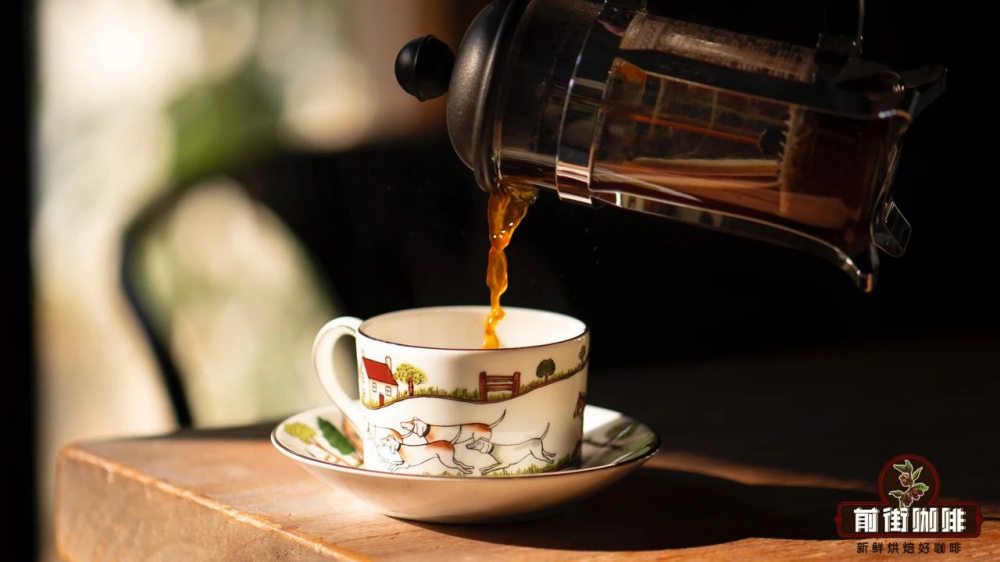
Compared to common drip-style pour over, coffee made with a French press has a thicker and fuller mouthfeel. This is mainly because it uses a metal filter to separate the coffee grounds, and the larger filter holes retain more coffee oils, often leaving a thin layer of glossy oil on the surface, contributing to a richer taste and aroma. In contrast, pour over often uses high-density filter paper, which produces a cleaner flavor but also filters out much of the oil and subtle flavor notes.
Additionally, the immersion extraction logic of the French press is similar to that of professional cupping methods, involving minimal human intervention throughout the process, thereby showcasing the inherent characteristics of the coffee beans more directly. During pour over, pouring technique, flow rate, and filter cup design all significantly influence the final flavor, while the French press only requires managing three elements:grind size, water temperature, and steeping time, greatly lowering the barrier to entry and resulting in a more stable and consistent coffee performance.
Step-by-step guide: How to brew with a French press
The following is the specific brewing process and recommended parameters for using a French press, suitable for beginners or those looking to refine their skills:
Recommended coffee dosage:15 grams
Coffee-to-water ratio:1:15(i.e., 225 milliliters of water)
Grind size:Medium-coarse, approximately 68% passing through a standard #20 sieve
Water temperature:90°C
Steeping time:4 minutes
Step 1: Pour a small amount of hot water into the French press to preheat it, which helps maintain temperature stability during extraction, then discard the water.
Step 2: Add the pre-ground medium-coarse coffee grounds into the press. It is recommended to use coarser grounds to avoid over-extraction.
Step 3: Pour approximately225 milliliters of water at 90°C. It is suggested to pour quickly (within about 3 seconds) to evenly wet the coffee grounds and enhance extraction efficiency.
Step 4: After pouring, gently lift the filter, put the lid on, and let it steep for4 minutes.
Step 5: When the time is up, gently press down the filter. It is advised to stop when the plunger is about one-quarter of the way down to prevent fine grounds from rising and affecting the taste.
Step 6: Finally, pour the coffee into your cup and enjoy. It is recommended to drink it promptly to experience the best flavor.
Actual flavor profile: Featuring Costa Rica Mozart
This demonstration uses the Mozart coffee beans from Costa Rica’s Musician Series, which exhibit distinct dried fruit fermentation notes and white floral aromas. The acidity is bright, with layers reminiscent of berry juice, accompanied by citrus blossom and pineapple-like sweet-tangy nuances. It is highly suitable for experiencing the extraction effects of a French press.
After brewing, the coffee emits a rich raisin fermentation aroma. On the palate, there is a noticeable berry juice sensation paired with citrus blossom notes, along with clear fermentation undertones and a tangy-sweet pineapple-like aftertaste. The overall profile is full-bodied and layered, showcasing the French press’s ability to fully present the original characteristics of the coffee beans.
The above content is compiled by CoffeeHunters, a coffee news website.


