







Introduction:Geisha coffee beans are renowned for their distinctive floral aromas and fruity acidity, but how do the Geishas from Panama’s Hacienda La Esmeralda and Ethiopia’s Gesha Village differ? This article delves into the origins of the varieties in these two major producing regions, their grading standards, processing methods, and cupping profiles. It also provides professional roasting curves and pour over recommendations to help coffee enthusiasts discern flavor differences and find their own unique Geisha experience.
Geisha (Geisha) coffee beans are hailed as the pinnacle of specialty coffee, winning global acclaim for their delicate floral notes and bright acidity. But did you know this globally beloved coffee originally comes from the forests of Ethiopia, Africa? From the pristine jungles of Ethiopia to the high-altitude mountains of Panama, the legendary journey of Geisha is filled with discoveries and the surprises of rebirth.
This article will take you through the journey of Geisha—from its discovery to its global fame—focusing on the grading logic and natural processing characteristics of Panama’s Hacienda La Esmeralda Red Label Geisha, while comparing the flavor profiles of three key varieties from Ethiopia’s Gesha Village: Gori Gesha, Gesha 1931, and Illubabor. This will give you a comprehensive grasp of the essential differences between the Geishas of these two major regions.
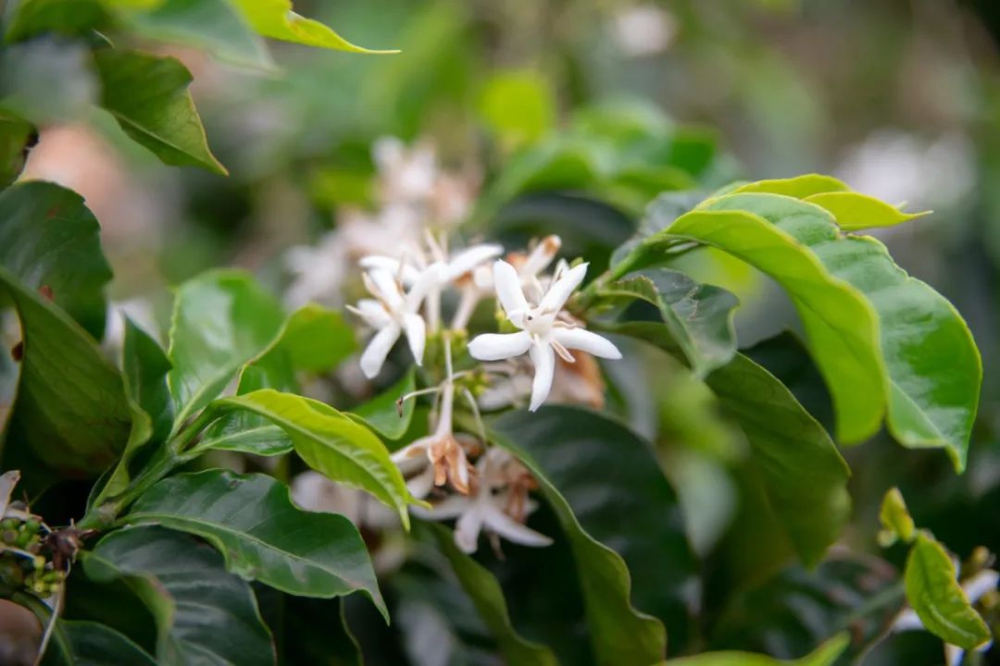
Geisha was first introduced to Panama from Costa Rica by Don Pachi Serracin in 1963, but due to its low yield, it was long used only as a windbreak. It wasn’t until 2004 that Daniel Peterson, the owner of Panama’s Hacienda La Esmeralda, discovered that coffee from Geisha trees planted at high altitudes within the farm emitted a unique citrus and floral aroma. These beans participated in that year’s Panama Cupping Competition and became an instant hit, thus kicking off the Geisha’s global ascent to legendary status.
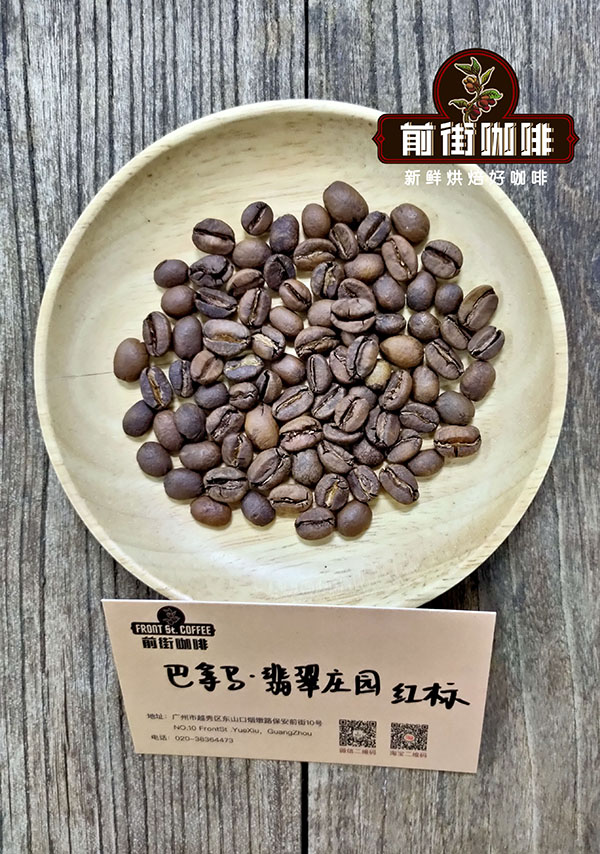
Currently, the farm categorizes its Geisha beans into three grades based on altitude and cupping scores: Red Label (Hacienda Special), Green Label (Private Collection), and Blue Label (Geisha 1500). The Red Label Geisha is sourced from the Jaramillo and Canas Verdes blocks at elevations of 1600 to 1800 meters, often scoring over 90 points in cuppings, and primarily uses both natural and washed processing methods. The Red Label Geisha procured by this supplier comes from the Mensañe block at 1700–1900 meters altitude, processed using the natural method. When brewed, it exhibits rose floral notes, citrus tones, along with layered fruit aromas such as rice, berries, apricots, and honey. The taste is rich and layered.
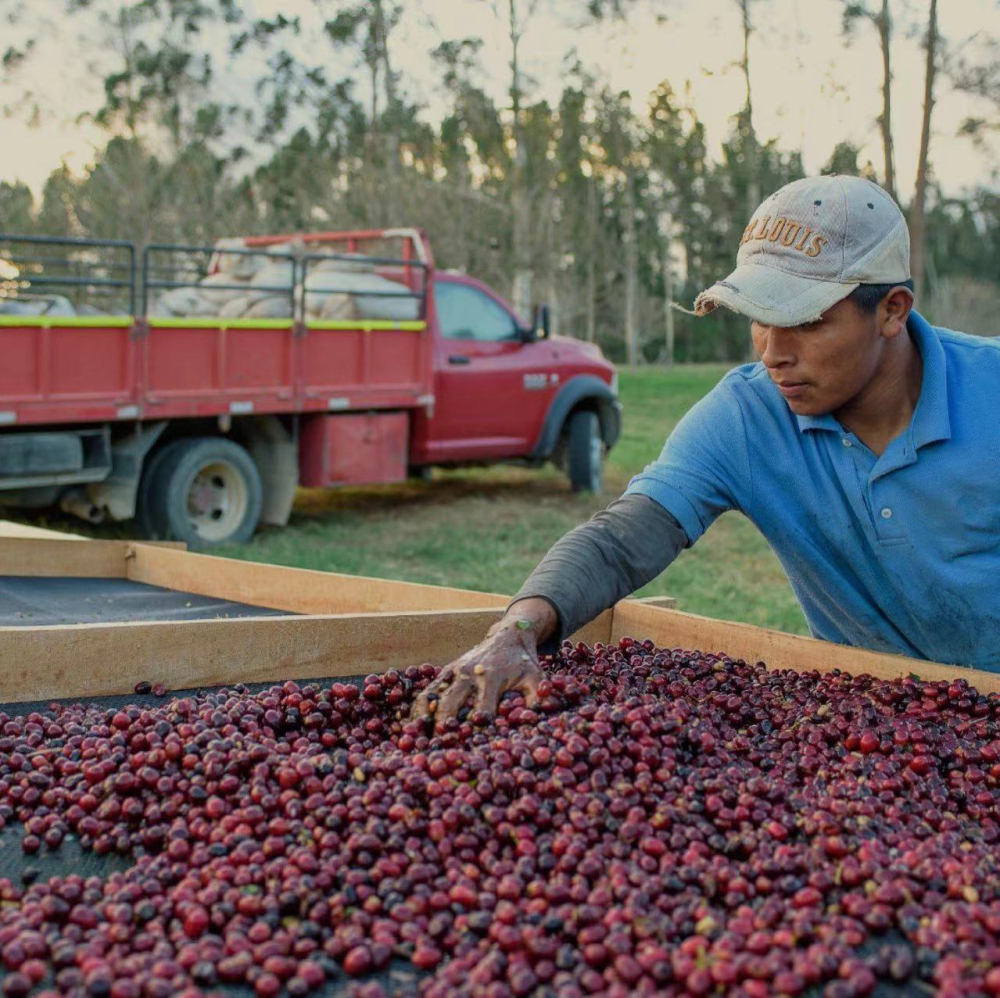
The natural processing method at Hacienda La Esmeralda pays close attention to detail: harvested coffee cherries are first evenly spread out on concrete patios in the courtyard and sun-dried for 3 to 5 days (about 8 hours per day) depending on weather conditions, then transferred to a Guardiola dryer for 72 hours of rotary drying to ensure stable moisture content. Finally, they undergo a 30 to 45-day “resting period” (reposo) to allow the flavors to further develop. This processing method imparts intense tropical fruit and honey-like aromas to the Geisha, with a prominent sweetness.
Turning to Ethiopia, the birthplace of Geisha. In 2009, documentary director Adam Overton and photographer Rachel Samuel rediscovered wild Geisha trees in the Gori Gesha forest in the Bench Maji region, leading to the establishment of Gesha Village Coffee Estate. This estate adopts a boutique coffee farm management model similar to those in Panama, with full traceability for each batch of coffee and a strict grading system that includes auction-grade, Gold Label, Red Label, Green Label, and Chaka lots.
Gesha Village currently focuses on cultivating three main varieties: Gori Gesha (GG), Gesha 1931 (G31), and Illubabor Forest 1974 (IF). Among them, Gori Gesha best represents the original Geisha genetics, G31 has garnered widespread attention due to its plant morphology and cupping profile being similar to Panama’s Geisha, and IF is a disease-resistant variety discovered in the Illubabor forest in 1974. The commonly available Red Label lots from Gesha Village from this supplier are of the Gori Gesha variety, processed naturally, grown at altitudes of 1909–2069 meters, with clear traceability. While not as complex as the Gold Label, it still offers high value for money.
The natural processing method at Gesha Village is equally meticulous: coffee cherries are first cleaned of impurities, then spread in thin layers on elevated raised beds covered with plastic sheeting to prevent contamination. During the drying process, defective beans are repeatedly sorted, and the total drying time lasts 18 to 30 days. This method imparts a rich sweetness and soft acidity to the coffee, with a flavor profile centered around stone fruits, showcasing a personality distinctly different from Panama’s Geisha.
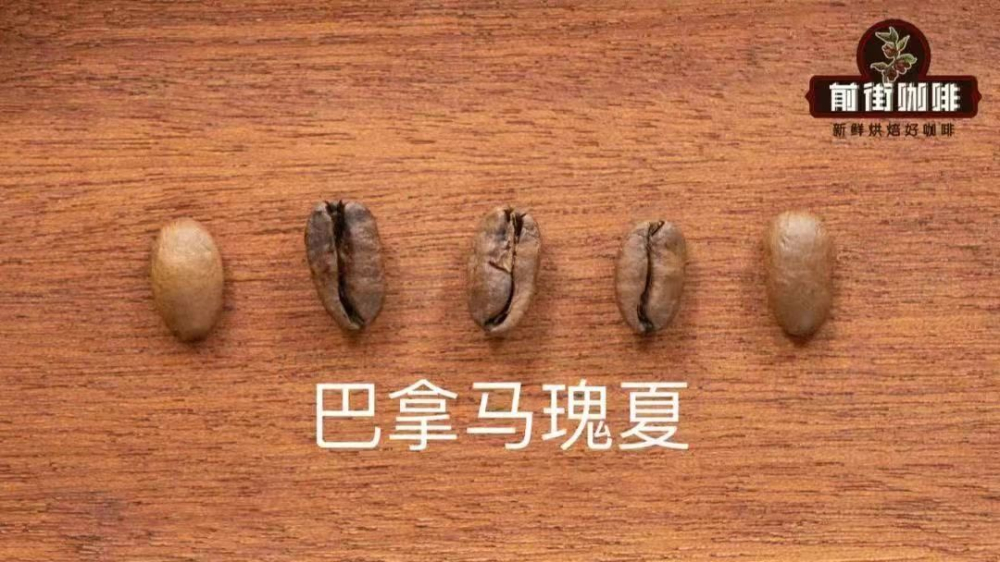
In terms of roasting recommendations, Panama’s Red Label Geisha is suited to medium-high roast levels to highlight its floral and fruity characteristics. For example, using a YANG-800N roaster with an inlet temperature of 150°C, a development time of about 1 minute and 28 seconds after the first crack, and an outlet temperature of 189.5°C can fully release its layers of citrus, honey, and berry notes. Meanwhile, Gesha Village’s Red Label, with its more subdued flavors, is recommended to be roasted at a slightly higher temperature (inlet at 160°C), with the first crack development time extended to 1 minute and 45 seconds, and an outlet temperature of 197.5°C, which helps enhance the expression of its stone fruit and creamy aroma.
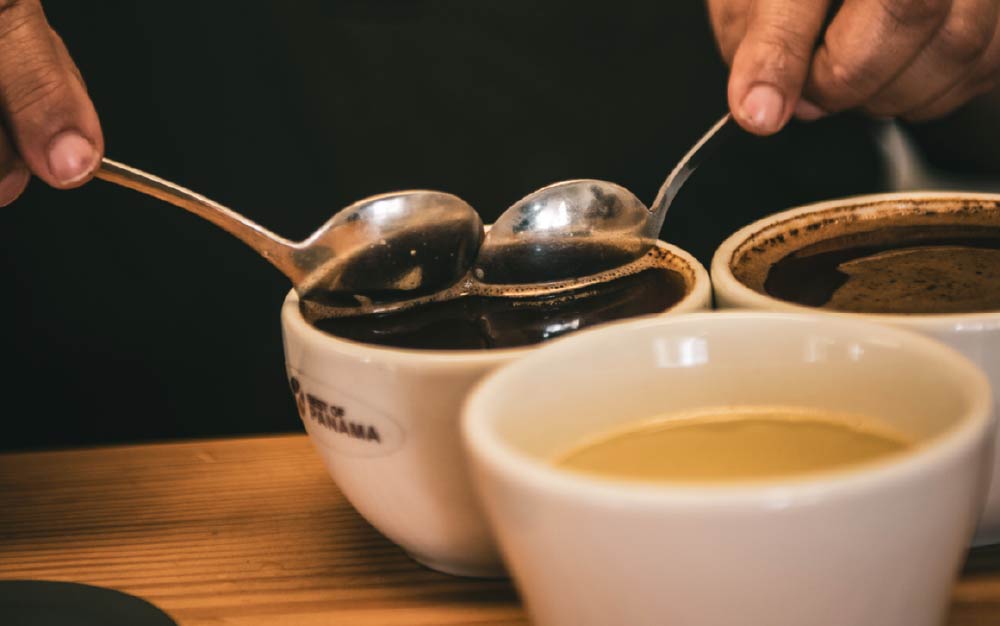
Cupping results show that the dry aroma of Panama’s Red Label Geisha is dominated by jasmine and citrus, while the wet aroma features citrus, lemon, and honey. Upon tasting, citrus, berries, mango, and tea-like notes intermingle, offering a richly layered and distinctly sweet profile. In contrast, the dry aroma of Gesha Village’s Red Label leans more toward a fermented character, the wet aroma is dominated by stone fruits, and the cup reveals floral notes, tea-like qualities, and a gentle creamy sweetness, with stone fruit aromas being more prominent. The overall flavor direction is gentler and more restrained.
For brewing, it is recommended to use a V60 filter cone, with a coffee dose of 15 grams, a coffee-to-water ratio of 1:16, water temperature at 91°C, and a grind size of approximately 78% passing through a #20 sieve. The pour over process is suggested as follows: begin with a 30-second bloom using 30 grams of water, then pour in small streams to reach 125 grams in the first pour, and continue pouring up to 240 grams. The total extraction time should be controlled between 1 minute 55 seconds and 2 minutes 5 seconds. These parameters are suitable for both types of Geisha and can balance the expression of acidity, sweetness, and aroma.
In summary, Panama’s Hacienda La Esmeralda Red Label Geisha excels with intense floral notes, fruity acidity, and juicy body, making it ideal for those who prefer brighter flavors. On the other hand, Ethiopia’s Gesha Village Red Label showcases a softer stone fruit tone and creamy sweetness, with a more restrained and balanced flavor profile. No matter which one you choose, you’ll gain a deep appreciation for the unique charm of Geisha as a top-tier variety in specialty coffee.
The above content is compiled by CoffeeHunters, a coffee news website.


