







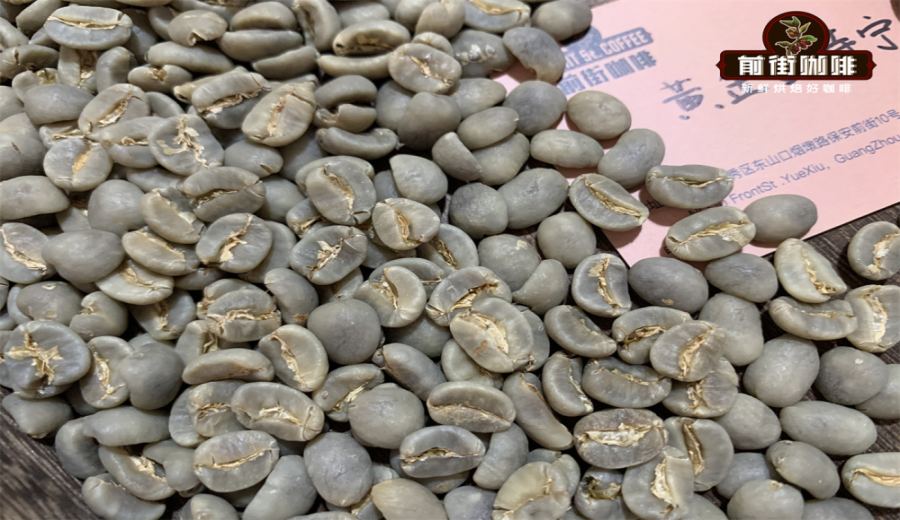
Introduction:Delve into the regional distribution, variety origins, and unique processing methods of Sumatra Mandheling coffee, analyzing the flavor differences between the Lintong and Lake Tawar regions. Also, explore the selection criteria and quality characteristics of the classic Golden Mandheling. From flavor profile to processing craftsmanship, gain a comprehensive understanding of this iconic Indonesian specialty coffee.
Mandheling coffee is a renowned Arabica variety from Indonesia’s Sumatra Island, primarily grown at elevations of 750 to 1,500 meters in highland areas, with those from Lake Toba and the Lintong mountains being particularly esteemed. This coffee is not named after its growing region but originates from a misidentification during World War II of the local Mandailing ethnic group by Japanese soldiers, later becoming a classic through word of mouth. It is known for its bold, full-bodied flavor, low acidity, and herbal and spicy notes, typically processed using Sumatra’s unique wet-hulling method, which gives it distinctive texture and aroma.
In Sumatra, the most representative producing regions include the Lintong area around Lake Toba and the more northern Lake Tawar region. The former produces Lintong Mandheling, often considered an ideal choice for beginners, with straightforward flavors and strong herbal and earthy notes; the latter is mostly cultivated by the Gayo people using shaded farming methods, paired with washed or semi-washed processing, showcasing brighter acidity and fruity notes, and is generally not classified as traditional Mandheling. Understanding these details helps select Sumatran coffee that better matches your taste preferences.
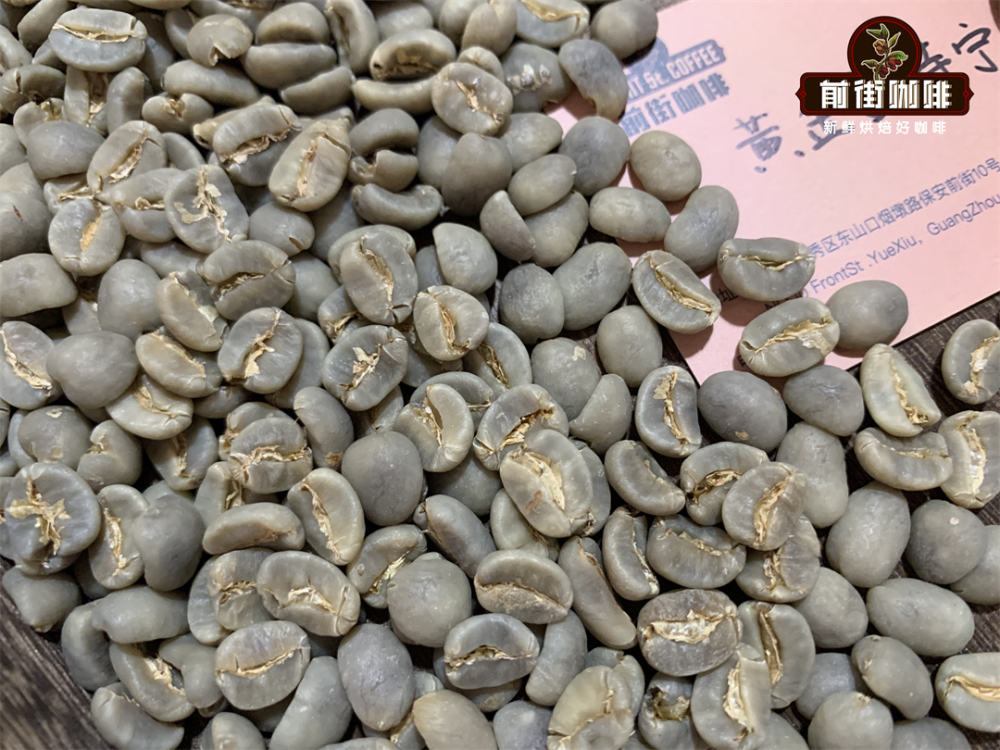
The flavor profile of Mandheling is often described as bold, low in acidity, with distinct herbal, spicy, and earthy tones, along with a soft sweetness and long finish. Many coffee enthusiasts enjoy it as a single origin to experience its rich layers; it also serves as an important base for many blends, enhancing overall flavor depth and complexity. Due to the wet-hulling process, Mandheling often has a unique boldness and deep tone, securing its irreplaceable status among coffee lovers.
The name “Mandheling” has an interesting backstory. During World War II, a Japanese soldier tasted a rich coffee in a Sumatran café and curiously asked its name, but the shop owner misunderstood the question as about his origin and replied “Mandailing.” After the war, the soldier revisited the flavor and imported 15 tons of coffee to Japan through trade, where it became hugely popular—the name “Mandheling” thus spread. Interestingly, the supplier was the now-renowned PWN coffee company; a linguistic mix-up inadvertently created a legendary classic in the coffee world.
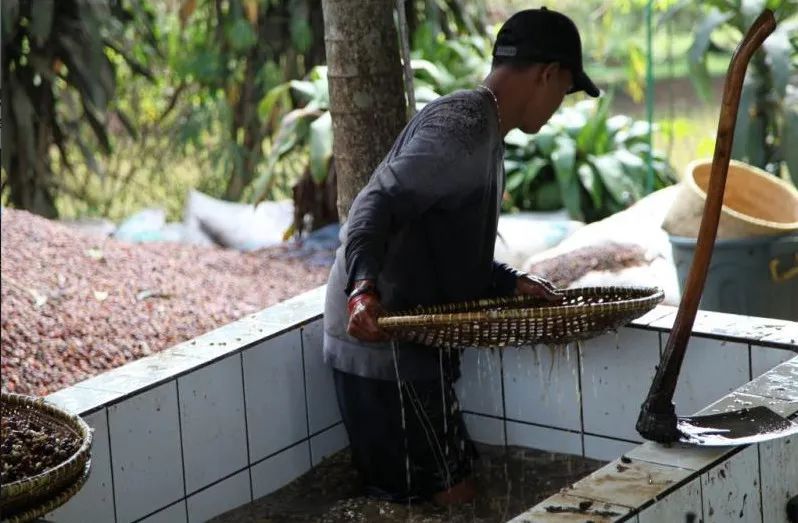
In terms of processing, Mandheling mainly uses Sumatra’s unique wet-hulling method. Due to the region’s humid and rainy climate, traditional sun drying is unstable, and early attempts at semi-sun drying still couldn’t overcome environmental limitations. Wet-hulling involves removing part of the outer pulp and parchment while the beans still retain some moisture, accelerating the drying process. Though it may increase defect risks, it also shapes Mandheling’s unique deep aroma and bold texture. This technique demands high skill and is one of the key factors distinguishing Sumatran coffee from other regions.
When it comes to the top-tier representative of Mandheling, Golden Mandheling is undoubtedly the most notable choice. Over a decade ago, Japanese buyers introduced stricter selection standards, requiring green beans to be 18 mesh or larger, with no more than three defects per 300g sample, and only using Grade G1 beans of the highest quality. After four rounds of manual sorting to eliminate all off-color and defective beans, the result is a specialty coffee with uniform bean appearance and deep green color. This rigorous quality control process gives Golden Mandheling a cleaner, brighter taste, almost devoid of the earthy or miscellaneous notes common in traditional Mandheling, with a more distinct and focused flavor.
Golden Mandheling is mainly produced in the Lake Tawar region of the Gayo Mountains in northwestern Sumatra, with the variety mostly being Ateng, a natural hybrid of Arabica and Robusta widely planted in Indonesia. Although the name still includes “Mandheling,” markets such as the U.S. specialty coffee scene tend to categorize Lake Tawar-area coffees as “Aceh coffee” or “Gayo coffee” to more accurately reflect their regional characteristics and flavor profiles. For consumers seeking high-quality Sumatran coffee, understanding these subtle distinctions can help make more precise choices.
In summary, the charm of Mandheling coffee lies not only in its history and cultural background but also in its diverse flavor expressions and unique processing techniques. From the low-acid boldness of the Lintong region to the bright fruitiness of the Lake Tawar area, and the refined cleanliness of Golden Mandheling, each offers a multifaceted representation of Sumatran coffee. Whether you’re a beginner coffee enthusiast or an extraction aficionado seeking unique flavors, gaining a deeper understanding of Mandheling’s regions, varieties, and processing methods can bring a new dimension to your coffee experience.
The above content is compiled by CoffeeHunters, a coffee news website.


