







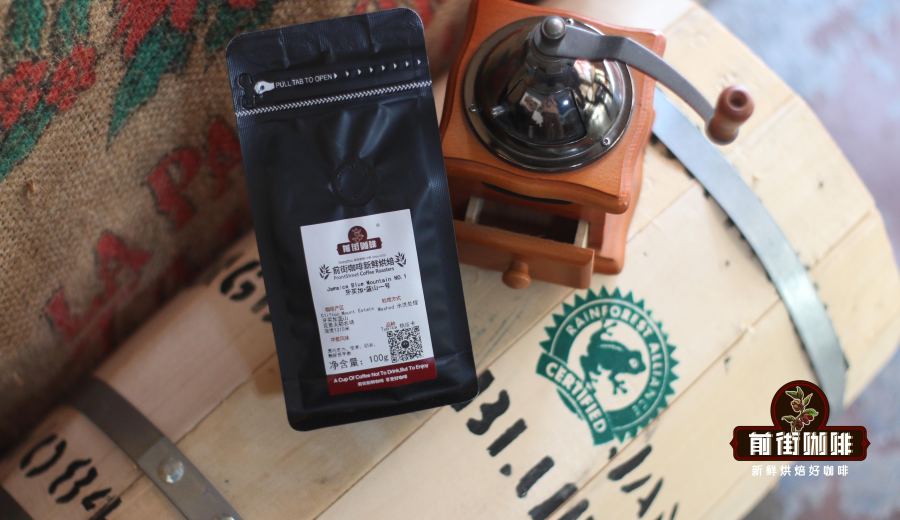
Introduction:Jamaican Blue Mountain coffee is renowned worldwide for its exceptional balance and rarity, yet the market is flooded with products that fail to live up to the name. This article will delve into the growing environment, variety characteristics, legal grading standards, and washed processing methods of Blue Mountain coffee, and provide pour over brewing recommendations and flavor profiles for Blue Mountain No. 1 to help you fully grasp the essence of this top-tier coffee.
With its unique balance of acidity, sweetness, and bitterness, along with elegant aromas, Blue Mountain coffee has long held a prestigious position in the international coffee market. However, genuine Blue Mountain coffee that meets Jamaica’s official standards is extremely rare—many products marketed as “Blue Mountain” are actually blends or flavored coffees, far from the real thing. This article will comprehensively break down all aspects of Blue Mountain coffee, from origin and variety to grading system, washed processing, and pour over tips.
The fame of Blue Mountain coffee stems not only from its outstanding flavor but also from its limited production and strict quality control. Authentic Blue Mountain coffee is grown only in specific high-altitude regions of Jamaica, making it highly recognizable and collectible. Understanding these key factors can help consumers distinguish genuine products and select truly premium Blue Mountain offerings.
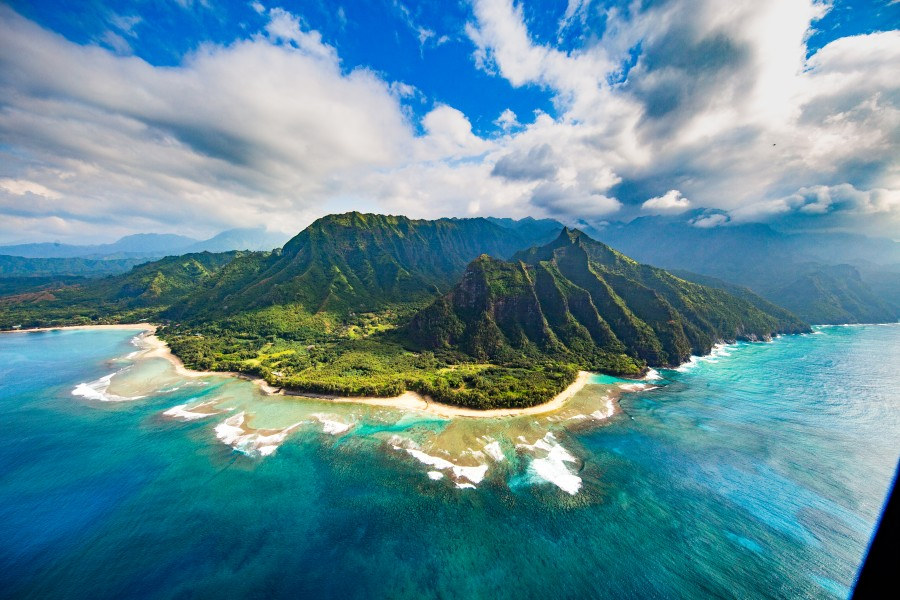
The Blue Mountains are located in the Caribbean region and feature a tropical rainforest climate, with abundant annual rainfall of approximately 1800 to 2000 millimeters. The steep mountain slopes offer excellent drainage, and the mineral-rich volcanic soil provides ideal growing conditions for coffee trees. The area enjoys fresh air and is often shrouded in mist, which helps reduce direct sunlight and offers natural shade for the coffee trees, promoting slower fruit ripening and the accumulation of richer flavor compounds.
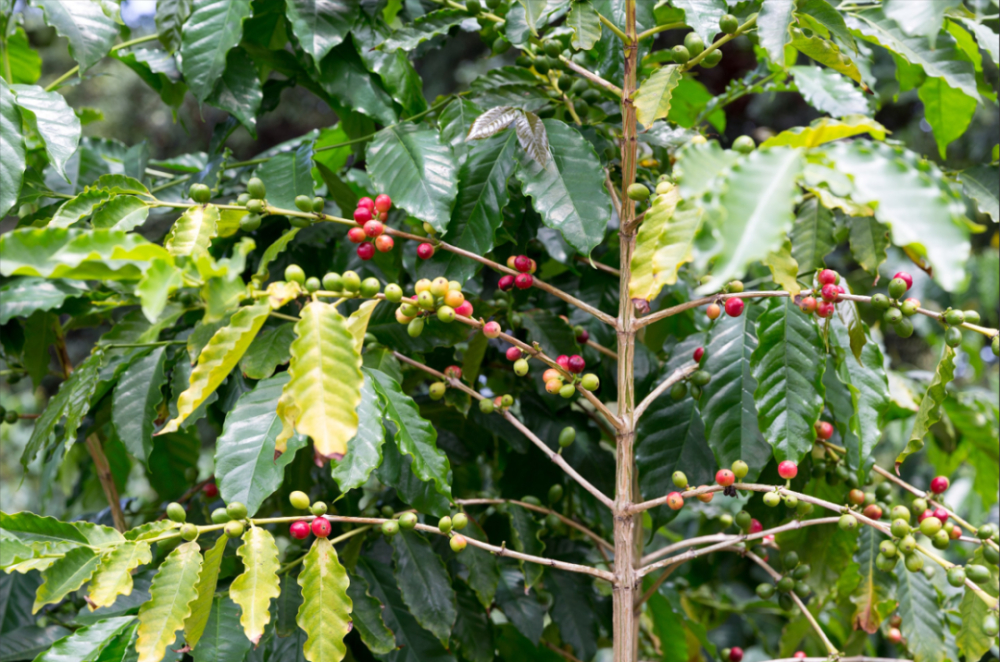
Jamaica’s coffee cultivation history dates back to 1728, when Sir Nicholas Lawes first introduced coffee seeds to the island. The earliest variety planted in the Blue Mountains was Typica, which remains the primary variety grown there today. Although Typica has low yields and is susceptible to diseases, under the unique microclimate and soil conditions of the Blue Mountains, it gradually developed stronger resistance to diseases, particularly coffee berry disease. This adaptive evolution is also one of the keys to Blue Mountain coffee maintaining its distinctive flavor.
According to Jamaica’s Coffee Industry Regulation Act, only Typica coffee grown at elevations between 910 and 1700 meters within the four administrative regions of Saint Andrew, Saint Thomas, Portland, and Saint Mary qualifies as “Jamaica Blue Mountain coffee.” These four regions account for only about one-third of the total Blue Mountain growing area, with the rest primarily used for producing Jamaica High Mountain and Jamaica Prime coffee. In fact, less than 15% of the country’s total coffee production is graded as Blue Mountain each year, making it extremely rare.
To ensure the quality of Blue Mountain coffee, Jamaica employs a rigorous washed processing procedure. After harvesting, the coffee cherries are manually sorted to remove floaters, then the pulp is removed using a depulper. The beans are then left to ferment in tanks for 12 to 18 hours. After fermentation, the beans are washed and rubbed to remove the mucilage, followed by thorough rinsing until the surface is smooth. Finally, the beans are evenly spread out in the sun to dry until their moisture content reaches the ideal range of 12% to 14%, after which they are packaged for export and undergo a final quality inspection.
The Jamaica Coffee Industry Board (JCIB) has established a detailed grading system, with evaluation criteria including bean size, appearance color, moisture content, and cupping flavor performance. Blue Mountain coffee is divided into four grades: NO.1, NO.2, NO.3, and Peaberry. Among them, NO.1 is the highest grade, requiring bean size between 17 and 18 mesh, a defect rate below 3%, and uniformly plump and well-formed beans. A certain well-known brand’s Blue Mountain No. 1 selection falls into this grade, offering a rich and layered flavor profile with a balanced combination of aroma, sweetness, and gentle acidity.
In terms of roasting, the Jamaican authorities recommend a medium-dark roast to fully showcase the traditional flavor profile of Blue Mountain coffee. A well-known roasting brand’s master roaster opted for a medium-to-dark roast in practice, preserving the coffee’s rich base while bringing out delicate fruity acidity. Due to the density and structural characteristics of Blue Mountain coffee, special attention should be paid to controlling grind size and extraction parameters to avoid over-extraction, which can lead to flavor imbalance.
A well-known roasting brand suggests using a medium grind size (approximately 75% passing through a 20-mesh sieve), with water temperature controlled between 87 and 88°C. To highlight the richness and rounded mouthfeel of Blue Mountain No. 1, the KONO filter cone is recommended for pour over. This filter cone features shorter ribs, allowing the filter paper to adhere more closely to the cup wall, reducing air circulation and extending the blooming and extraction time of the coffee grounds, resulting in a more concentrated and smooth flavor.
Suggested pour over parameters are as follows: use 15 grams of coffee grounds, a 1:15 coffee-to-water ratio, and a grind setting of 10.5 on the EK43s (approximately equivalent to 75% passing through a 20-mesh sieve), with water temperature maintained at 87 to 88°C. The specific steps are: wet and attach the filter paper to the cone, pour in the coffee grounds and gently tap to level. The first pour is 30 grams of water for a 30-second bloom; the second pour continues to 125 grams with steady water flow; when the liquid level drops halfway, the final pour brings the total to 225 grams, with the entire extraction process taking about 2 minutes.
The flavor performance of Blue Mountain No. 1 after pour over is outstanding: at higher temperatures, a rich dark chocolate aroma can be perceived, with a full-bodied mouthfeel and a distinct almond aftertaste; as the temperature cools, roasted hazelnut and creamy sweetness gradually emerge, accompanied by gentle acidity and caramel sweetness. The overall flavor profile is richly layered and lingers in the mouth for several minutes.
The above content is compiled by CoffeeHunters, a coffee news website.


