







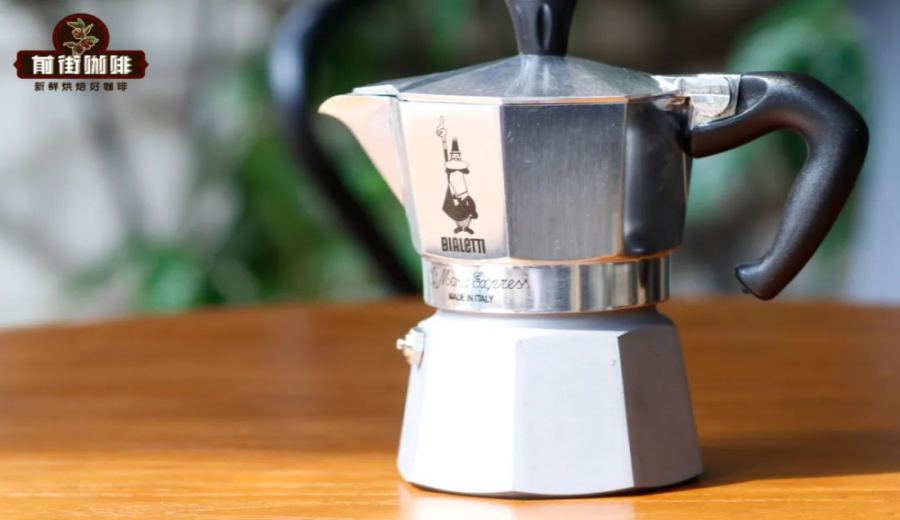
Introduction:The moka pot is a popular choice for many households seeking a strong cup of coffee. By using simple pressurized brewing, it delivers a flavor profile similar to that of espresso. This article delves into the structure and principles of the moka pot, teaches you how to precisely control grind size, water volume, and heating techniques, and recommends three practical coffee beans tailored to different taste preferences—perfect for both beginners and advanced users alike.
Thanks to its ease of use and rich extraction performance, the moka pot has become a staple in many coffee lovers’ homes. Though it’s not a professional-grade espresso machine, its pressurized brewing method still produces concentrated coffee flavors, especially appealing to those who enjoy bold and full-bodied tastes. This article will guide you through the basic structure and operation of the moka pot, along with practical parameter suggestions and bean recommendations.
Structure and Working Principle of the Moka Pot
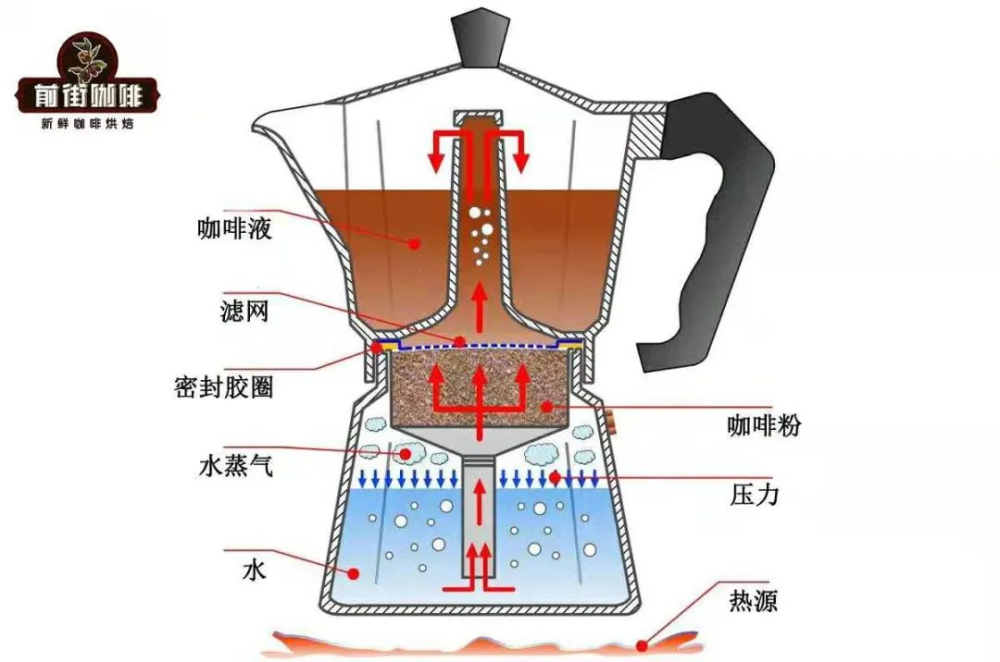
As early as 1933, Bialetti introduced the world’s first moka pot. This classic device works by heating water in the lower chamber, using the resulting steam pressure to push the water through a bed of coffee grounds, ultimately collecting a rich coffee brew in the upper chamber. Moka pots on the market are mainly divided into single-valve and double-valve designs, with pressure typically ranging between 1 to 2 bar—though not as high as the 9 bar found in commercial espresso machines, it’s sufficient to extract a wealth of coffee compounds.
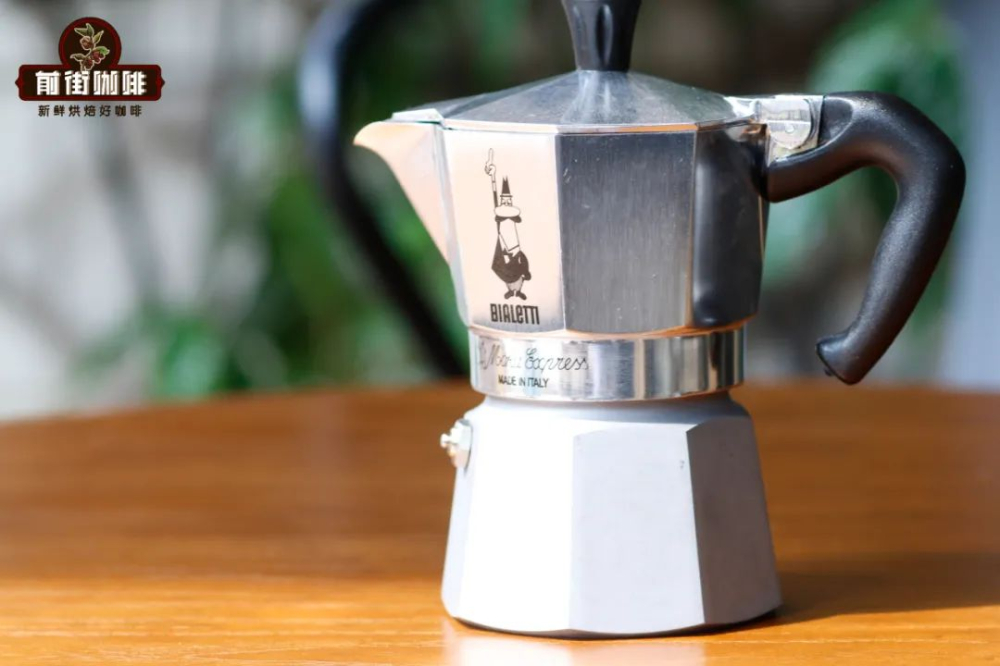
The moka pot consists of three main parts: the lower chamber holds the water, the middle funnel holds the coffee grounds, and the upper chamber collects the brewed coffee. When the water in the lower chamber is heated, steam pressure forces the water upward through the coffee grounds. Since the coffee bed creates some resistance, the resulting brew is more concentrated and layered.
How Is the Moka Pot Different from Espresso?
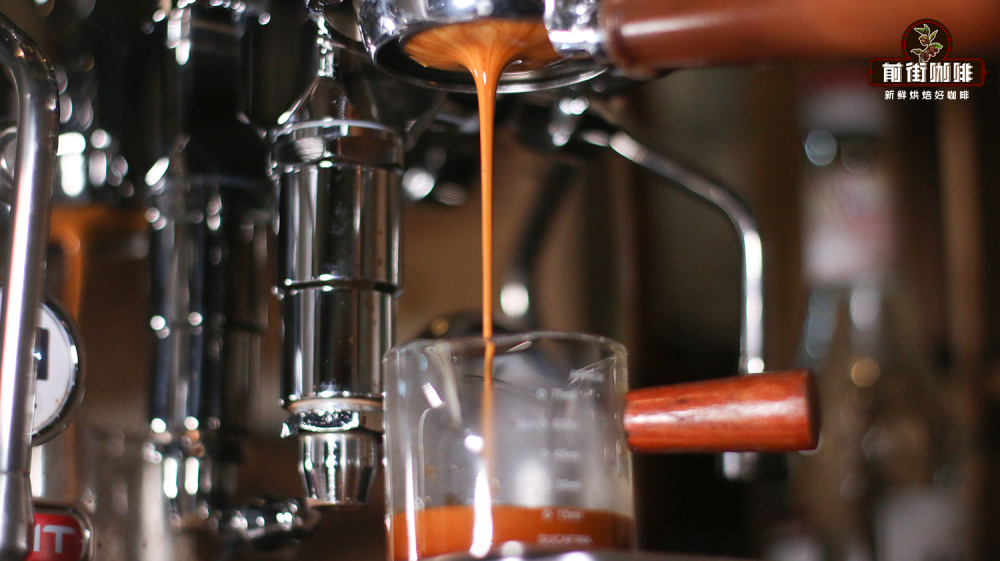
Although both the moka pot and espresso machines use pressurized brewing, there are significant differences in pressure and extraction outcomes. Espresso typically requires 9 bar or more to extract fine crema and a rich flavor, whereas the moka pot operates at around 2 bar, resulting in a relatively lighter brew with less crema—and thus it can’t strictly be called espresso. However, for home users, the moka pot remains an excellent option for quickly achieving a strong and flavorful cup.
Moka Pot Usage Steps and Parameter Recommendations
When using a moka pot, it’s recommended to start by filling the lower chamber with hot water. This reduces heating time and prevents the coffee grounds from being scorched by sudden high temperatures, which can lead to bitter flavors. The water level should be kept below the safety valve to avoid any risks. Next, add the coffee grounds to the funnel—use a grind size slightly finer than pour over but slightly coarser than espresso, roughly around setting 3 on most grinders. Grinding too fine may cause over-extraction and splattering, while grinding too coarse might result in under-extraction.
Simply spread the coffee grounds evenly in the funnel and gently level them—there’s no need to tamp hard, as this could impede water flow. After screwing the upper and lower chambers together tightly, place the moka pot on the stove to heat. If using an open flame, ensure the flame doesn’t extend beyond the base of the pot to avoid localized overheating. Once you hear a hissing sound from inside the pot, reduce the heat. When the coffee starts to flow and the upper chamber is about half full, turn off the heat and let the remaining heat finish the extraction.
If you notice a whistling sound but no liquid is coming out, the spout may be clogged. Turn off the heat immediately to check and prevent dangerous pressure buildup.
Daily Maintenance of the Moka Pot
To ensure stable and flavorful extractions every time, clean the moka pot promptly after use to prevent coffee residue from causing odors or blockages. Pay special attention to the filter plate, gaskets, and channels—accumulated old coffee stains can affect future brews.
Recommended Coffee Beans for the Moka Pot
Since the moka pot uses pressurized brewing, medium to dark roasted beans are recommended for better flavor balance and body. Light roasts may release excessive acidic or sharp notes under pressure, which can negatively impact the overall taste.
For those who enjoy rich crema and a full body, classic blends combining Indonesian Mandheling and Brazilian beans—with a touch of Robusta—can deliver a bold and lingering crema sensation, ideal for milk coffee lovers. If you prefer a balanced profile with noticeable sweetness, medium-dark roasted Brazilian Queen Estate Yellow Bourbon is a great choice, with natural sun-dried sweetness and fruity notes complemented by nutty and chocolatey aromas after roasting. For those seeking intense black cocoa and deep richness, Colombian Huila-grown Caturra beans processed via washed method offer a balanced profile of caramel and fruity acidity—perfect for drinking black.

The above content is compiled by CoffeeHunters, a coffee news website.


