








Introduction:Many coffee enthusiasts opt for pre-ground coffee for convenience, but in reality, the rate at which coffee loses its flavor after being ground is astonishing. Through practical testing and scientific analysis, this article explores the flavor changes of coffee beans from roasting to grinding, delves into the relationship between the best-before period, carbon dioxide, and aroma dissipation, and records the daily flavor performance of a light-roasted Yirgacheffe as an example to help you make smarter brewing choices.
To save time, many people ask the shop to grind their coffee beans when purchasing them. However, doing so may cause you to miss out on the most captivating aromas and layers of the coffee. So, how long can pre-ground coffee be stored? How should it be kept to prolong freshness? This article will start with the coffee bean's best-before period, combining empirical data and everyday brewing experiences to help you understand the impact of grinding on flavor, as well as how to properly store pre-ground coffee.
To fully appreciate the rich floral, fruity aromas, and delicate acidity of coffee, we always recommend buying whole beans instead of pre-ground coffee. However, in reality, many people choose to have the beans ground by the vendor to avoid the hassle of selecting grind sizes or investing in professional grinders. While this may seem convenient, it significantly compromises the coffee’s aroma and freshness.
With the increasing demand for pre-ground coffee, more and more consumers are asking: "How long can ground coffee be kept?", "What is the optimal best-before period?", and "How should it be stored to prevent flavor loss?" These are practical and important questions. Next, we’ll begin with the coffee bean’s best-before period and address these concerns step-by-step.
After roasting, coffee beans produce a large amount of carbon dioxide internally due to the high temperature. This gas not only hinders the extraction of some flavor compounds but also effectively slows down the evaporation of aromatic substances. Based on experience, between the 4th and 7th day after roasting, coffee beans release about 60% to 70% of their carbon dioxide—this is why during blooming, you’re most likely to see a full, “hamburger-like” foam. As time goes on, between the 30th and 45th day, the release of carbon dioxide stabilizes, and by then the coffee typically enters its flavor peak, also known as the optimal best-before period.
It’s worth noting that even if the coffee beans are still within the best-before period, storage conditions are crucial. It is recommended to store unopened coffee beans in a cool, dry, dark, and airtight place, while minimizing unnecessary openings of the bag. Some users consider refrigerating the beans, but frequent temperature changes can lead to condensation inside the packaging, which may cause the beans to become damp and spoil. Therefore,it is not recommended to store coffee beans in the refrigerator.

Once coffee beans are ground into powder, the surface area exposed to air increases dramatically, and the volatile aromatic compounds and carbon dioxide—originally protected within the bean—begin to dissipate rapidly. This is why freshly ground coffee always has the most intense aroma. Experiments show that the best-before period of ground coffee is significantly shortened. Even under strict sealing and minimal opening of the bag,it can maintain good flavor for only about three weeks at most. After a month, the aroma almost completely fades, leaving behind only a bland “coffee taste.”
If you purchase a large quantity of pre-ground coffee powder but don’t brew daily, it’s recommended to divide the powder into smaller portions and store them in multiple sealed jars or vacuum bags, opening only as needed to avoid repeated exposure and aroma loss. This approach maximizes the flavor retention of each portion and extends the actual period you can enjoy it.
So, what actual changes occur in the flavor performance of pre-ground coffee? To find out, we conducted a continuous test: we took a pack of washed Yirgacheffe with a roast date of December 29, 2024, and observed its dry aroma, blooming reaction, and brewed flavor changes daily, meticulously recording the performance of each day.
On the first day of fresh grinding and brewing, this light-roasted Yirgacheffe displayed pronounced white floral notes, citrus fruitiness, and honey sweetness. During blooming, the coffee bed bubbled vigorously, forming a beautiful hamburger-like crema. After brewing, it exhibited a rich flavor profile including fresh orange peel, lemon, pears, and plum acidity. As the temperature dropped, nutty undertones, caramel, and green tea notes became apparent, delivering an overall lively and bright cup.
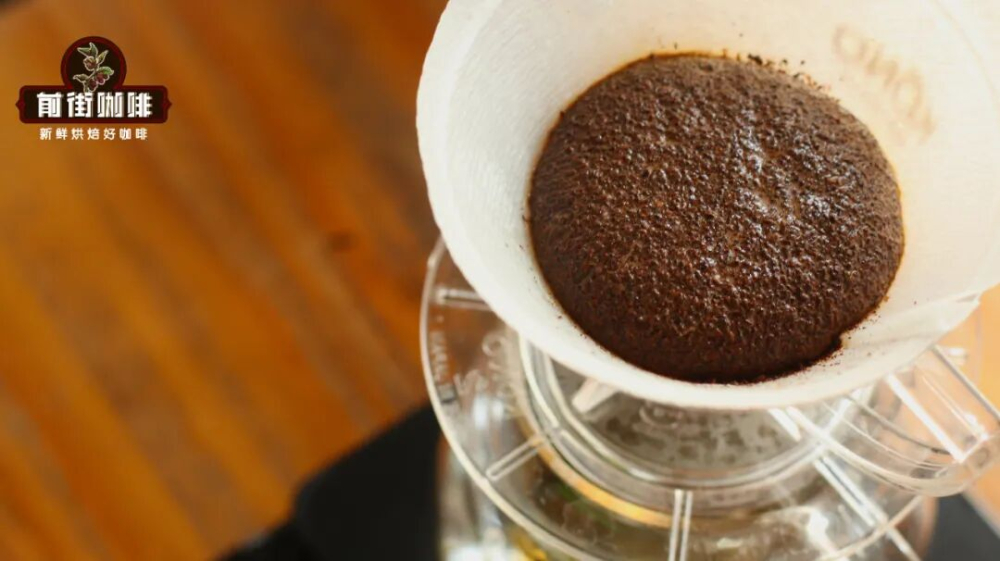
By the first day after grinding, although citrus and lemon peel aromas were still present, the overall floral notes had noticeably weakened, and subtle nutty and toffee tones began to emerge. The blooming bubbles were still abundant but not as full as on the day of grinding. In terms of flavor, sweet orange, grapefruit, and tea-like characteristics remained clear, with vibrant acidity and a distinct sweetness on the finish.
On the second day, the dry aroma further faded, and while citrus notes could still be detected, the overall fragrance trended toward monotony. Bubbling during blooming was no longer prominent, and foam formation decreased. The flavor was dominated by citrus and grapefruit acidity with slight sweetness, showing little change from the previous day in overall tone, but with a hint of caramel emerging on the palate, and the finish shifting to a green tea-like note.
By the third day, the dry aroma transitioned to a mix of honey, citrus, and nuts. Both blooming and extraction produced fewer bubbles, and the overall performance became increasingly subdued. The acidity of grapefruit and lemon was no longer pronounced, giving way to more noticeable caramel and nutty notes. The overall flavor profile leaned heavier, but it lost the freshness and layering characteristic of a light roast.

The comprehensive test results reveal that once coffee is ground, not only does carbon dioxide dissipate quickly, but aroma also diminishes steadily over time. Taking this light-roasted Yirgacheffe as an example, it transitions from the bright floral and fruity notes of the day it was ground to a heavier profile dominated by caramel and nuts. Even adjusting grind size or water temperature can hardly restore the original aromatic qualities.
Especially for medium-to-light roasted coffees favored for their floral and fruity profiles, many delicate volatile compounds are lost in large quantities within just a few hours of grinding. Therefore, if you truly seek the aroma and complexity of coffee, it’s advisable to invest in a quality grinder, opt for fresh grinding and brewing, and thus experience the most authentic and captivating side of coffee.
The above content is compiled by CoffeeHunters, a coffee news website.


