








Introduction:Want to easily brew uniquely flavored coffee at home but unsure whether to choose a moka pot or pour over? This article provides an in-depth analysis of the operating principles, step differences, and suitable beans for both methods, helping you select the most appropriate brewing style based on your needs. It not only introduces the history and structure of the moka pot, but also offers safety tips and grind size recommendations, along with several premium coffee bean suggestions ideal for moka pot use—equipping you with essential know-how from beginner to advanced levels.
For enjoying a rich cup of coffee at home, the moka pot is the go-to tool for many coffee enthusiasts. It is not only affordable and easy to operate, but also extracts a bold, espresso-like coffee rich in crema. However, compared to a professional espresso machine, there are clear differences in extraction pressure and grind fineness when using a moka pot. So, can the coffee it produces be called espresso? This article will thoroughly explain the working principle, usage process, and precautions of the moka pot, while comparing its operation with that of pour over, helping you better understand the characteristics of these two brewing methods.
For coffee lovers on a budget who don’t want to frequently visit cafés, brewing at home is the most cost-effective option. While espresso machines offer more precise extraction, their high price and space requirements often deter potential buyers. In contrast, the moka pot is not only budget-friendly—available for just a few hundred yuan—but also brews a strong and rich coffee liquor, making it a popular choice for beginners.

Many coffee aficionados consider the moka pot an affordable alternative to espresso. Although its extraction pressure is far lower than that of professional machines—typically around 1.5 bar, much less than the standard 9 bar required for true espresso—resulting in slightly less body and crema, its cost-effectiveness and convenience still make it a practical home brewing option.
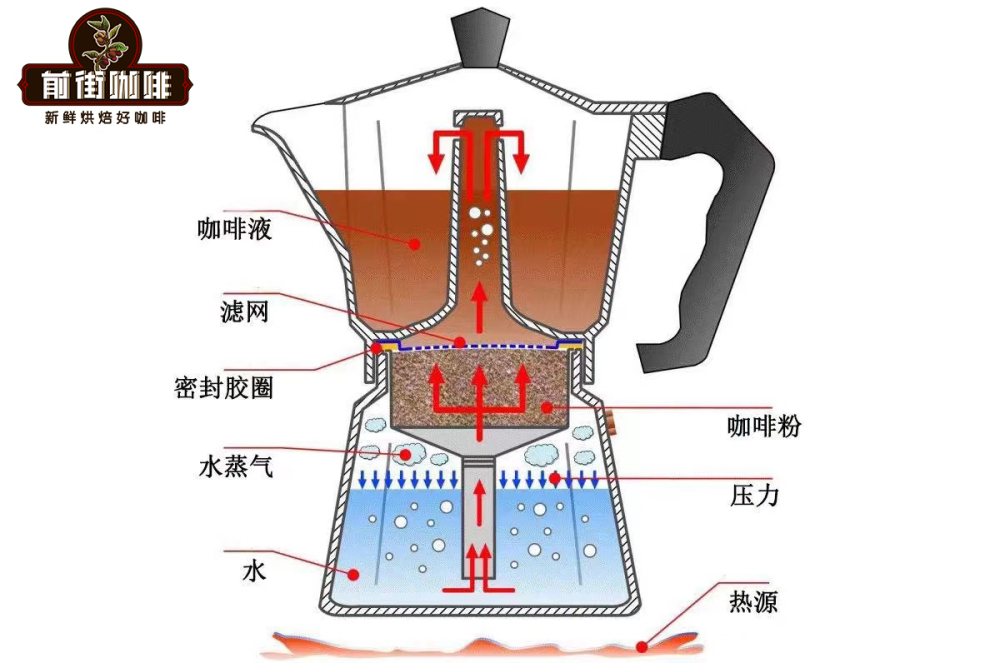
The history of the moka pot dates back to the 1930s, when it was invented by Italian aluminum craftsman Alfonso Bialetti, who had lived in France for many years. Inspired by his home washing machine, he designed the classic structure consisting of a lower chamber, a filter basket, and an upper chamber. The lower chamber holds water, the filter basket contains ground coffee, and a tube in the middle connects the two. When heated, steam pressure pushes hot water through the coffee grounds, ultimately producing a crema-rich espresso in the upper chamber.
Using a moka pot involves simple and clear steps: first, pour an appropriate amount of hot water into the lower chamber, ensuring the water level does not exceed about 0.5 cm below the safety valve. Then, fill the filter basket evenly with finely ground coffee (particle size approximately 0.3–0.55 mm), gently level it, assemble the upper chamber, and begin heating. Once you hear a distinct “wuu wuu” sound and coffee starts to flow, you should immediately turn off the heat to avoid over-extraction.
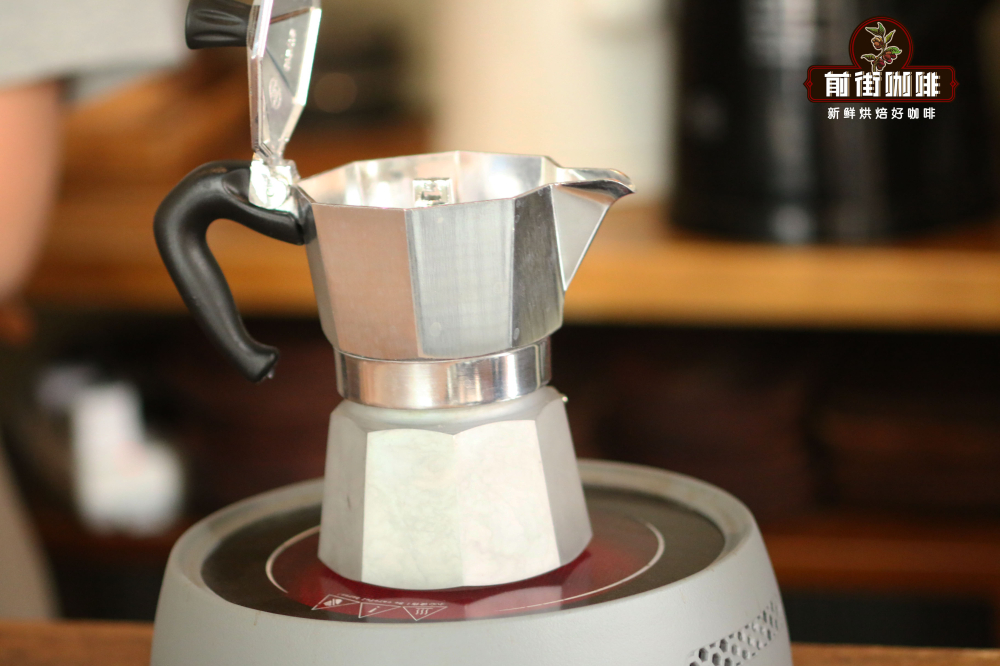
Special care should be taken when operating a moka pot, as the increased internal pressure may pose potential risks. If the coffee flows out too quickly, the grind may be too coarse; if no coffee flows out after prolonged heating, turn off the heat immediately and check. Additionally, it’s recommended to use coffee grounds specifically designed for moka pots or experiment multiple times to find the optimal grind size.
Many users purchase a moka pot hoping to produce espresso-like drinks without owning an espresso machine. To achieve a thick, smooth texture with rich crema and intense aroma, it is recommended to choose medium to dark roasted espresso blends or single-origin beans (SOE). Below are several premium coffee beans well-suited for moka pot use:
① A classic espresso blend, ideal for those seeking rich crema and a bold flavor profile;
② A medium to dark roasted PWN Golden Mandheling SOE, featuring unique spicy and mellow notes;
③ A cost-effective basic espresso blend, perfect for everyday drinking;
④ For those who dislike bitterness but love floral and fruity notes, try the strawberry sugar espresso blend.
So, can coffee made with a moka pot be considered espresso? Although its appearance and taste are similar, the significantly lower extraction pressure and larger holes in the metal filter result in less crema and a relatively thinner body. Therefore, it is better regarded as a specialty coffee with espresso-like characteristics, rather than true espresso in the strict sense.
The above content is compiled by CoffeeHunters, a coffee news website.


