







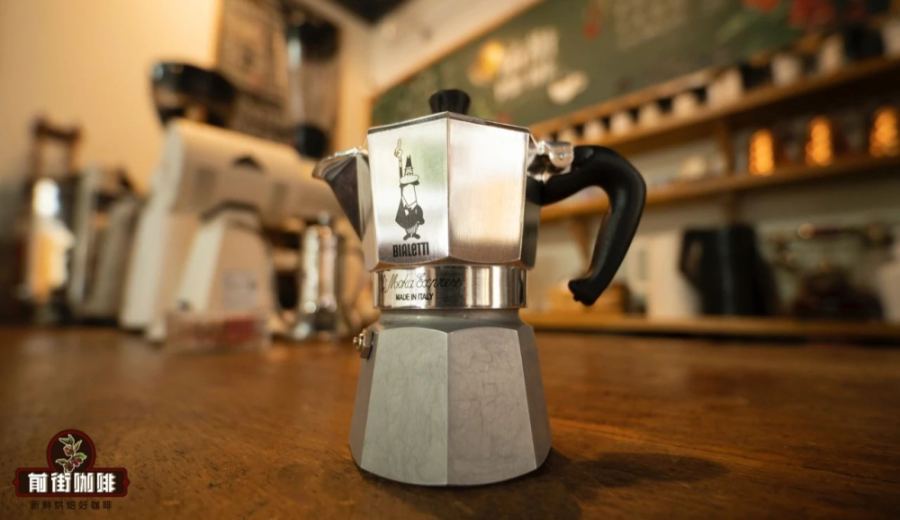
Introduction:The moka pot is a cost-effective choice for making rich coffee at home, but operational details often puzzle beginners. This article delves into the structure and principles of the Bialetti moka pot, key extraction parameters, reveals the true reason behind crema formation, and provides practical solutions for dealing with stuck pots after brewing—helping you master the correct usage of this classic device.
As an iconic representation of Italian coffee culture, the moka pot has become the go-to option for many households due to its simple operation and bold flavor. Compared to espresso machines, which require high budgets and take up space, the moka pot can produce a drink with espresso-like flavors at a much lower cost. However, there are still many noteworthy details regarding extraction parameters, coffee bean selection, crema presentation, and post-brewing opening issues. This article will focus on the working principle, extraction characteristics, grind size, suitable bean types, as well as the reasons and methods for dealing with hard-to-open moka pots, offering a practical operating guide.
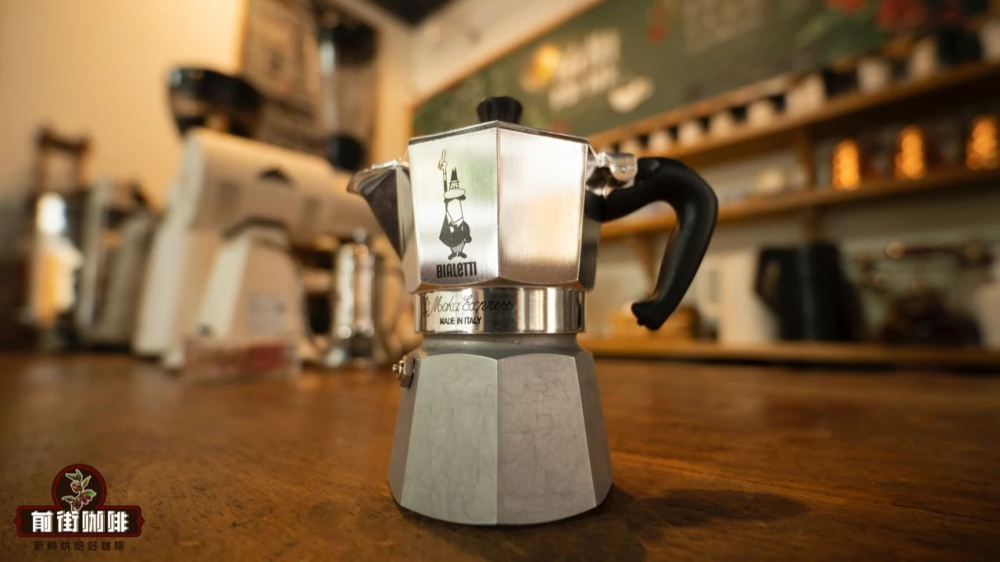
The moka pot is an emblematic tool of Italian coffee culture and one of the world’s most renowned coffee brewing devices. Its classic design, ease of use, and broad applicability have made it a favorite among many coffee enthusiasts. While not every household can afford an espresso machine, the moka pot allows you to brew rich-tasting coffee at home at a lower cost. One of its advantages lies in convenience—you can experiment with creating coffee featuring a crema layer without the need for expensive machinery.
The working principle of the Bialetti moka pot is quite straightforward. It has an octagonal shape, mainly made of aluminum metal, with a plastic handle for heat insulation. It is divided into three main parts: the lower chamber holds hot water, the middle metal filter holds the coffee grounds, and the upper chamber collects the brewed coffee. To use it, first fill the lower chamber with hot water, install the middle filter and add coffee grounds, then screw on the upper chamber, and finally place the entire setup on a heat source. When the water heats to boiling, the generated steam increases the pressure inside the lower chamber, driving the hot water through the coffee grounds in the middle layer and pushing it up through the central tube into the upper chamber, completing the extraction.
Many people wonder: is the coffee made with a moka pot the same as espresso? The answer is no. Although the coffee from a moka pot is similarly strong and may occasionally show a crema layer, its extraction pressure is significantly lower than that of modern espresso machines. A standard espresso machine operates at a minimum of 9 bar, while a moka pot only reaches about 1.5 bar. Therefore, both its concentration and the richness of the crema layer fall short of true espresso. It is more accurate to view the moka pot as an affordable alternative to an espresso machine.
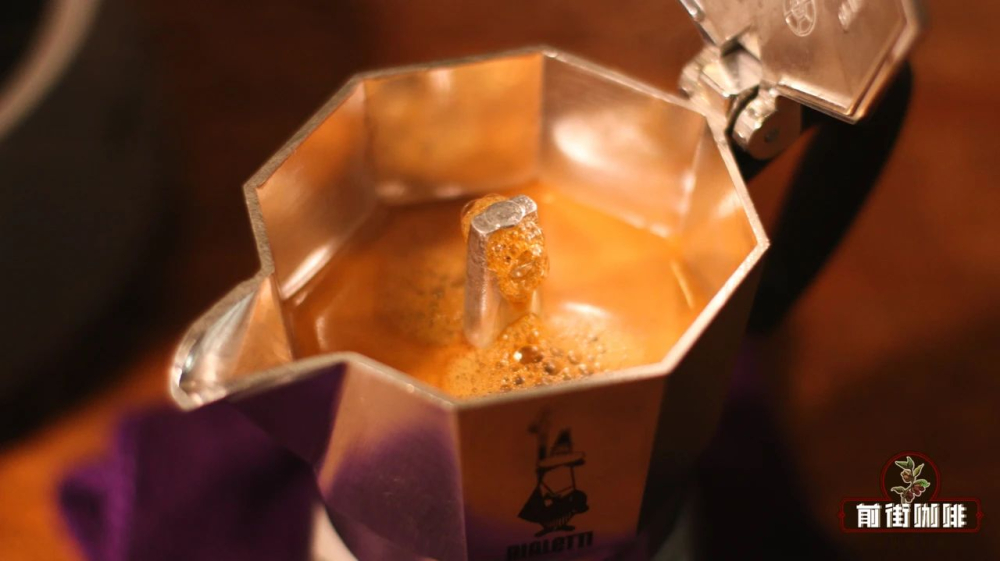
Although the extraction parameters of the moka pot are not as nuanced as those of pour over coffee, there are still some key elements to consider. Due to its reliance on high temperatures to generate steam pressure, water temperature and time are difficult to control precisely. Thus, the main variables users can adjust are the amount and coarseness of the coffee grounds. It’s recommended to choose a grind slightly coarser than espresso, referencing the gap size of the filter basket—just ensure the coffee doesn’t fall through into the lower chamber, appearing similar to fine salt in texture. As for the amount of coffee, simply fill the basket, gently tap, and level it to ensure even distribution.
As for suitable coffee bean types, because the coffee brewed with a moka pot is rich in flavor, medium to dark roasted beans are recommended to highlight body and smoky notes. If you prefer nutty profiles, medium to dark roasted Brazilian beans are a good choice; if you want to reduce acidity, medium to dark roasted Indonesian beans are also a solid option. It’s worth noting that the roast level and freshness of the coffee beans directly affect crema generation and overall flavor expression.
Why is crema often missing in coffee made with a moka pot? This is closely related to the roast freshness of the coffee beans. Over time after roasting, carbon dioxide in the beans gradually dissipates, and the crema is supported by these bubbles. If the beans are past their optimal freshness period, even using a moka pot makes it difficult to produce a noticeable crema layer. Therefore, selecting freshly roasted coffee beans is key to extracting delicate crema.
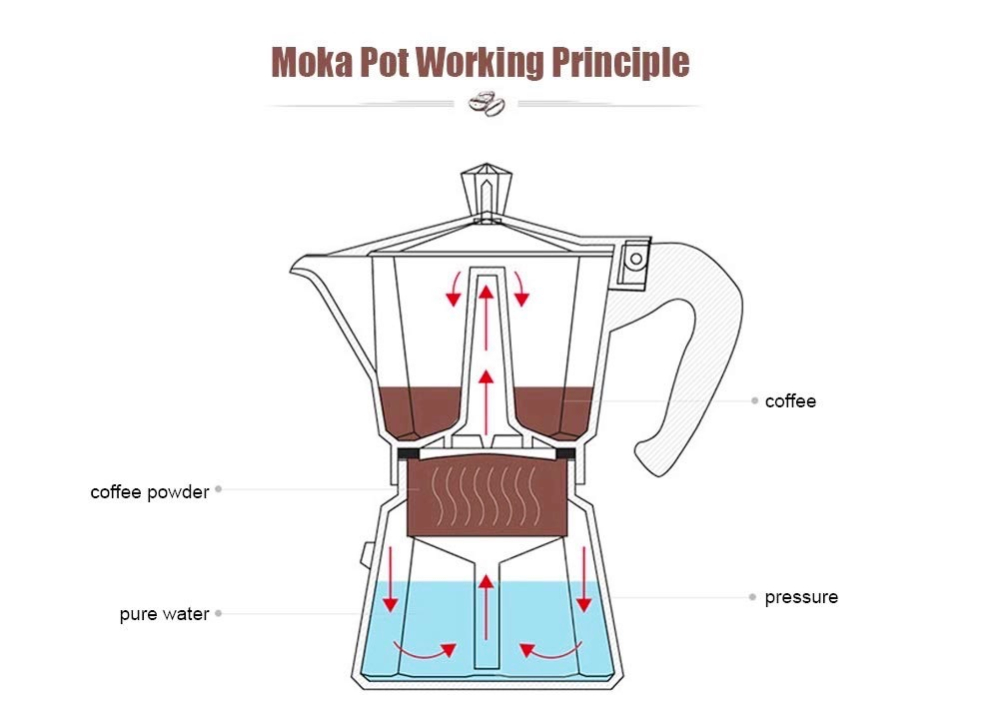
After using a moka pot, it’s common to encounter difficulty opening it. This happens because high heat causes pressure to build inside the lower chamber, creating a pressure differential between the inside and outside, which tightly seals the upper and lower chambers. Attempting to force them apart may damage the pot. The correct approach is to let the moka pot cool naturally until the internal pressure of the lower chamber is fully released, after which it can be easily unscrewed. If you’re in a hurry, you can soak the pot in cold water to speed up cooling, but avoid directly dousing the upper chamber to prevent glass breakage.
The above content is compiled by CoffeeHunters, a coffee news website.


