








Introduction:Ristretto is a type of espresso that many coffee enthusiasts encounter early on but often find confusing. As a variation of espresso, it delivers a distinctive flavor profile through a shorter extraction time and a smaller volume of liquid. This article delves into the definition of Ristretto, its relationship and differences with espresso, and explains in detail the two most mainstream brewing methods currently in use. It helps readers understand the underlying extraction logic and choose the most suitable technique based on their needs.
Among the wide variety of Italian-style coffees, many drinks such as the Flat White owe their rich and sweet taste to their base — Ristretto. This coffee, often translated as "extra strong" or "refined espresso," actually shares the same origin as the common espresso, but due to changes in the brewing method, it exhibits completely different flavor characteristics.
The term Ristretto originates from Italian, literally meaning "restricted," which perfectly reflects the restrictive strategy employed during its extraction. Specifically, it uses the same amount of coffee grounds and brewing time as espresso, but reduces the final yield of extracted liquid, preserving more of the early-stage essence while discarding the later-stage impurities and overly extracted bitter components.

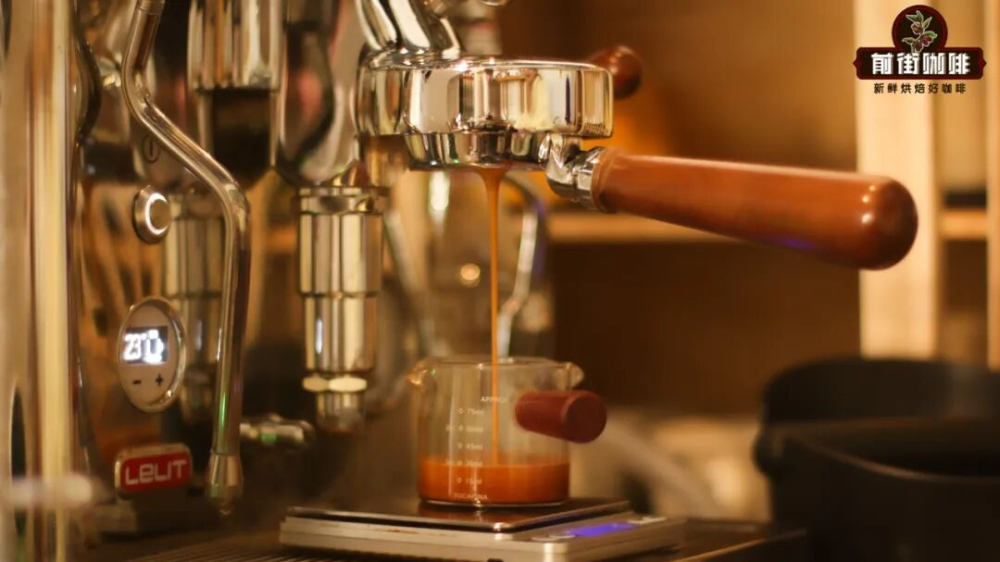
A typical espresso extraction usually involves 20 grams of coffee grounds and yields about 40 milliliters of concentrated liquid within 30 seconds. However, to make Ristretto, the yield is reduced to around 28 milliliters, capturing only the early-to-mid stage essence — roughly 70% of the total. This approach effectively reduces bitterness, while highlighting the acidic and sweet elements, resulting in a more balanced, rounded overall flavor with a noticeable sweetness.
It’s worth noting that Ristretto does not commonly exist as a standalone drink in most coffee offerings. Currently, it is mainly used in beverages like the Flat White, which emphasize delicate flavors and the integration of milk. This makes it an essential element that many baristas and enthusiasts cannot overlook when exploring the world of espresso.
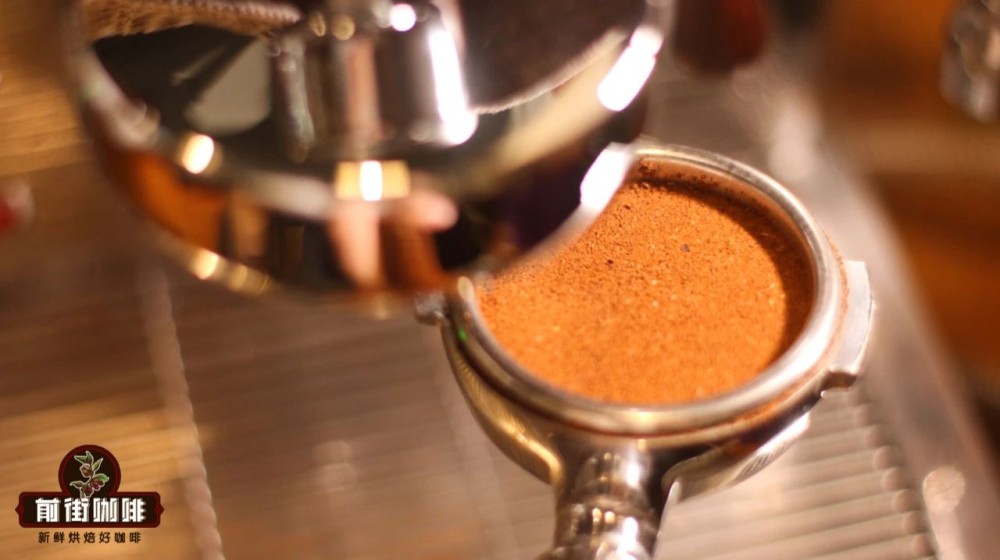
For selecting coffee beans for Ristretto, it is recommended to prioritize blends with good balance. For example, a two-region blend combining Colombia and Brazil can, under medium-dark roasting, showcase moderate sweetness, nutty notes, and soft acidity, delivering a rich yet unobtrusive flavor profile during the espresso process. For beginners looking to practice latte art at home, a three-region medium-dark roast blend with a small addition of Robusta can be chosen to enhance crema and aroma, helping to improve both the sense of achievement and visual appeal.
Currently, the mainstream methods for brewing Ristretto can be broadly divided into two categories: directly adjusting the liquid yield, or modifying the overall extraction performance by controlling grind size and flow rate.
The first method is the most common and intuitive: using the same brewing time (e.g., 30 seconds) and coffee dose (e.g., 20 grams) as standard espresso, but extracting only about 28 milliliters of liquid — essentially taking only the early-stage essence and discarding the later-stage liquid that might release excess impurities and over-extracted bitter flavors. The advantage of this method is that it significantly reduces the proportion of bitterness while enhancing sweetness and acidity. It is also relatively simple to execute, requiring no adjustments to the grinder settings, making it more user-friendly for both home and café environments.
Some shops or baristas further adjust the coffee-to-water ratio, such as reducing it to 1:1, or extracting only two-thirds of the total yield. These variations can be flexibly adjusted according to actual taste preferences, with the key being to understand the essence of "restricting the liquid yield" rather than adhering strictly to a single numerical value.

The second method focuses on grind size and flow rate. By grinding the coffee finer, the water takes longer to pass through, achieving a higher concentration and fuller body within the same brewing time. Taking the same example of 20 grams of coffee and 30-second extraction, if the grind is adjusted to slow the flow rate, the same 28 milliliters is extracted. This approach typically results in a Ristretto with a richer, more intense flavor and a more concentrated flavor profile. Sometimes, it may even be mistaken for another distinct type of espresso.
However, this method also has its drawbacks, such as the need for more precise grind adjustments, and the increased operational complexity and time cost when frequently switching between fine and coarse grinds on the same grinder. For shops that need to offer multiple types of espresso drinks, without adding extra grinders, it becomes difficult to maintain stable output for both Ristretto and regular espresso. Therefore, most commercial settings still prefer the first, simpler and more cost-effective brewing strategy.
In summary, as the concentrated essence of espresso, Ristretto, with its unique extraction logic and flavor presentation, has become an important base for many specialty coffee drinks. Whether opting for the straightforward method of limiting liquid yield or deepening the espresso character through grind and flow adjustments, one can find the most suitable approach based on actual needs and conditions. Understanding these principles and details will help coffee enthusiasts and professionals make more accurate judgments and choices in their exploration of the espresso world.
The above content is compiled by CoffeeHunters, a coffee news website.


