







Introduction:Many coffee beginners believe that freshly roasted beans are the freshest, but that’s not actually the case. This article delves into the necessity of resting coffee beans after roasting, analyzes how different roast levels affect the optimal drinking window, and provides expert advice to help you grasp the best brewing timing. By understanding the bean bag degassing process and flavor transformation, you’ll no longer miss the golden period to enjoy your coffee.
In today’s era of increasingly popular specialty coffee, many enthusiasts hold the belief that "the fresher, the better," even going so far as to start brewing their coffee right after it’s roasted. But from a professional perspective, this approach might actually cause you to miss the coffee’s peak flavor performance. Let’s explore the evolution of the coffee industry to understand why freshly roasted beans need a “resting period.”
Looking back at the coffee market before 2008, domestic self-roasting businesses were not yet common, and consumers mainly relied on imported coffee beans. Visiting the coffee section in large supermarkets, you’d often find products from well-known brands such as illy and Lavazza, but if you looked closely at the production dates on the packaging, they were often two to three months post-manufacture, some even over half a year. Although these products were labeled with a shelf life of up to one year and often used nitrogen flushing or vacuum packaging technologies, long-distance transportation and extended storage could still impact flavor performance.
With the rise of the domestic specialty coffee culture, small-scale roasting workshops have sprung up like mushrooms after rain. These local roasters are able to provide fresher coffee beans, causing consumers to start paying attention to the relationship between roast date and flavor. Especially when you choose light to medium roasted beans, the impact of the resting period becomes more noticeable.
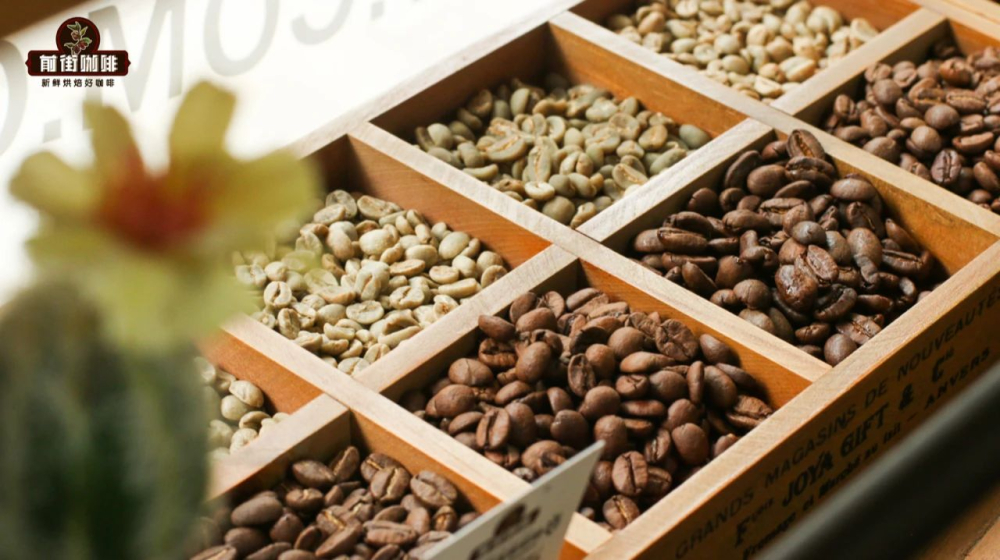
Freshly roasted coffee beans are actually in an “unstable” state. The large amount of carbon dioxide produced during the roasting process continues to be released from inside the beans, and this degassing process typically lasts anywhere from 3 to 14 days. If you use the beans during this stage, it can not only affect the extraction flow rate of the coffee, but also result in incomplete flavor expression due to the interference of residual carbon dioxide. It is generally recommended that medium roasted beans rest for 5–7 days, while dark roasted beans require 7–10 days of resting time.
The changes during the resting period mainly occur on two levels: physical gas release and chemical flavor substance transformation. The former is what you observe as the one-way valve on the bean bag continuously releasing gas; the latter involves the balancing adjustment of acidity, sweetness, and body. For example, Ethiopian Yirgacheffe will see its bright citrus notes gradually transform into rounder fruit flavors after resting for three days.
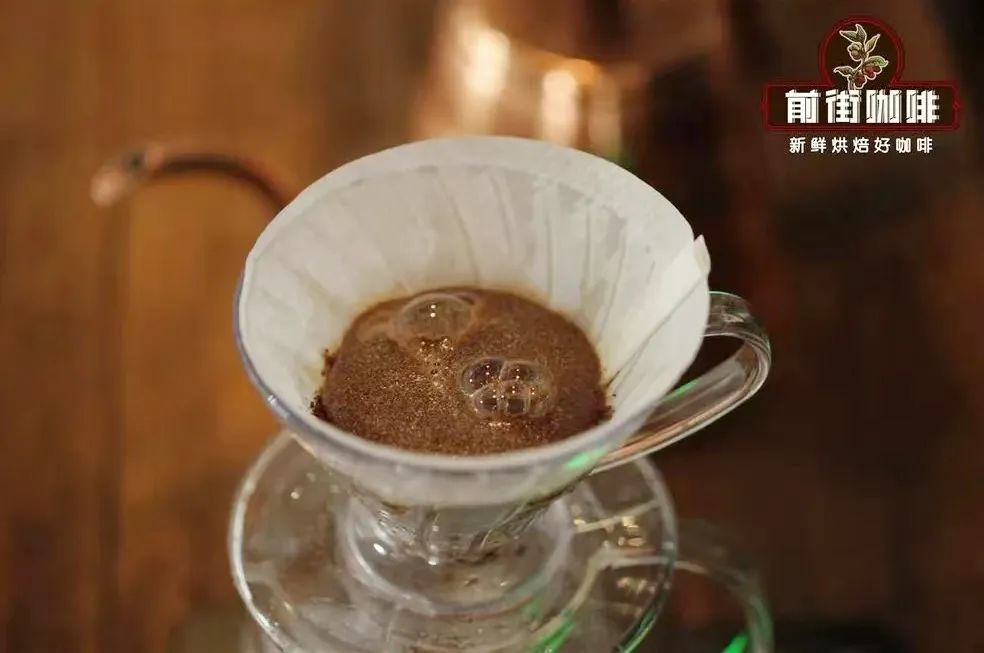
How can you tell when coffee beans have entered their optimal drinking period? It’s recommended to observe the following indicators: First, a noticeable reduction in the amount of gas released from the one-way valve, indicating that carbon dioxide release has stabilized; second, the crema during brewing becomes more even and long-lasting; and third—and most importantly—your actual tasting experience reveals a more balanced ratio of acidity, sweetness, and bitterness. For everyday brewing, the 8–21 day period after roasting is usually the golden flavor window for most coffee beans.
Professional advice: When purchasing coffee beans, prioritize products that clearly indicate the roast date, and plan usage according to the roast level. Light roasted beans can be extended to 3–4 weeks, while dark roasted beans are best used within 2–3 weeks. Store the beans with the bag sealed, avoiding direct sunlight and high temperature environments, but there’s no need to refrigerate them—temperature fluctuations can actually accelerate flavor loss.
The above content is compiled by CoffeeHunters, a coffee news website.


