







Introduction:Want to understand the unique charm of Jamaican Blue Mountain coffee and brew a richly balanced classic flavor at home using pour over? This article delves into the origin background, legal grades, bean variety characteristics, and washed processing method of Blue Mountain coffee, guiding you to grasp the flavor profile of this top-tier coffee — intense nutty notes paired with a subtly sweet chocolate finish, bitter without being harsh, and balanced in acidity and sweetness. It also provides practical deep roast pour over parameters and filter recommendations, teaching you how to bring out the layered complexity of Blue Mountain coffee using the correct technique.
Many coffee enthusiasts, after purchasing Jamaican Blue Mountain coffee beans, often wonder: how can they use pour over to showcase its exceptional flavors? This article will analyze everything from origin to brewing step-by-step, helping you understand the allure of this premium coffee.
These Blue Mountain coffee beans come from the Clifton Estate, managed by the Sharp family, who have been operating it for over two hundred years. The estate is located in the parish of Saint Andrew, Jamaica, covering a total area of 250 acres, of which 180 acres are dedicated to coffee cultivation, at an average altitude of 4,300 feet (approximately 1,310.64 meters). This elevation imparts rich flavor depth and complexity to the coffee. Coupled with the moderate shading provided by afternoon mountain mist, ample sunlight, and fertile, mineral-rich soil, it results in the consistently excellent quality of Blue Mountain coffee.
It’s important to note that not all coffee produced in Jamaica can be called Blue Mountain coffee. According to the strict regulations set by the Jamaica Coffee Industry Board (CIB), only coffee beans grown at altitudes above 910 meters (approximately 3,000 feet) in the Blue Mountains qualify to be labeled as “Blue Mountain coffee.” The entire Blue Mountain coffee-growing region spans about 18,000 hectares, of which only around 6,000 hectares meet these standards, with the rest classified as high mountain coffee or regular Jamaican coffee. The Clifton Estate is situated within the legally designated region where the Blue Mountain name can be used.
Additionally, Blue Mountain coffee is divided into three grades based on bean size, appearance, and defect rate: Grade 1, Grade 2, and Peaberry. Among these, Grade 1 is the highest grade, selected under stringent criteria, using only large beans between 17 and 18 mesh sizes that are full-bodied, uniformly shaped, and have minimal defects.
In terms of processing, Jamaican Blue Mountain coffee continues a tradition of over two hundred years by using the washed process. This method effectively removes the pulp and impurities, reduces off-flavors, and delivers a clean and bright cup profile, which is one of the key reasons why Blue Mountain coffee maintains its high quality over time.
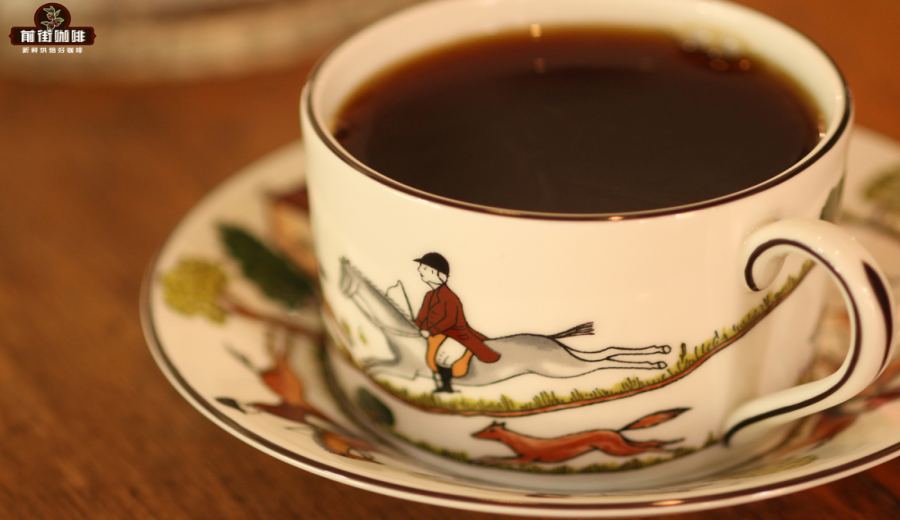
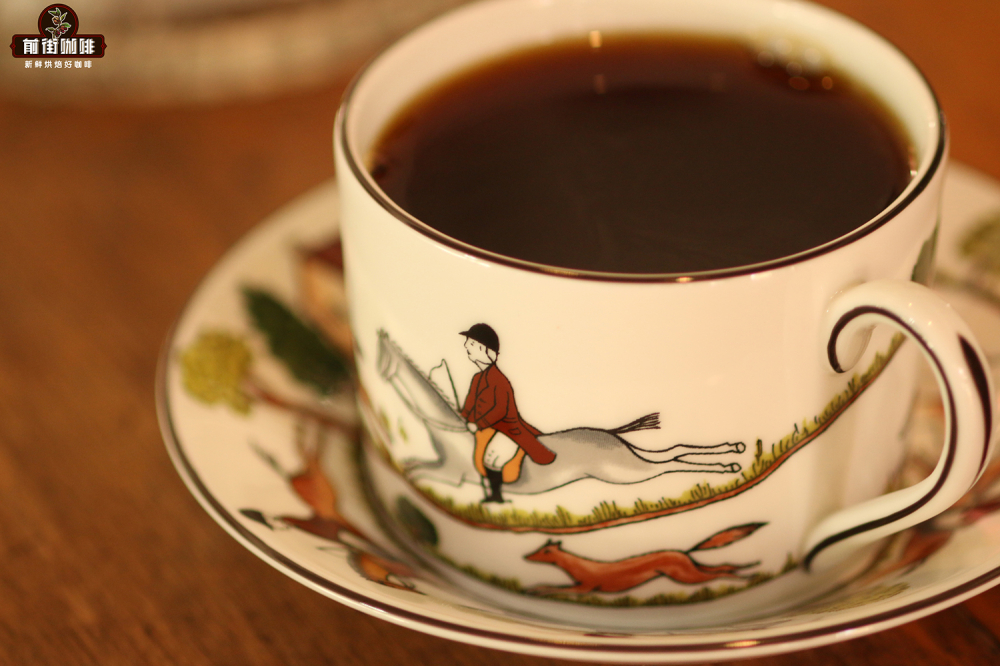
In terms of flavor, this deep roasted Blue Mountain coffee offers a rich and robust body, accompanied by distinct nutty and chocolate notes. Although it leans toward a more bitter profile, the bitterness is mild and not burnt, achieving a delicate balance with acidity and sweetness. It has a smooth and comfortable mouthfeel with a long-lasting finish. To enhance these characteristics, a medium-dark to dark roast curve was used during roasting, refined through repeated adjustments to highlight sweetness and body.
For actual pour over brewing, the Kono filter cone is recommended due to its unique structure, which helps extend contact time between water and coffee grounds, extracting a richer body and mouthfeel — ideal for dark roast beans. If a Kono cone isn’t available, the V60 is also a good alternative, capable of producing a clearer and more nuanced layering.
Mastering the correct pour over technique for Blue Mountain coffee not only restores its classic balanced flavor but also allows you to experience the unique charm of this world-class coffee. From origin to brewing, every step reflects a commitment to quality and an interpretation of flavor.
The above content is compiled by CoffeeHunters, a coffee news website.


