







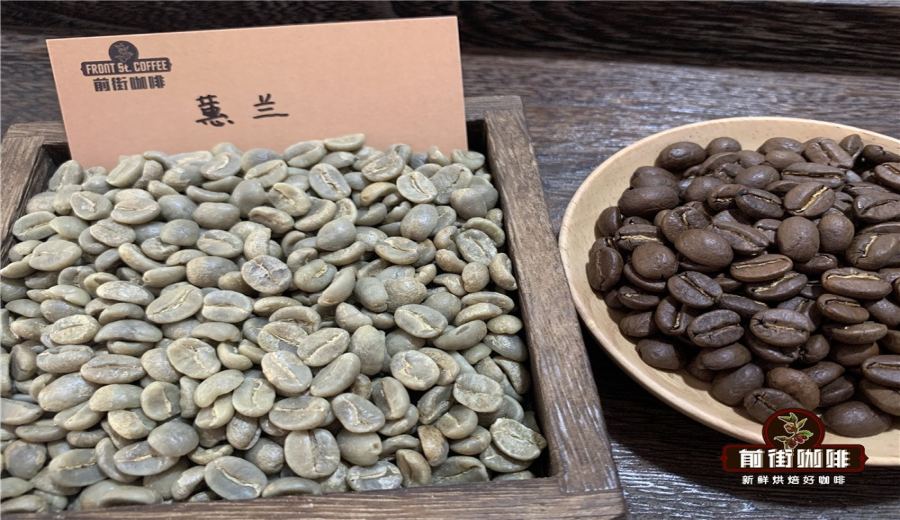
Introduction:Colombia is a world-renowned high-quality Arabica coffee-producing region, where coffee beans are generally larger in size, which is inseparable from the local geographical environment and strict grading system. This article will delve into how Colombian coffee beans are graded according to bean size, including the sieve standards of common grades such as Supremo, EP, and UGQ, and explain the meaning of the unified Excelso grade at the time of export. It will also introduce the important role of FNC in the industry, as well as the brewing parameters and flavor profile of a practical everyday bean.
Thanks to its unique geographical and climatic conditions, Colombia has long been one of the world’s top producers of premium Arabica coffee. Compared to other regions such as Ethiopia, Costa Rica, or Brazil, Colombian coffee beans often appear larger in size, which is not accidental but a direct reflection of its scientific grading system. Understanding this grading system not only helps assess the quality potential of the beans, but also enables consumers to make more informed choices.
The grading of Colombian coffee is primarily based on the size of green beans, usually using sieves with fixed apertures. The higher the “mesh” number of the sieve, the larger the volume of coffee beans that can pass through it. For example, a 17-mesh sieve only allows coffee beans smaller than that size to pass through, so the beans left on the sieve are generally larger. By combining different mesh sizes, Colombian authorities categorize coffee beans into multiple grades to precisely reflect their physical characteristics and estimated flavor performance.
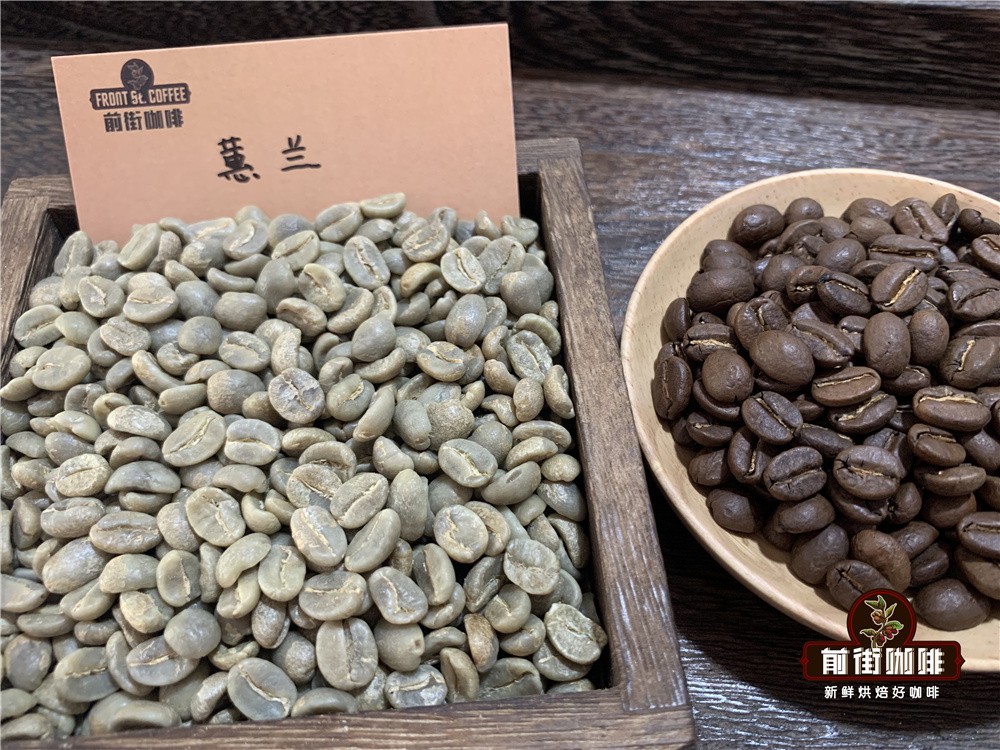
Common grading levels include UGQ, EP, and Supremo. It is worth noting that no matter which original mesh grade the coffee beans belong to, they are all uniformly classified as Excelso at the time of export. This means that the vast majority of Colombian export green coffee packages seen in the market today will be labeled with the word “Excelso,” serving as certification that they meet export specifications.
The so-called UGQ, short for Usual Good Quality, or “general good quality,” is a common specification within the Excelso grade. Its screening standard is: at least 50% of the coffee beans must be larger than 15 mesh, and the overall bean size must be above 14 mesh, allowing up to 1.5% of beans between 12 and 14 mesh, though still larger than 12 mesh. EP (European Preparation) requires most beans to be larger than 15 mesh, allowing only up to 10% smaller than 15 mesh, but still larger than 14 mesh. As for Supremo, which is a higher-grade specification, it requires at least 95% of the beans to be larger than 17 mesh, allowing only up to 5% smaller than 17 mesh, but again not below 14 mesh.
In addition, the Colombian grading system includes other subdivisions, such as those over 16 mesh being called Extra, those over 18 mesh being called Premium, and those with nearly all beans around 15 mesh possibly being classified as Minama grade. These detailed gradings not only help buyers understand the consistency in bean size, but can also indirectly infer the growth altitude, processing refinement, and potential flavor performance. To facilitate traceability and management, each batch of coffee beans is registered by the origin farmers and entered into an information system, enabling full traceability from origin to export.
Colombia’s ability to maintain high coffee quality and stable output is thanks in no small part to a key organization—FNC (Federación Nacional de Cafeteros, the Colombian Coffee Growers Federation). Established in 1927, the FNC is a non-profit institution dedicated to safeguarding the rights of coffee farmers and improving overall industry standards. From variety selection and cultivation techniques, to harvest timing, green bean processing, and quality control, the FNC provides comprehensive education and technical support. More importantly, the FNC insists on purchasing green beans from farmers at the highest daily market price, ensuring farmers’ income and thereby maintaining both the enthusiasm for production and the stability of coffee quality. Its promotion of the “Juan Valdez” brand identity has also become a representative symbol of Colombian coffee in the global market.

Taking an actual everyday bean on the market as an example, such as a medium-dark roasted bean from the Huila region, its flavor typically exhibits notes of nuts, dark chocolate, and caramel, with a soft acidity, a rich mouthfeel, and distinct layers. For brewing this type of bean, it is recommended to use a KONO filter, with water temperature at 90°C, grind size controlled to approximately 75% passing through a 20-mesh sieve, a coffee-to-water ratio set at 1:15, total coffee dosage about 15 grams, and a three-stage pouring method. First, pre-infuse with a small amount of hot water for 30 seconds to activate the aroma release of the coffee grounds, then perform separate infusions at 125 grams and 225 grams with a slow and steady stream, keeping the total brew time around 2 minutes, which helps balance extraction yield and avoid over-extraction or off-flavors.
In summary, the grading of Colombian coffee beans is not just a technical classification based on particle size, but also a comprehensive evaluation of overall quality, processing standards, and market positioning. By understanding this system, consumers can more accurately choose coffee products that match their taste preferences and needs, while also gaining a deeper appreciation for the craftsmanship and natural gifts behind every cup of Colombian coffee.
The above content is compiled by CoffeeHunters, a coffee news website.


