







Introduction:Want to understand the Geisha variety that has captivated coffee lovers worldwide, and the story behind its rise from Ethiopia to its legendary status in Panama? This article delves into the unique flavors of Geisha, explores the key terroir and processing methods that shape it, and introduces some high-value blended beans based on Geisha—letting you experience the citrusy honey-like notes and tea-like charm of this “Hermès of coffee” without breaking the bank.
Geisha, the variety that has fascinated countless coffee enthusiasts, originally comes from the virgin forests of Ethiopia. After years of cultivation and varietal evolution, it eventually made its way to Central and South America, where it truly shined in Panama. With its distinctive white floral aroma, bright citrus notes, and tea-like smooth texture, it completely changed many people’s preconceived notion that coffee is only bitter. This article will start with the historical background of Geisha, take you through how it rose to prominence in Panama, and deeply analyze the multiple factors that create its classic “Geisha flavor”—including varietal characteristics, growing environment, and roasting techniques. Additionally, we’ll recommend several high-value blended beans with Geisha as the main component, allowing consumers who appreciate premium flavors but don’t want to pay high prices to easily experience the charm of this star coffee.
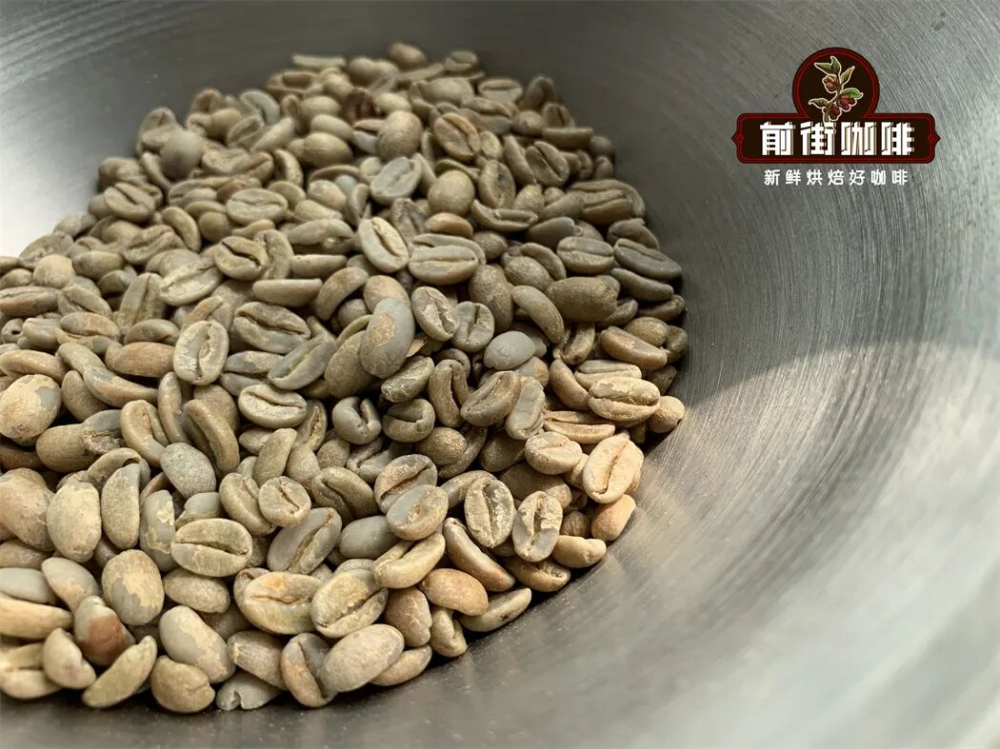
As a highly regarded coffee variety, Geisha can be traced back to its origins in the birthplace of coffee—Ethiopia. Over time, the variety gradually spread to other coffee-growing regions and ultimately found the most suitable environment for its potential in Panama. One of Geisha’s most notable features is its slender green bean appearance; after proper roasting, the roasted beans emit rich fruity aromas paired with distinct white floral notes and a subtle sweet potato-like sweetness. This unique aromatic combination amazed the world when it was first introduced.
Panama’s unique high altitude and microclimate provide nearly perfect growing conditions for Geisha. Among them, Hacienda La Esmeralda planted these already tall-statured coffee trees in higher-altitude areas, and through strict cultivation and post-harvest management, successfully produced top-tier coffee with clear floral notes, bright citrus acidity, and dense honey-like sweetness. This achievement not only earned Geisha the top spot in the Best of Panama competition but also firmly established its status as the “top-tier coffee in the coffee world.”
Today, Geisha has become a shining star in the high-end specialty coffee market, often dubbed as “luxury coffee” or the “Hermès of coffee.” Especially in many specialty coffee shops, Panamanian Geisha is often the most expensive item on the menu, hence it’s affectionately nicknamed “Expensive Xia (Summer)” by netizens. So, what exactly makes Geisha so pricey?
In fact, the price of Panamanian Geisha wasn’t always so astronomical. As it won numerous awards in major competitions, more and more consumers were drawn to its unique flavors. Coupled with limited production, scarcity of high-grade beans, and the boost from auction mechanisms, Geisha gradually became a high-priced commodity in the market. For many coffee enthusiasts, enjoying Geisha daily has almost become a dream goal known as “Geisha freedom.”
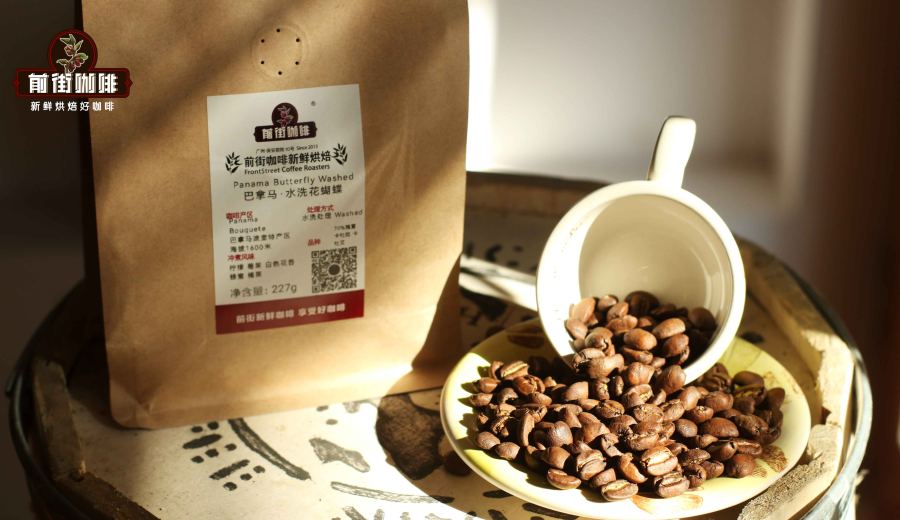
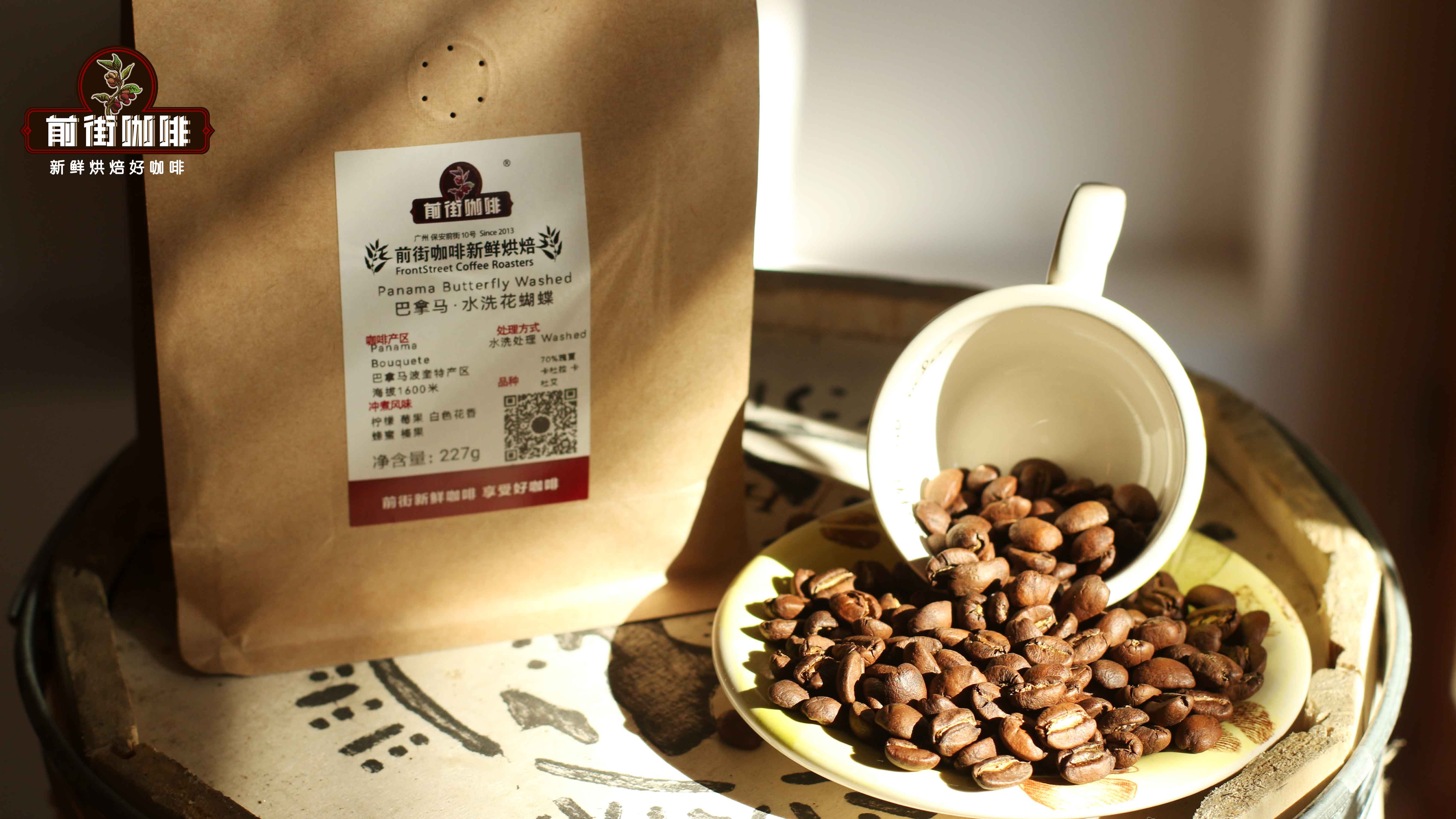
To allow more people to experience the charm of Geisha at a reasonable price, some green bean suppliers have introduced blended options with Geisha as the main component. For example, blends that use 70% Geisha mixed with 30% Caturra or Catuai allow consumers to enjoy the captivating orangey acidity, honey-like sweetness, and elegant floral notes similar to Panamanian Geisha at a more affordable price. These blended beans not only offer excellent value for money but are also a great entry point into the world of Geisha.
So, what’s the key reason Geisha tastes so different from regular coffee? Most people’s first impression of coffee usually comes from medium to dark roasts, which highlight nutty, chocolatey, and caramel flavors—often emphasizing richness and a balance of bitterness and sweetness. But Geisha completely breaks out of this mold. It showcases fresh, complex floral and fruity aromas, along with a delicate tea-like mouthfeel, completely overturning the traditional perception that “coffee is bitter.” Take the renowned estate’s Green Label Geisha, for example—when brewed, it emits clear aromas of coffee blossom, cream, lemon, and grapefruit. As the temperature drops, the flavors reveal clear layers of citrus, peach, honey, and melon, with a finish that carries the soft aftertaste of green tea and caramel.
The unique floral character of Geisha actually stems from the interplay of multiple factors, including varietal genetics, growing altitude, harvest ripeness, post-harvest processing methods, and most crucially, roasting techniques. Research indicates that high-quality Panamanian Geisha typically contains abundant terpene compounds such as linalool, terpinolene, and limonene. These volatile substances transform during roasting into captivating aromatic components, further enhancing the expression of floral and fruity notes.
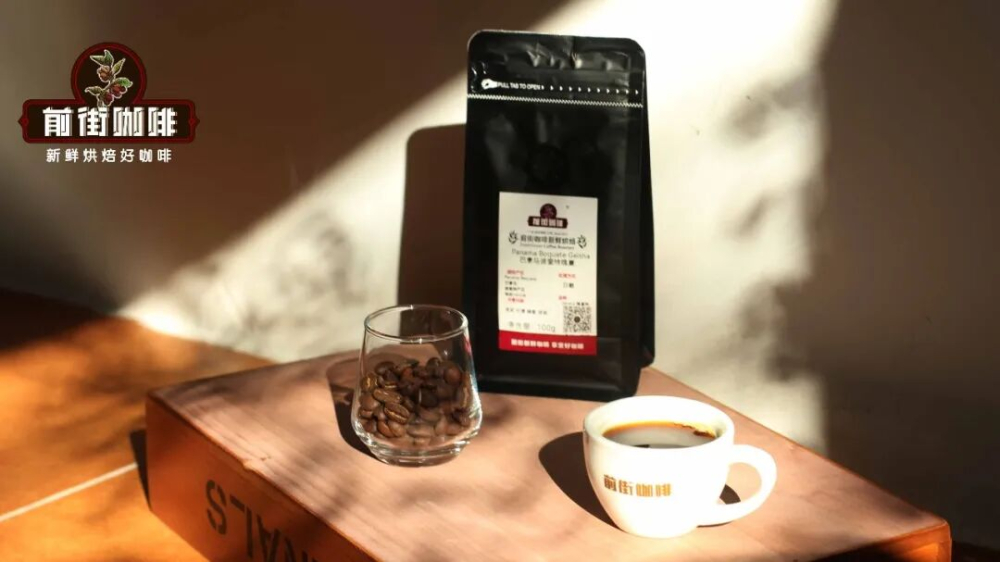
When it comes to roasting, most Geisha beans on the market are roasted to a light to medium level. Light roasting helps preserve more of the original flavors and acidity, while medium roasting retains the floral and fruity notes while adding a touch of body. For coffee lovers who prefer pour over, it is recommended to use medium-light roasted Geisha with water temperatures of 90–93°C, employing fine grind size and step brewing methods to better bring out its delicate floral, fruity, and tea-like characteristics.
The above content is compiled by CoffeeHunters, a coffee news website.


